Chinese cuisine isn’t a monolith — it’s a continent’s worth of flavors, techniques, and traditions packed into one country. From the fiery woks of Sichuan to the delicate dim sum carts of Guangdong, the hand-pulled noodles of Lanzhou to the imperial kitchens of Beijing, China’s food culture is arguably the world’s richest and most diverse. Here are 10 essential Chinese dishes that every visitor should experience at least once — and where to find the best versions of each.
1. Peking Duck — Beijing
The undisputed king of Chinese cuisine, Peking Duck is a dish of imperial pedigree dating to the Yuan Dynasty (13th century). The process is an art: the duck is inflated with air to separate skin from fat, coated in maltose syrup, and roasted in a wood-fired oven until the skin turns mahogany-brown and crackling-crisp. It’s carved tableside and served with paper-thin pancakes, spring onions, cucumber strips, and sweet bean sauce. Where: Siji Minfu (¥120/person) for quality-to-price perfection. Da Dong (¥250+) for the high-end, leaner version. Skip Quanjude — it’s been coasting on its name for decades. Insider tip: Dip the crispy skin in sugar — a Beijing secret that tastes like the world’s most luxurious bacon.
2. Mapo Tofu — Sichuan
Don’t let the humble ingredients fool you. Mapo Tofu — silky cubes of tofu shimmering in a crimson sauce of doubanjiang (fermented broad bean paste), minced beef, Sichuan peppercorns, and chili oil — delivers one of the most complex flavor experiences in Chinese cooking. The Sichuan peppercorns create a tingling, numbing sensation called málà that dances on your tongue for minutes. Where: Chen Mapo Tofu in Chengdu, the restaurant that invented the dish in 1862. Cost: ¥25-40.
3. Xiaolongbao — Shanghai & Jiangnan
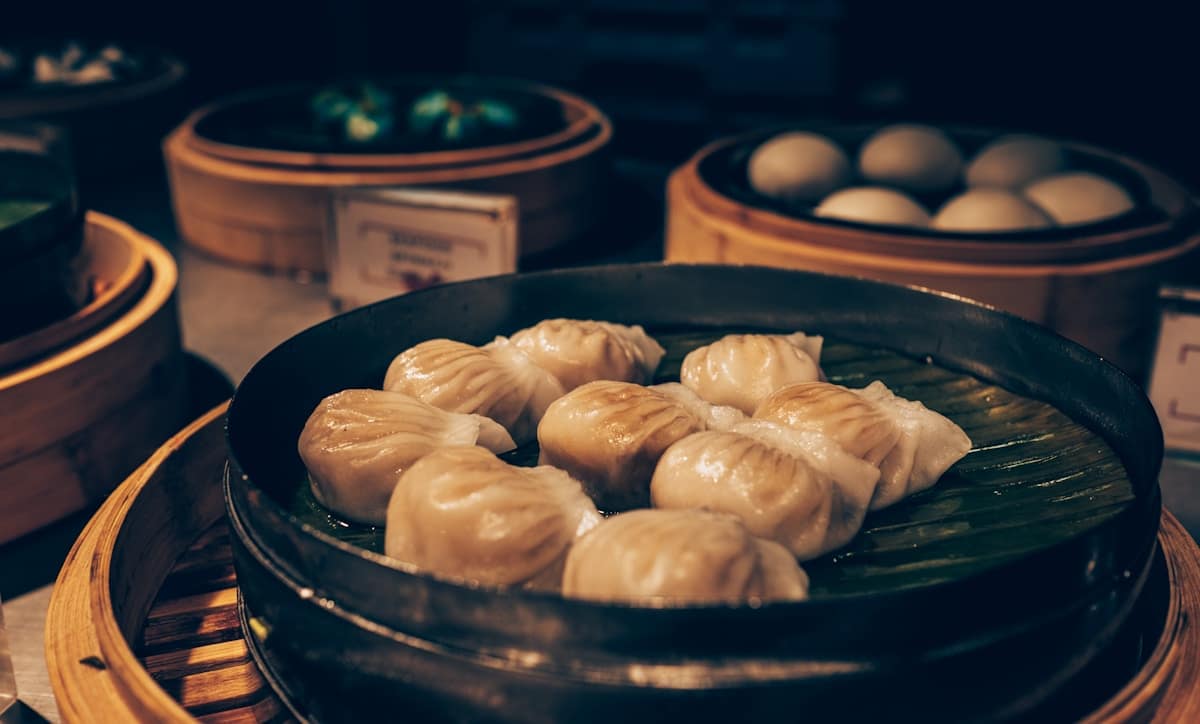
Shanghai’s soup dumplings are architectural marvels — translucent wheat-starch skins pleated with 18 precise folds, encasing seasoned minced pork and a cube of aspic that melts into hot, savory broth during steaming. The technique: place one on your spoon, bite a tiny hole, slurp the soup carefully, then eat with a dip of black vinegar and julienned ginger. Where: Jia Jia Tang Bao (¥25/steamer) for the local favorite, or Din Tai Fung (¥60+) for reliably excellent quality with an English menu.
4. Chongqing Hotpot — Chongqing
Hotpot is not just a meal — it’s a social ritual. A cauldron of bubbling, chili-laden beef tallow broth sits in the center of the table, and you cook your own ingredients: paper-thin beef slices, tripe, tofu skin, lotus root, shrimp paste, and dozens more. Chongqing’s version is fiercer than Chengdu’s, with a pure beef-tallow base and face-melting heat. The numbing spice builds with every bite until your lips tingle and you’re simultaneously suffering and reaching for more. Where: Nanshan hotpot cluster on South Mountain, or Xiaolongkan in the city center. Cost: ¥80-120/person.
5. Kung Pao Chicken — Sichuan
Forget the gloopy Western takeout version. Real Kung Pao Chicken is a revelation — a perfect balance of sour, sweet, and savory, with cubes of chicken, crunchy peanuts, and dried chilies flash-fried in a searing wok. The dish was created by Ding Baozhen, a Qing Dynasty governor whose official title was Gong Bao (Palace Guardian) — hence the name. Cost: ¥35-55 at any reputable Sichuan restaurant.
6. Lanzhou Lamian — Gansu
You’ve seen this dish everywhere in China — the hand-pulled noodles (lamian) are stretched and folded by hand until they become impossibly thin strands, then boiled and served in a clear, aromatic beef broth with slices of braised beef, radish, cilantro, and chili oil. It’s the working-class lunch across China, and when done right, it’s transcendent. Where: Any shop with "Lanzhou Lamian" in the name and a Hui Muslim chef pulling noodles in the window. Cost: ¥15-25.
7. Char Siu — Guangdong
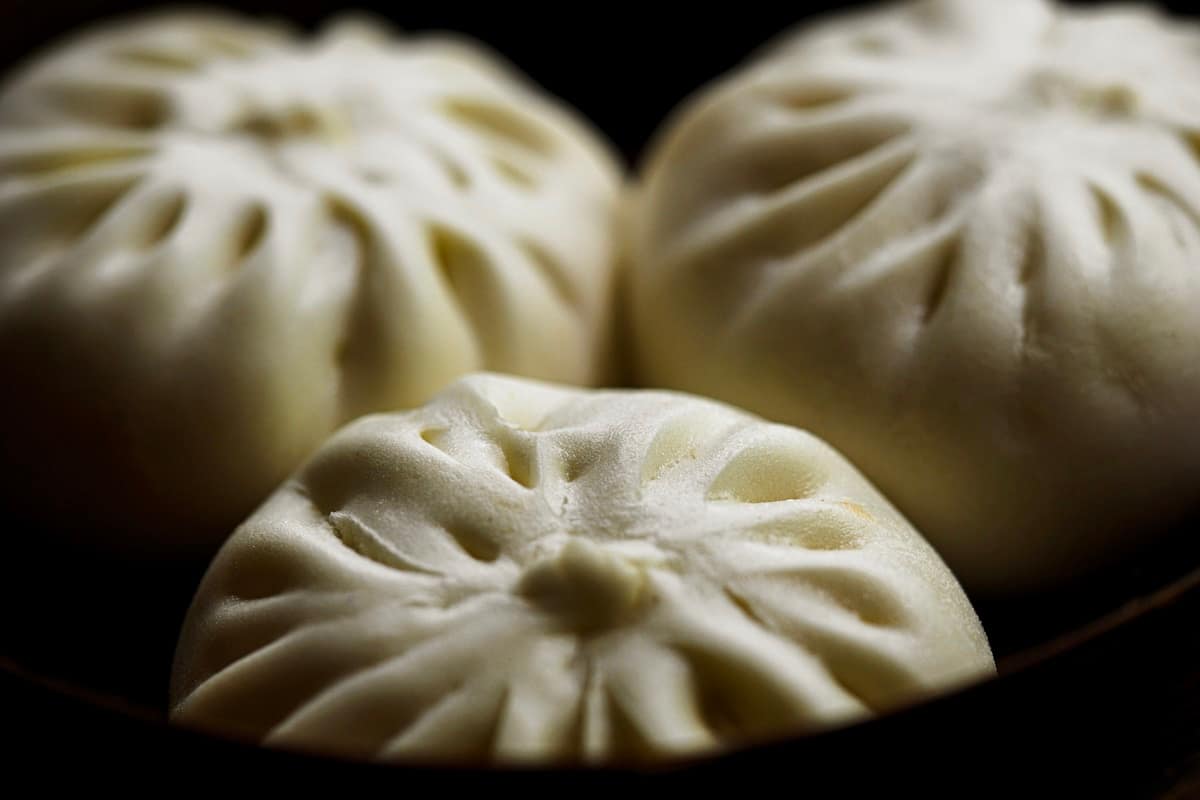
Cantonese barbecue pork is a study in simplicity and perfection. Pork shoulder is marinated in a mixture of honey, five-spice powder, soy sauce, and fermented red bean curd, then roasted until the exterior caramelizes into a sticky, sweet, slightly charred crust while the interior stays tender and juicy. The best char siu is ordered by pointing at the glistening strips hanging in a shop window — the ones with a slight char on the edges. Where: Any Cantonese siu mei (roast meat) shop. A portion with rice costs ¥25-40.
8. Dim Sum — Guangdong & Hong Kong
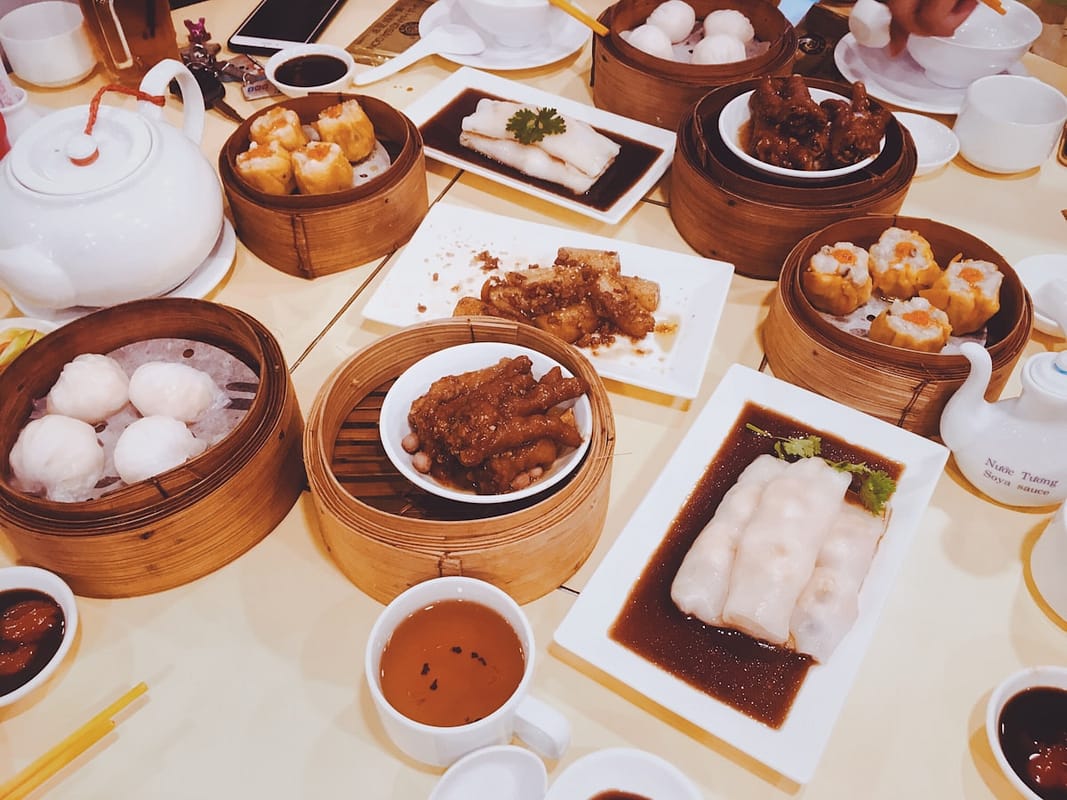
Dim sum isn’t a single dish but an entire culinary culture — a tradition of small, exquisite plates designed for sharing over tea with family and friends. The classics: har gow (shrimp dumplings with translucent wrappers), siu mai (open-topped pork and shrimp dumplings), char siu bao (fluffy steamed buns filled with barbecue pork), cheung fun (silky rice noodle rolls), and feng zhua (braised chicken feet in black bean sauce — don’t knock it until you’ve tried it). Where: A proper dim sum restaurant on a weekend morning, when the carts roll by and you point at whatever looks good. Budget ¥60-120/person.
9. Dongpo Pork — Hangzhou
Named after the Song Dynasty poet Su Dongpo, this dish is indulgence distilled: thick cubes of pork belly braised for hours in soy sauce, Shaoxing wine, rock sugar, and aromatics until the fat becomes translucent and the meat surrenders to a pair of chopsticks. It’s rich, sweet-savory, and melts in your mouth. Where: Lou Wai Lou restaurant on West Lake in Hangzhou, which has been serving it since 1848. Cost: ¥60-80.
10. Jianbing — Nationwide Street Breakfast
No dish better represents everyday Chinese food culture than jianbing — the savory crepe made fresh at street corners every morning across China. A batter of mung bean and wheat flour is spread thin on a hot griddle, topped with an egg, sprinkled with scallions and cilantro, smeared with chili and hoisin sauces, and folded around a crispy fried cracker (baocui). It’s handed to you in a paper wrapper, hot in your hands, and costs about ¥6-10. The best jianbing comes from the cart with the longest queue of locals on their way to work. Every city has great jianbing — follow the crowd.
How to Eat Your Way Through China
- Follow the locals: The restaurant with a queue of Chinese diners is always the right choice. Don’t trust empty restaurants near tourist attractions.
- Order family-style: Chinese dining is communal. Order several dishes to share, with rice on the side — never one dish per person.
- Regional rules: China’s eight major cuisines are wildly different. Sichuan is spicy-numbing, Cantonese is subtle and fresh, Shandong is savory and salty, Jiangsu-Zhejiang is sweet and delicate. Don’t judge all Chinese food by your local takeout.
- Budget reality: The best Chinese food is rarely the most expensive. A ¥15 bowl of noodles often beats a ¥300 hotel banquet.
- Get guidance: For city-specific food recommendations, explore our Food & Dining section and Xi’an Food Guide for detailed regional guides.