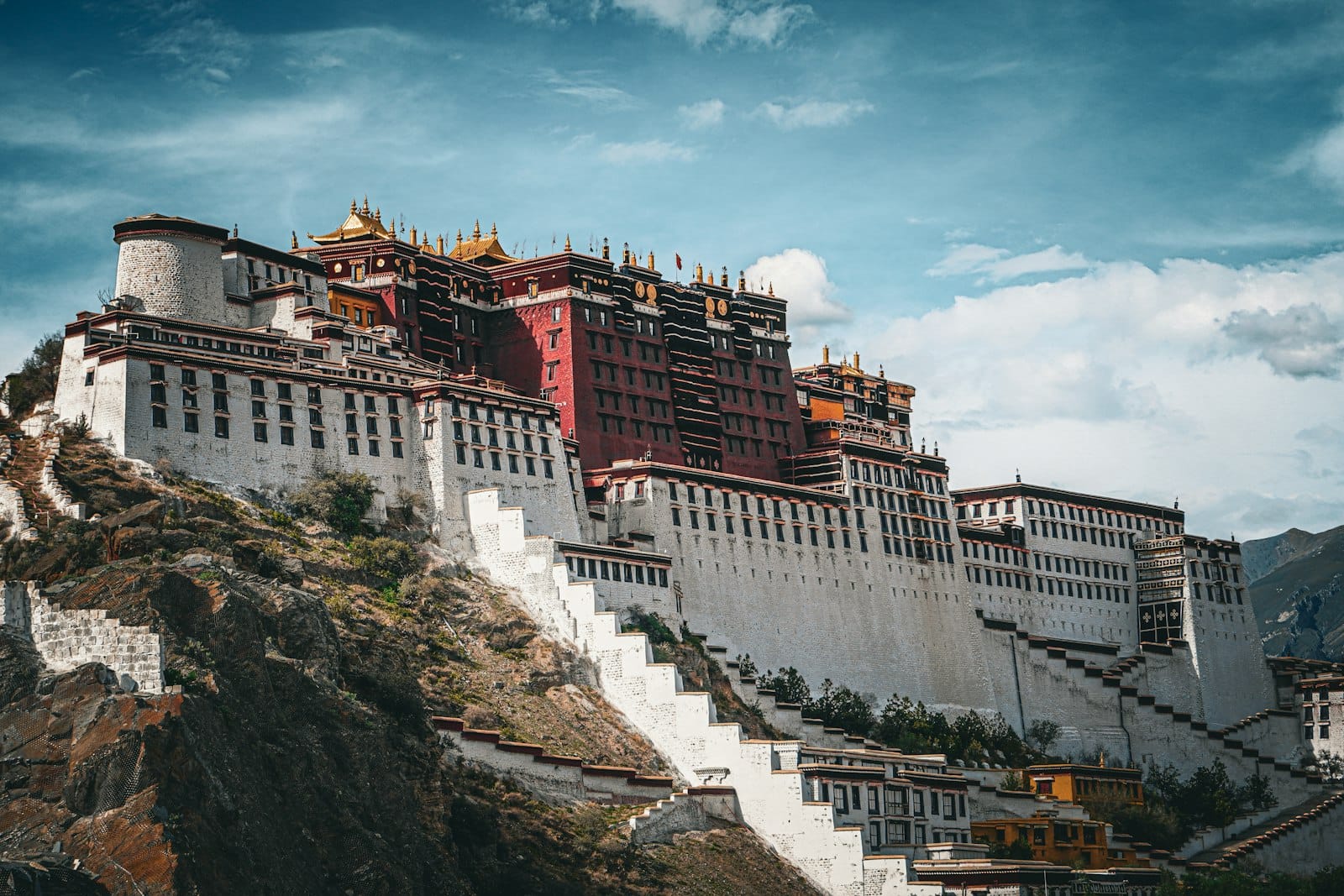
Here is the single most important fact about going to Tibet in 2026: you cannot apply for the permits yourself. There is no government website, no embassy form, no walk-in office. The only legal way for a foreign passport holder to enter the Tibet Autonomous Region (TAR) is through a Chinese travel agency that holds a special TAR-issued license — and even then, you are buying a guided tour, not just a piece of paper. If a website tells you that you can apply directly for the Tibet Travel Permit, close the tab.
This guide walks through what the permit actually is in 2026, the extra permits you will probably need on top of it, the timeline and money you should expect, and the months when the door to Tibet is bolted shut to foreigners regardless of what your agent promises.
What the Tibet Travel Permit Actually Is (and What It Is Not)
The Tibet Travel Permit, often abbreviated TTP and sometimes called the Tibet Entry Permit, is a paper document issued by the Tibet Tourism Bureau (TTB). It lists your name, passport number, the cities you can visit, your itinerary dates, and your travel agency. It is not a visa. You still need a valid Chinese tourist visa (L visa) in your passport before the TTB will issue your permit — visa-free entry policies do not apply to Tibet.
You will be asked to show the TTP at three choke points: at the airline check-in counter for flights to Lhasa, at the gate when boarding the Tibet train, and at any hotel inside the TAR when you check in. Lose it and you are getting on the next flight out. In my experience, the safest play is to keep the original in a passport sleeve, a photo on your phone, and a third copy with your guide.
What the TTP covers — and what it does not
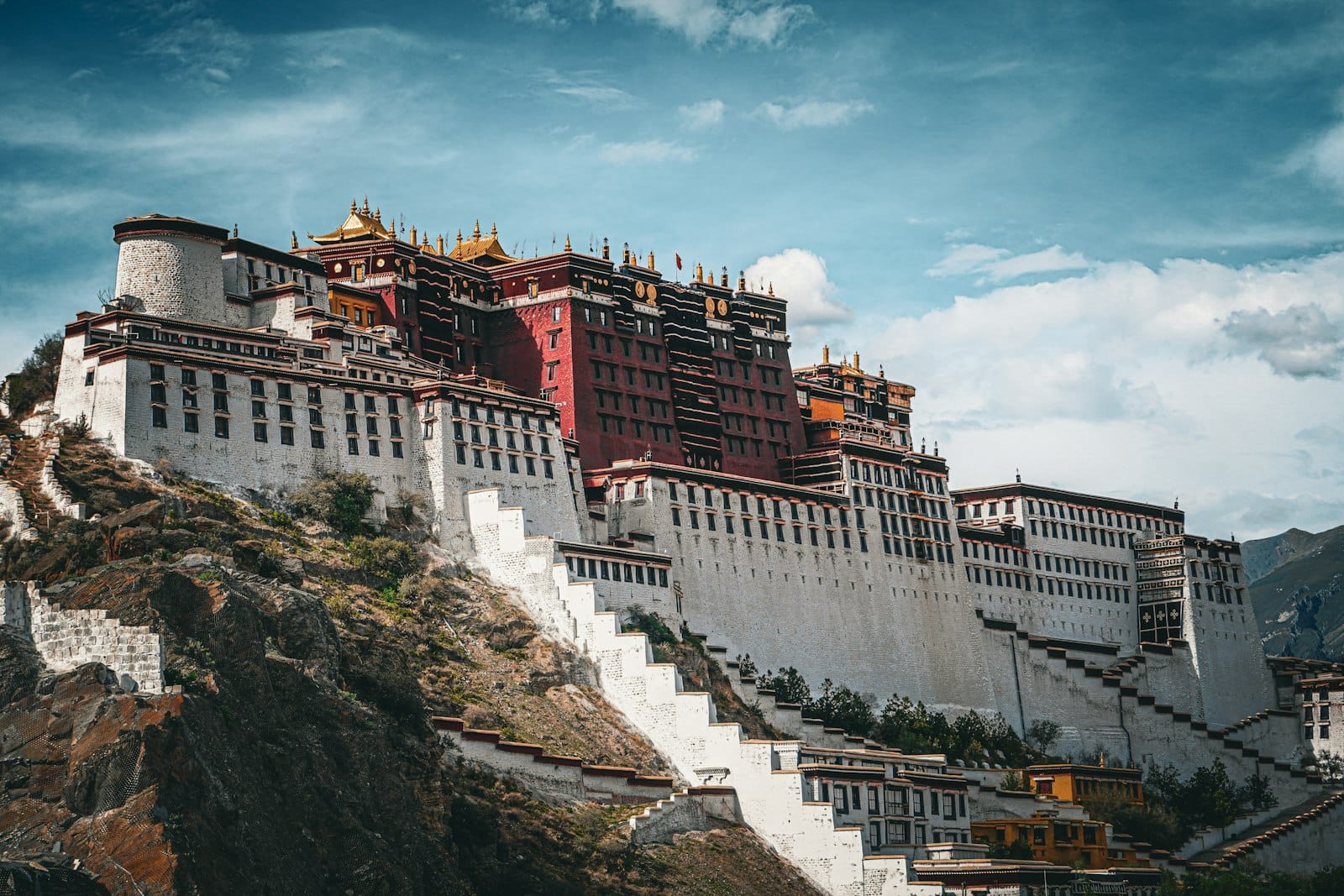
The standard TTP only gets you into Lhasa and the central tourist sites (Potala Palace, Jokhang Temple, Drepung and Sera monasteries, Yamdrok Lake on a day trip). The moment you want to leave the Lhasa area for the western or southern parts of Tibet — Everest Base Camp, Mount Kailash, Namtso Lake in some seasons — you need additional permits stacked on top.
The Other Permits Nobody Mentions Until You Have Already Paid
This is where most first-time Tibet planners get blindsided. The TTP is the entry ticket; everything beyond Lhasa needs paperwork that your agency processes separately, often only after you arrive. Each one adds days and yuan.
- Alien’s Travel Permit (ATP): Required for prefectures outside Lhasa — Shigatse (route to Everest), Gyantse, Lhoka. Issued by the Public Security Bureau in Lhasa within 1–2 working days after arrival. About 100 yuan, bundled into your tour fee.
- Military Permit: Required for Mount Kailash, Ngari, and most border-adjacent regions in western Tibet. Takes 7–10 working days to process — your agency needs your passport scan well before departure. 100–300 yuan.
- Foreign Affairs Permit: Required for the Chinese side of Everest Base Camp, Zhangmu border area, and Nyingchi’s eastern frontier. Bundled with the Military Permit timeline.
- Frontier Pass (Bian Fang Zheng): Required for anywhere within 50 km of an international border — Nepal overland, Everest North Face, Kailash. Sometimes obtainable from your local PSB in your home Chinese city before flying to Lhasa.
The honest answer is that you do not need to memorize which permit goes where. A competent agency will tell you exactly which ones your itinerary triggers and price them in. What you do need to know is that any itinerary beyond Lhasa requires at least two permits, and a Kailash trip can need five. Be suspicious of any quote that does not itemize them.
The Timeline: Start at Least 25 Days Out, Not 15
Most agencies and older guides quote a 15–20 day processing window. That is technically accurate for the TTP itself, but it ignores everything that has to happen first. Here is the realistic 2026 timeline working backward from your Lhasa flight.
Step-by-step, in the order it actually happens
- Day -45 to -30: Get your Chinese L visa sorted. The TTB will not start your TTP application until they have a clean scan of your passport with the visa inside. Visa-free entry policies do not apply to Tibet.
- Day -30 to -25: Lock in your agency, pay the 30–50% deposit, and send scans of your passport, visa, and occupation details. Journalists, diplomats, and government employees face extra scrutiny — some agencies simply will not file the application.
- Day -25 to -10: The agency submits to the TTB in Lhasa. Standard processing is 10–15 working days, longer around Spring Festival and National Day.
- Day -7 to -3: The original paper TTP is couriered to your hotel in mainland China (Chengdu, Xining, or Beijing). If you are flying straight from overseas into Lhasa, courier to your home address — international shipping has been hit-or-miss in 2025–2026.
- Day 0: Meet your guide at Lhasa airport or train station. The guide takes your TTP for the duration of the trip — this is normal and required, not a scam.
The takeaway: start the process at least 25 days before your intended Lhasa arrival, ideally 30. The 15-day number you see online is the floor, not the ceiling.
What It Costs (and Where the Real Money Goes)
The permit itself is cheap. The mandatory tour wrapped around it is not.
TTP processing fee: Roughly 300–400 yuan (about $42–55 USD as of early 2026), almost always included in your tour quote without itemization. Extra permits add another 100–500 yuan total depending on route.
The mandatory guided tour (the real cost): Foreigners cannot move around Tibet independently. You must have a licensed guide with you at all times outside your hotel, plus a registered driver and a private vehicle for trips beyond Lhasa. A bare-bones 4-day Lhasa-only group tour starts around $450–600 USD per person in shoulder season. A 7-day Lhasa-to-Everest Base Camp itinerary runs $900–1,400 USD. Mount Kailash kora trips are $1,800–2,800 USD and need 12–15 days.
Group tours (4–15 people) cut costs by 30–50% versus private tours. The trade-off is fixed departure dates and the social roulette of strangers in a Land Cruiser for a week. For most travelers the math works: book a small group tour through a reputable agency and treat the price as the cost of legal entry plus all logistics handled.
What inflates the price
Solo travelers pay a brutal single supplement because the guide-and-driver overhead does not scale down. Hunt for “join-in” groups that combine multiple solo bookings — most reputable Lhasa agencies maintain a shared roster. The other invisible cost is altitude: Lhasa sits at 3,656 meters, and roughly 1 in 4 first-time visitors gets hit hard enough by acute mountain sickness (AMS) to lose a day. Build a no-activities buffer day at the start of your itinerary and consider a Diamox prescription from your home doctor.
Documents You Will Actually Need to Send
Every legitimate operator will ask for the same core set. Have these ready before first contact and the process moves twice as fast.
- Scan of your passport photo page, valid at least 6 months past your planned exit from China.
- Scan of your Chinese L visa (or 144-hour transit permit stamp). Visa-free entry is not accepted for Tibet — a common point of confusion given how much China visa policy has expanded elsewhere. For background on which visa to apply for, see our China visa guide for 2026.
- Occupation declaration: A simple line of text — “teacher,” “software engineer,” “retired.” Do not list “journalist,” “photographer,” “writer,” or “NGO worker” unless you are willing to be denied. The TTB filter for media-related professions is binary.
- Itinerary preferences: Dates, cities, and any specific sites you want to hit. The exact route gets printed on your permit.
- Flight or train booking into Lhasa (sometimes): Some agencies book this for you; others want proof you have it before they file.
When Tibet Is Closed to Foreigners (and When You Should Actually Go)
Tibet has a closed season for foreign tourists almost every year, and the dates are political rather than meteorological. Late February through late March is the lockdown window. The TTB stops issuing new permits roughly two weeks before Tibetan New Year (Losar — in 2026 it falls on February 18) and reopens applications around March 20–April 1. In sensitive years the closure has stretched to late April. Watch agency newsletters in January and February; reputable operators are the first to know when permits resume.
Is May or October better for Tibet?
The honest answer is May, narrowly. The summer monsoon (late June through August) brings clouds that hide Everest most days at Base Camp, and Sichuan–Tibet overland roads turn into mud and landslide territory. October is dry and clear but cold, the autumn crowds from mainland China peak around National Day (October 1–7), and permits get harder to secure in late September because of pre-holiday volume.
The window I would book for summer 2026 planning: mid-May to mid-June, or mid-September after Mid-Autumn Festival. Both give the clearest mountain views and the thinnest crowds. For broader seasonal trade-offs across China, our best time to visit China guide covers the regional variation.
How to Actually Get to Lhasa: Plane, Chengdu Train, or Xining Train
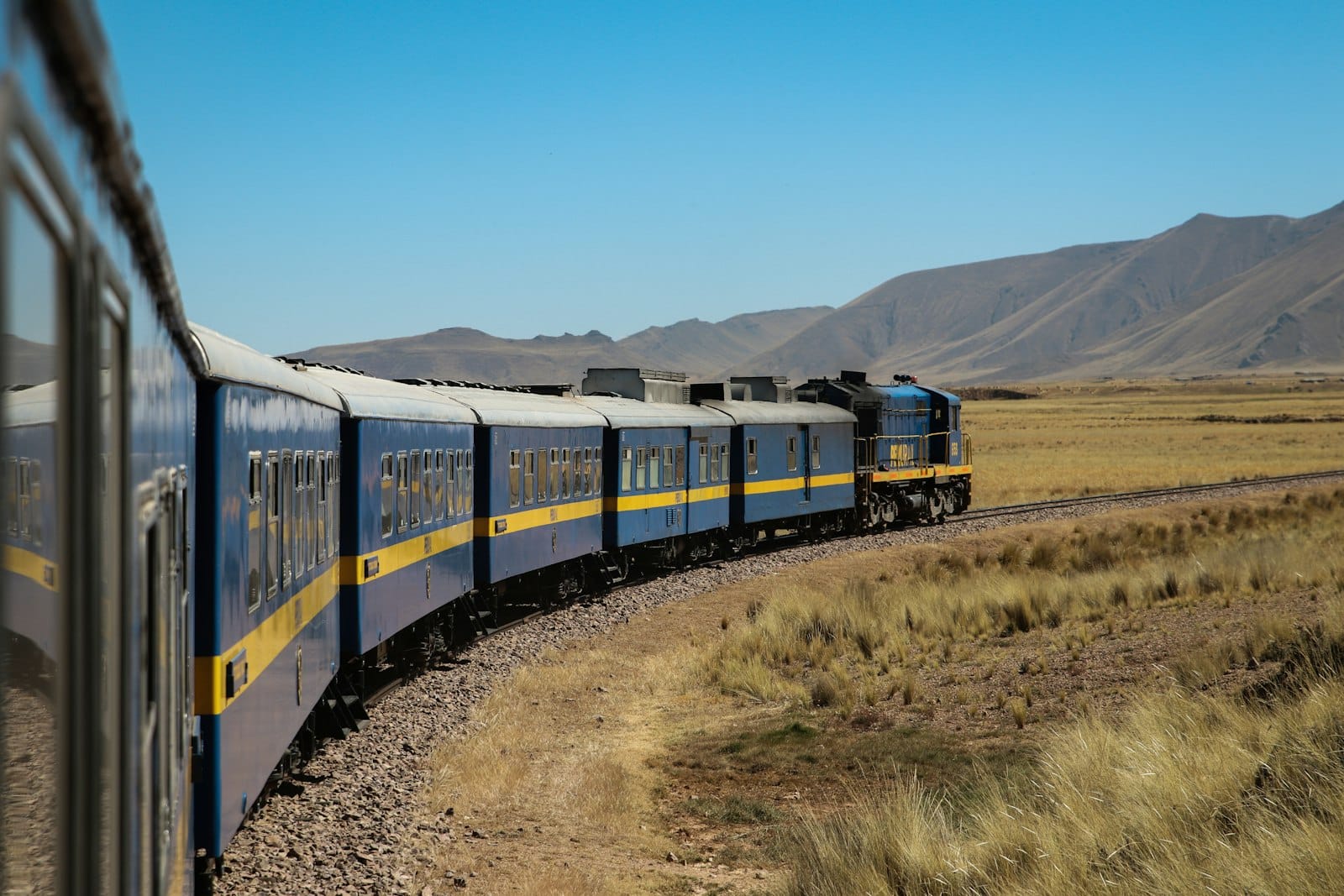
If you have the days, take the train from Xining. It is the single best piece of altitude prep money can buy. The Qinghai–Tibet railway from Xining to Lhasa is 22 hours, climbs gradually to 5,072 meters at Tanggula Pass, and the carriages are pressurized with supplemental oxygen at each berth. A soft sleeper runs around 780 yuan; hard sleeper 495 yuan. Book through your agency — foreign passport holders cannot book Tibet trains on China’s 12306 website directly. For general booking mechanics on non-Tibet routes, our China high-speed train guide covers the workflow.
The Chengdu option
Chengdu is the most popular entry because it is the cheapest flight (2.5 hours, around 1,200–1,800 yuan one-way), has the deepest pool of Tibet agencies, and lets you tack on a few days with the pandas. The downside is the abrupt altitude jump — you sleep at 500 meters in Chengdu and wake at 3,656 meters in Lhasa. Build in two no-activity days at the start. If you are routing through Chengdu, the Sichuan travel guide covers the loop you can attach to either end.
The flight-direct option
Direct flights to Lhasa run from Beijing, Shanghai, Xi’an, Kunming, and Kathmandu (with a separate China Group Visa). They are convenient and they are the worst thing you can do to your body. If you must fly direct, fly from somewhere already at elevation — Xining (2,275 m) or Kunming (1,900 m) gives you a partial head start.
How to Spot a Trustworthy Agency (and the Scams to Walk Away From)
Tibet’s tour industry is regulated, but the marketing layer that funnels foreigners is the wild west. I have seen people pay $200 deposits to outfits that vanished and first-timers locked into Land Cruisers with guides who spoke 30 words of English.
Green flags
- Physical address in Lhasa with a visible TTB license number. Anyone licensed displays it because Chinese law requires it. Cross-reference with the Tibet Tourism Bureau’s public registry if you want to be thorough.
- An itemized quote. Permits, accommodation tier, vehicle, English-speaking guide, entry tickets, oxygen supply — all listed as line items. A single round number is a warning sign.
- Willingness to put you on a call with a guide before payment. The fastest way to verify the English level you will get on the ground.
- Deposit of 30–50%, not 100% upfront. Balance paid in cash to the guide on arrival in Lhasa. If they want all of it wired in advance, walk away.
Red flags
- “We can get your permit in 5 days.” Nobody can. Standard processing is 10–15 working days. Anyone promising faster is either lying or about to sell you a forgery.
- “You can travel independently with our permit.” No. A guide must physically accompany you for the entire stay. Permit-only offers will get you caught at the airport.
- Pricing 40% below the market. Quality Land Cruisers, experienced guides, and decent hotels have floor costs. A quote that undercuts everyone is paying for it somewhere — usually a Chinese-speaking-only guide, a shared van with eight others, or a hotel with no heat in October.
- Pressure to book Kathmandu–Lhasa overland without explaining the China Group Visa. That route requires a special visa issued through the Chinese Embassy in Kathmandu, which invalidates your regular Chinese L visa. A complication if you plan to continue elsewhere in China after Tibet.
In my experience, the agencies that have been around for more than a decade and have a sustained presence in English-language trip reports are the safer pick. The market does not have many new entrants because the licensing barrier is high — incumbency is a positive signal here.
What I Would Do Differently if I Were Booking Tibet for 2026
| The trap most people fall into | What actually works |
|---|---|
| Booking 14 days out because “the permit only takes 15 days” | Start the agency conversation 30+ days out; treat 15 days as worst-case, not the plan |
| Flying direct from sea level into Lhasa to save a day | Take the train from Xining or fly via Chengdu with a planned acclimatization layer |
| Picking the cheapest agency and hoping for the best | Pay 15–20% more for a licensed Lhasa operator with verifiable years and an itemized quote |
| Listing “writer” or “journalist” on the occupation form because it is honest | Use a non-media job title that is also true (most freelancers wear several hats) |
| Trying to extend the trip on the fly once in Lhasa | Lock the full itinerary before the TTP is issued; route changes inside Tibet rarely happen fast |
| Booking Feb–March without checking the closure window | Treat Feb 1 – Mar 25 as a no-go zone every year and shift to April or May |
One Last Thing Before You Book
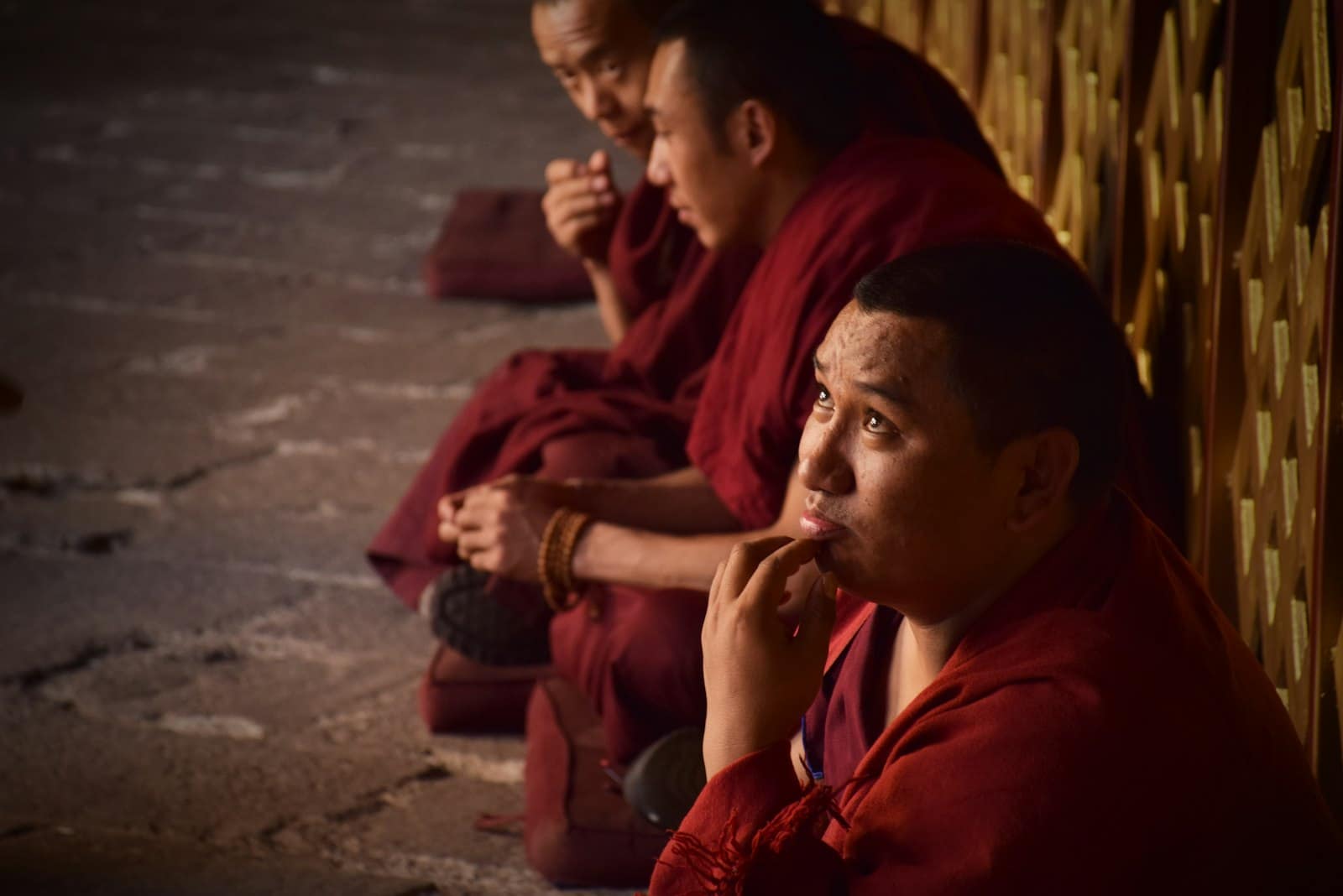
Your guide is not a tour reader reciting facts at the Potala. A good one is the entire reason the trip works. They handle the permit checkpoints, they know which monastery monks will let you sit in on a debate, and they know which restaurants in Shigatse will not give you food poisoning at 4,000 meters. When you compare agency quotes, ask specifically about the guide’s years of experience and request a video call. Twenty extra dollars a day for someone who has done the route 200 times is the highest-leverage spend on the entire trip.