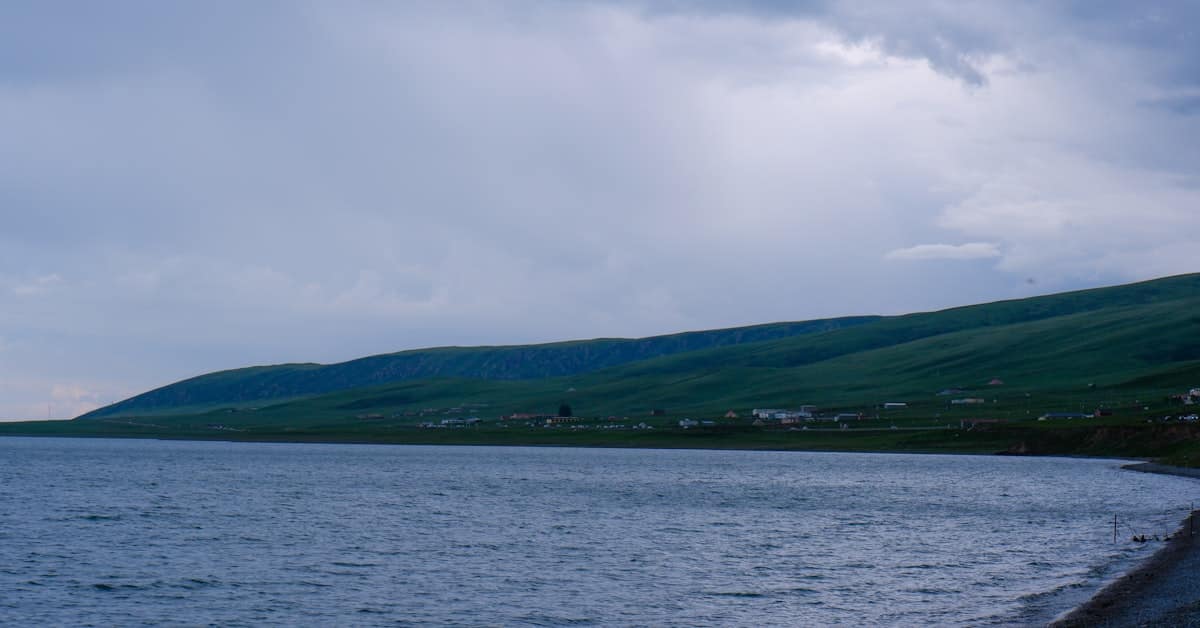
August is the month most travel guides quietly skip. Heat above 35°C in most cities, school holidays packing every train and attraction, typhoons hitting the southeast coast, and the kind of humidity that turns a 20-minute walk into a shower. Honestly, if you have any flexibility on dates, September or October will give you a better trip.
But August is also when many people can travel — summer holidays, paid leave, kids out of school. So the real question isn’t “should you come in August?” — it’s “if you’re coming anyway, where should you actually go?” That’s what this guide is about.
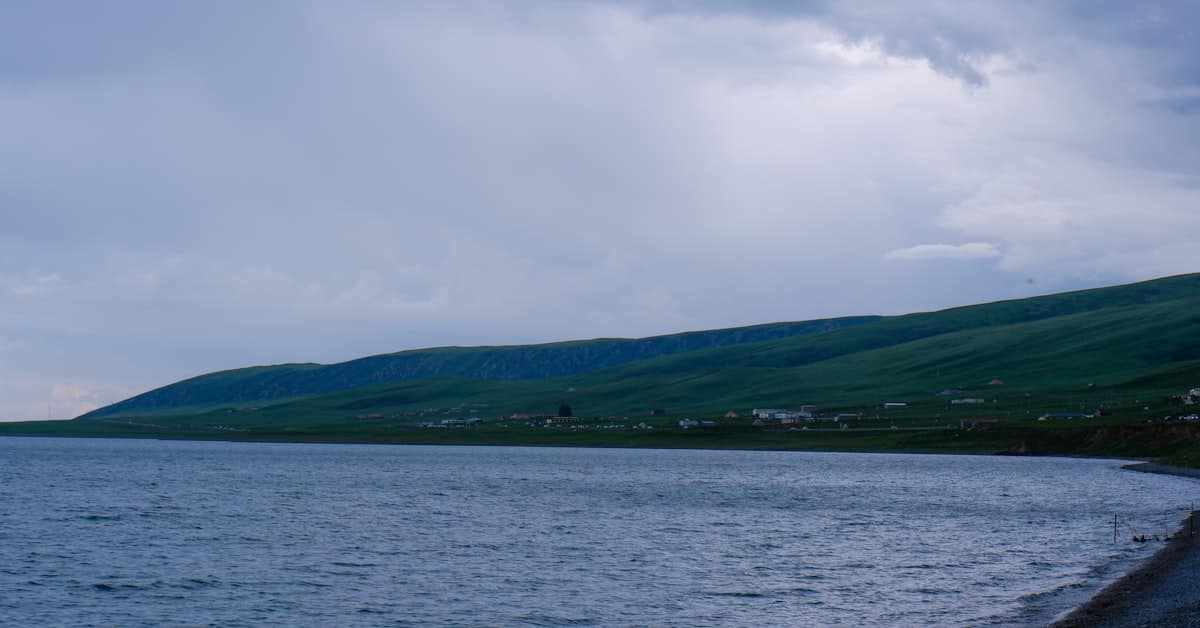
The Quick Verdict on August: Go High, Go West, or Stay Indoors
August in China splits cleanly into two countries. The eastern half — Beijing, Shanghai, Xi’an, the entire coast — is hot, humid, and crowded. The western half and the elevated plateau — Qinghai, Yunnan, parts of Sichuan, Tibet — are pleasant, sometimes cool, and the only places where outdoor sightseeing is genuinely comfortable.
If you’ve already booked an east-coast trip, the strategy is “indoor museums and air-conditioned malls during the day, food markets and night views after sunset.” If your itinerary is still flexible, point it west. The contrast in heat is roughly 12–15°C between Beijing and Lijiang on the same day.
What the weather actually looks like in August
- Beijing: 26–32°C, occasional 35°C+ heatwaves, scattered thunderstorms. Air quality is usually better than spring, which surprises people.
- Shanghai: 27–33°C with humidity often above 80%. Typhoon season — at least one storm passes nearby most Augusts.
- Chengdu: 23–30°C, overcast more days than not. The famous “Sichuan basin steam bath” is real.
- Lijiang / Dali (Yunnan): 16–24°C, cool at night. Daily afternoon rain in the wet season but mornings are clear.
- Xining / Qinghai: 12–22°C. Some travelers bring a fleece. In August.
- Lhasa (Tibet): 10–22°C, intense sun, dry. Best month of the year for the Tibetan plateau.
Where to Actually Go: The Five Routes That Work in Heat
1. Yunnan (Kunming → Dali → Lijiang → Shangri-La)
This is the default answer if someone asks me where to go in August. The whole Yunnan plateau sits between 1,800m and 3,200m, which means daytime temperatures rarely touch 30°C. You get tea-terraced hills, old towns, ethnic minority villages, and a route that connects easily by bus and short flights.
The catch: it’s wet season. Expect afternoon thunderstorms most days. Plan outdoor activities for mornings, indoor or covered ones for the 3–6pm rain window. Roads in the Tiger Leaping Gorge area can wash out — check conditions the day before, not the week before.
For the full route, see our Kunming travel guide and the 7-, 10- and 14-day China itinerary breakdowns.
2. Tibet (Lhasa + Lake Namtso)
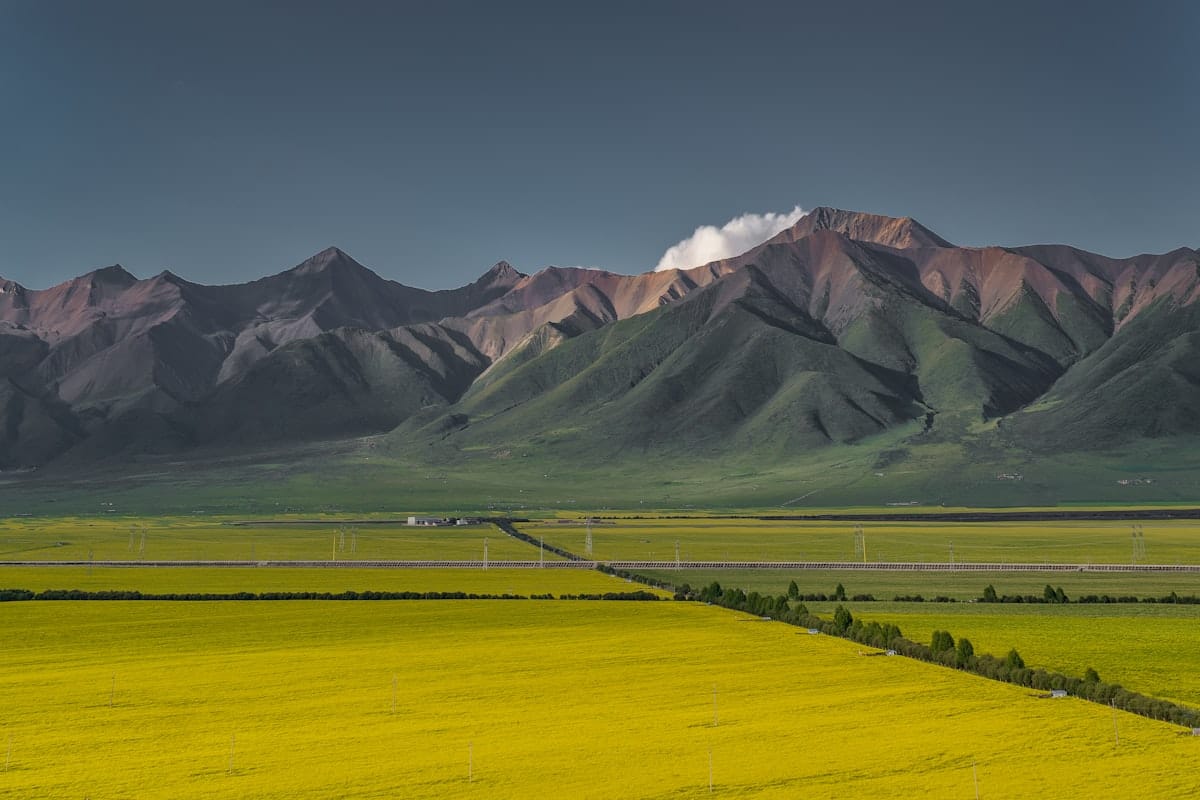
August is the single best month to visit Tibet. The plateau is dry, the wildflowers are peaking, the roads to Everest Base Camp and Namtso are passable, and the air is clear enough that you’ll get usable photos at 5,000m altitude.
The catch is paperwork. You need a Tibet Travel Permit (TTP), which only licensed agencies can apply for, and you must be on an organized tour. Apply at least 3 weeks ahead; in peak August, agencies sometimes stop accepting new permit requests two weeks before departure because the government quota fills up. Full breakdown in our Tibet travel permit guide.
Altitude is real. Lhasa sits at 3,656m. Skip the first day of any major activity, drink twice the water you think you need, and don’t overlap Tibet with a flight from Chengdu in the same 48 hours unless you’ve been to altitude before.
3. Qinghai Lake + Zhangye Danxia (Northwest loop)
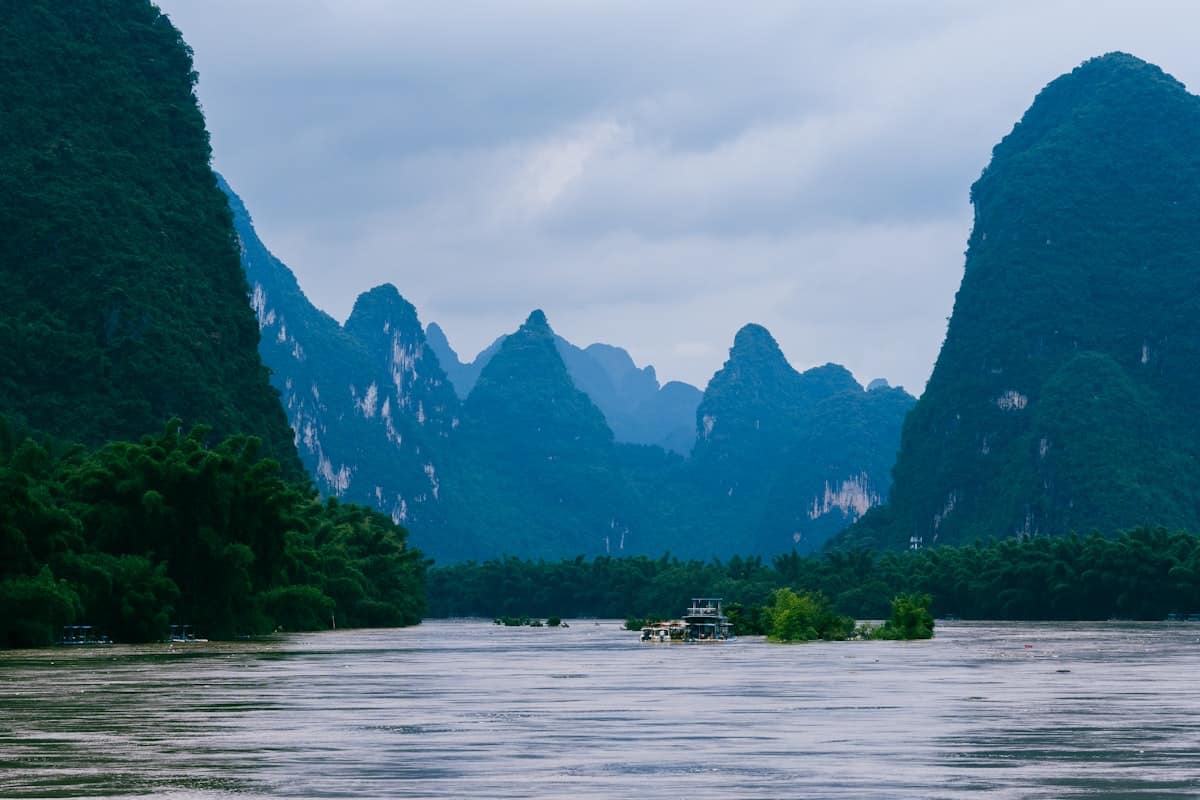
If Tibet’s permit hassle is too much, Qinghai gives you 80% of the plateau experience without the bureaucracy. Fly into Xining, rent a car or join a 4-day loop tour, and you’ll see Qinghai Lake (China’s largest, 3,200m elevation), the Zhangye Danxia striped mountains (which are exactly as colorful as the photos — that’s not a filter), and grasslands that look more like Mongolia than central China.
Daytime in August: 18–22°C. Nighttime: bring a light jacket. The Qinghai-Tibet Railway high-altitude segment passes through here too, which is one of the more interesting train rides in China — see the high-speed train guide for booking specifics.
4. Jiuzhaigou + Huanglong (Sichuan, but high)
People remember Jiuzhaigou’s photos: turquoise lakes, layered waterfalls, mountains. What they don’t realize is that it sits at 2,000–3,400m elevation, which makes it August-friendly when Chengdu is sweating at 32°C. Take the train to Songpan or fly into Jiuzhaigou Huanglong Airport, and you’ve gained 2,000m of altitude in a few hours.
August warning: it’s the second-most-crowded month of the year here (peak is October). Book park tickets via the official mini-program 7 days ahead, not at the gate, and aim for the first shuttle bus at 7am to actually see the lakes before tour groups fill the boardwalks.
5. The “stay east, work the schedule” plan
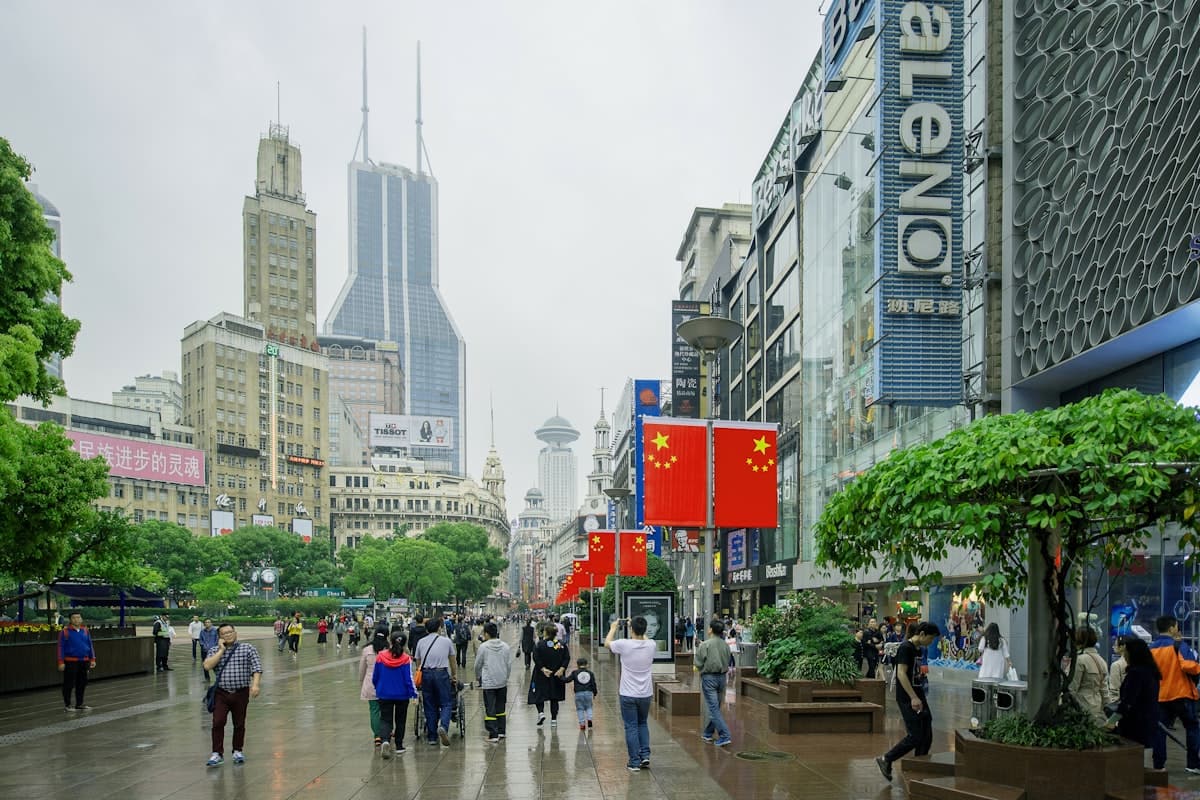
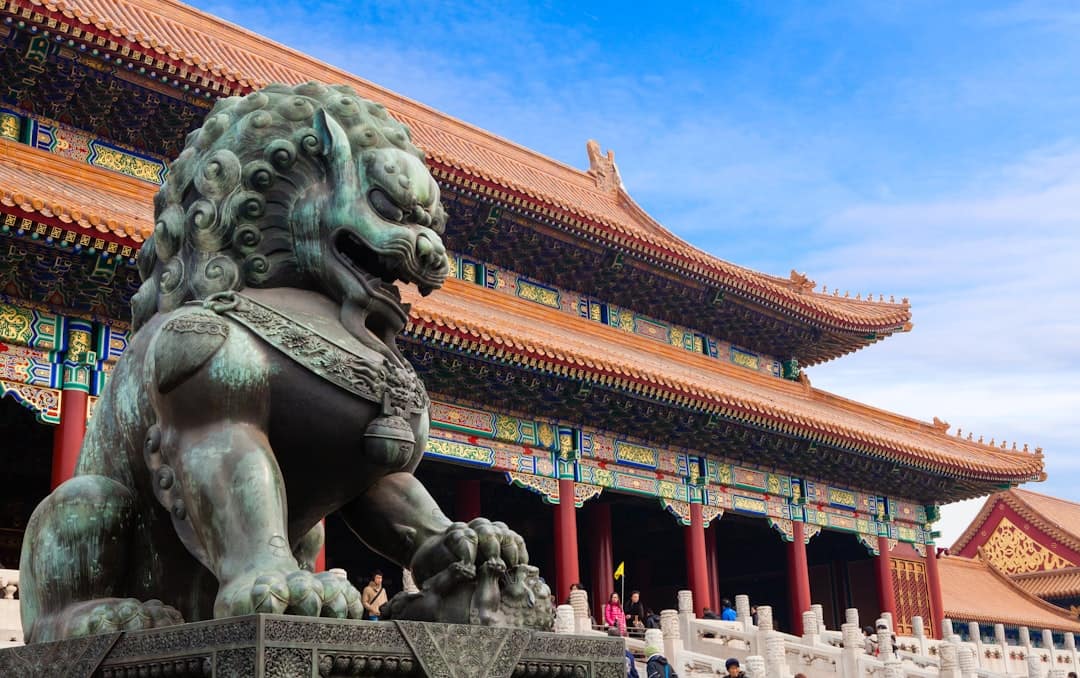
If you’re committed to Beijing, Shanghai, or Xi’an, the route is workable — you just have to invert the day. Sightseeing 6:30–10am, indoor museums and lunch 10am–4pm, parks and night markets after 7pm. The Forbidden City opens at 8:30; arrive at 8:15 and you’ll get an hour of relative coolness before the marble paving turns into a frying pan.
For Beijing specifically, the Beijing 7-day itinerary already builds in early-morning starts. Shanghai is more forgiving because most of the interesting parts (the Bund, French Concession, Power Station of Art) work at night.
What to Avoid in August
The southeastern coast (Fujian, Guangdong, Hainan) during typhoon weeks
Most Augusts get 2–4 typhoons making landfall or close passes between Fujian and Guangdong. A typhoon disrupts flights, ferries, and trains for 2–3 days. Hainan resorts go on lockdown. If you must go to this region in August, build a 48-hour buffer into your itinerary and check the China Meteorological Administration site daily once you’re within 5 days of arrival.
The Great Wall on weekends after 10am
Mutianyu and Badaling sections are, in my experience, more crowded in August than during Golden Week. Local families with kids on summer break add a layer that international travelers don’t see in October. If you must see the Wall in August, go on a weekday, take the first shuttle, and head to Jinshanling instead of Mutianyu.
Multi-day hikes below 2,500m elevation
Tiger Leaping Gorge (top trail) works because most of the path is above 2,400m. Huangshan works at altitude. But “Yangshuo bike loops” or “Anhui village hikes” become unpleasant slogs in 32°C and 85% humidity. Save those for spring or autumn — see when to actually visit China for a deeper month-by-month breakdown.
Practical Logistics for August Travel
What to pack that you might not think of
- A second shirt for midday. You will sweat through the first one by lunch. Hotel laundry takes 24 hours; quick-dry synthetics that you can rinse in the sink at night save the trip.
- Sun protection at altitude. If you’re going to Tibet, Qinghai, or Yunnan above 2,000m, the UV index hits 10–11 in August. SPF 50, hat, sunglasses are non-optional.
- A foldable umbrella. More useful than a rain jacket because of the heat — you want airflow under it, not a sweat layer.
- Electrolyte tablets. Convenience-store sports drinks in China are sweet but light on electrolytes. Bring tablets from home.
Full list in our 2026 China packing list, but those four items are the August-specific upgrades.
Booking windows
August is school-holiday peak for domestic travel. Train tickets on popular routes (Beijing–Xi’an, Chengdu–Lhasa, Kunming–Lijiang) sell out the moment booking opens, which is 15 days before departure at 9am China time. Set a reminder. Flight prices spike 30–50% over June and September; if you can shift your trip by a single week into early September, you’ll save real money.
Apps and connectivity
Hotels with capacity issues are real in August. Have a backup plan in Trip.com or Ctrip if your first booking doesn’t honor the reservation (this happens more in August than any other month — see the essential China travel apps guide for what to install before you land).
Is August Safe? Health and Heat Considerations
Heat illness is the actual risk, not crime
China is, on most metrics, a safe country to travel in — see our broader is China safe for tourists writeup. The August-specific risk isn’t safety; it’s heat. Heatstroke cases at outdoor attractions (Great Wall, Forbidden City, Terracotta Warriors) spike between 1pm and 4pm. Tour group elderly travelers are most affected, but it’s not unusual to see signs at major sites in the afternoon.
Stay shaded between noon and 4pm. Carry 1.5L of water for any 4-hour outdoor activity. If you feel dizzy or stop sweating, stop and find air conditioning immediately — that’s the warning sign you can’t ignore.
Mosquitoes are worse than usual
Standing water from rain plus heat means mosquitoes are at peak August numbers. DEET-based repellent works; the local stuff (花露水 huā lù shuǐ) smells better but is less effective. No malaria risk in tourist areas, but dengue sometimes shows up in southern provinces — long sleeves at sunset is a reasonable habit.
How August Compares to July and September
July is hotter in the south, less hot in the north — Beijing in late July often beats August by 1–2°C. Our July guide goes into the typhoon risk in more detail. September is the inflection month: first half still feels like August, second half is the start of the genuinely good travel weather. If your dates are mid-August to early-September, you’re in the most demanding window. Late August into early September is a sweet spot many travelers miss.
The August Trip I’d Actually Build
If a friend asked me to plan their first China trip in August right now, the route I’d give them is:
- Days 1–3: Beijing — Forbidden City, Great Wall (Jinshanling), Hutongs. Early starts.
- Days 4–6: Fly to Xining, do the 4-day Qinghai Lake + Zhangye loop. Cool weather. (See our 2026 China visa guide for what countries get visa-free entry — most can do this whole trip without paperwork.)
- Days 7–9: Fly Xining → Lijiang. Old town, Tiger Leaping Gorge if conditions are good, easy days.
- Days 10–12: Train to Kunming, fly home.
That’s 12 days, three climates (hot Beijing, cool plateau, mild Yunnan), and you spend less than 6 hours in oppressive heat across the whole trip. It’s also more interesting than a standard “Beijing-Xi’an-Shanghai” loop, which in August feels like punishment.
Common Mistakes vs. What Works
| Common pitfalls |
Practical and feasible approach |
|---|---|
| Building the trip around Beijing/Shanghai/Xi’an in August because they’re “the classics” | Pick one east-coast city for 3 days max, then point west |
| Booking outdoor day-tours for 1–4pm because that’s when you have free time | Most outdoor sites are bearable 7–11am only — flip the schedule |
| Treating Tibet as a “drop-in” stop at the end of a Sichuan trip | 3 weeks lead time on the permit, plus 24-hour acclimatization buffer |
| Assuming train tickets will be available when you arrive | 15-day rule: book the moment the window opens at 9am China time |
| Packing for heat only | Yunnan and Tibet require a fleece — even in August |
One last thing: don’t trust generic “best time to visit” articles that lump August in with summer and call it inadvisable. The high-altitude west is actually at its best this month. The trick is committing to that geography rather than fighting the heat in places that don’t reward it.
Part of our Beijing 7-day series. If your dates are flexible, the climate logic in this article pairs with our Beijing 7-day itinerary, which expands the timeline this article fits into.
2 thoughts on “China in August 2026: Heat, Crowds, and the Routes That Still Work”