Most “China packing list” articles online are generic templates that work equally badly for January in Harbin and August in Guangzhou. Summer in China is its own packing problem — heat that turns marble courtyards into reflective ovens, humidity that stays above 80% for weeks at a time, monsoon rain that arrives in 20-minute bursts, and a typhoon season that can disrupt your itinerary by 48 hours with one storm. The packing list that handles all of this is shorter than you would expect, and most of it is about what you should leave at home.
The 5 Things Most Travelers Underpack For (Or Forget Entirely)
If you only get five things right on a China summer packing list, get these. The rest of the list below is supporting cast.
- Electrolyte tablets or powder, not just sports drinks. Chinese convenience-store sports drinks (Pocari Sweat, Mizone, Pulse) are sweet but light on actual sodium and potassium. Bring tablets from home — Nuun, SaltStick, or generic ORS sachets. You will need 1-2 per day in eastern cities, 2-3 if you do high-altitude western routes. This single item separates travelers who feel “tired but okay” from those who get heat exhaustion at 3pm in the Forbidden City courtyard.
- A second moisture-wicking shirt for every day, minimum. Cotton stays wet. Synthetic quick-dry (Coolmax, merino blends) dries in 2-3 hours in Chinese summer humidity. Sink-wash at night, dry overnight, ready by morning. This eliminates the need for hotel laundry — which in mid-range Chinese hotels takes 24+ hours and costs 30-80 yuan per item.
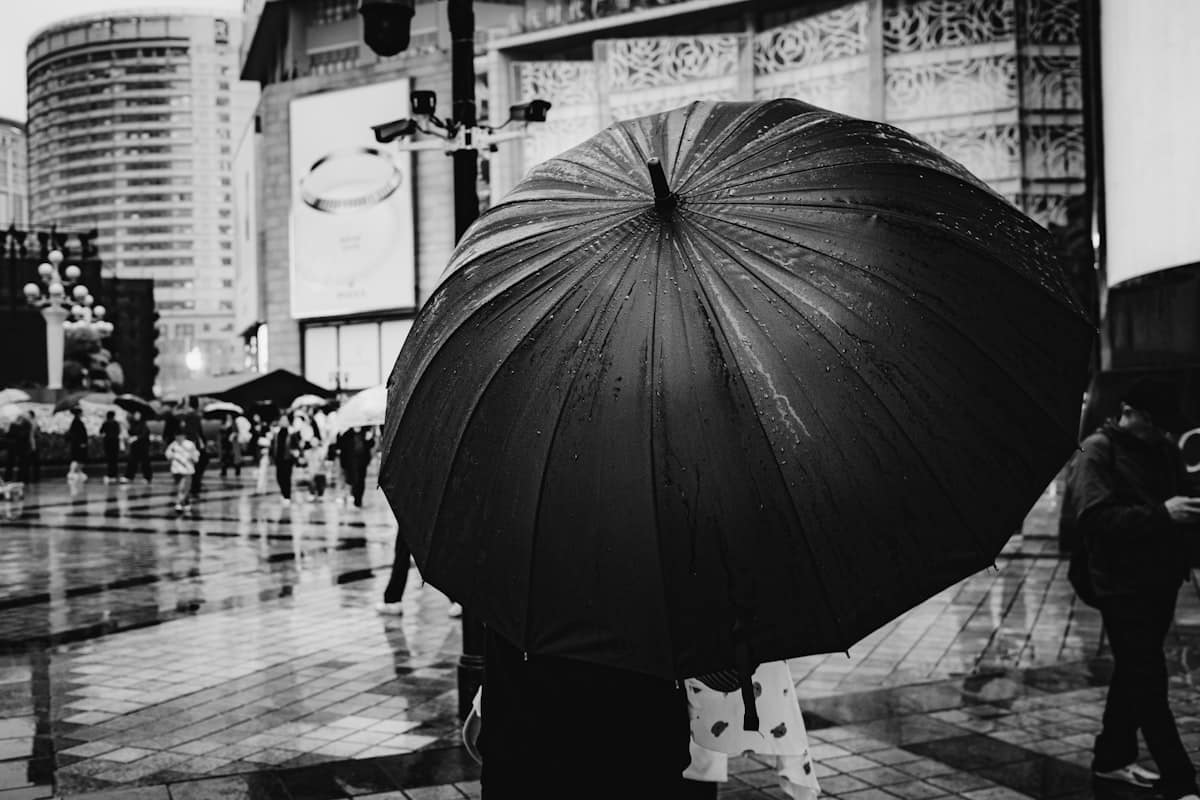
- A foldable umbrella that handles both rain and sun. Chinese pedestrians use umbrellas in summer sunshine, not just rain — it’s the most effective portable shade. A rain-proof umbrella that fits in your day bag does double duty. UV-blocking models exist but a regular black umbrella works.
- SPF 50+ sunscreen in a quantity you actually need. Most travelers bring one 50ml tube and run out by day five. For a two-week trip to China in summer, plan on 250-400ml total per person if you’ll be outdoors much. Buying it in China is possible but the formulations are different (often whitening agents added), and major brand Western sunscreens (La Roche-Posay, etc.) cost 2-3x more in China than at home.
- A small dry bag (5-10L). For your phone, wallet, and passport during the inevitable afternoon thunderstorm. Honestly, this is the single most underrated travel item for China summer. You won’t always have the umbrella up in time; a dry bag is the backup.
Clothing: What Actually Works in 35°C and 85% Humidity
The biggest packing mistake for China summer is overpacking clothing. Heat plus humidity means everything you wear gets soaked in sweat by midday. The strategy is: fewer items, more washes. Three or four good quick-dry shirts beat seven cotton t-shirts every time.
What to bring (per person, 2-week trip)
- 3-4 synthetic short-sleeve shirts. Quick-dry (Coolmax, Capilene, merino-synthetic blend). Plain colors — white shows sweat, but the dirty grey of well-loved travel synthetics shows it less.
- 1 lightweight long-sleeve shirt. For sun protection at altitude (Yunnan, Tibet, Qinghai) and air-conditioned trains that run at 18°C in summer. Linen or merino works.
- 2 pairs of quick-dry travel pants. Not jeans. The convertible zip-off shorts/pants type are functional even if they look like 2010. One pair for sightseeing, one for travel days.
- 1 pair of shorts. For genuinely casual time. Note: shorts are not acceptable in some temple interiors — you’ll be asked to put on pants or wrap a scarf. Bring one pair, expect to use them outside religious sites.
- 5-7 pairs of moisture-wicking socks. Cotton socks in Chinese summer humidity become wet rags within hours. Merino or synthetic blends only.
- 5-7 pairs of underwear, quick-dry. ExOfficio, Smartwool, or similar. You will rinse these at night and have them ready by morning. Cotton underwear is comfortable for one wear and miserable on the second.
- 1 pair of walking shoes, broken in. Not new. China summer is not the time to find out your new shoes give you blisters. Avoid full leather; the humidity will stretch them out. Mesh sneakers or hiking shoes work best.
- 1 pair of sandals. For hotel/evening use. Don’t try to sightsee in sandals — most major attractions involve uneven stone or stairs that punish open footwear.
- 1 lightweight rain jacket OR a quality umbrella. Pick one, not both. The rain jacket adds heat under it; the umbrella keeps airflow. In my experience, the umbrella wins in Chinese summer because the rain is intermittent rather than constant — you want to deploy something only when it’s needed, not wear it all day.
What to leave at home
- Jeans. Heavy, slow to dry, miserable in humidity.
- Cotton t-shirts (in quantity). 1-2 is fine for evenings. Don’t make them your primary travel shirts.
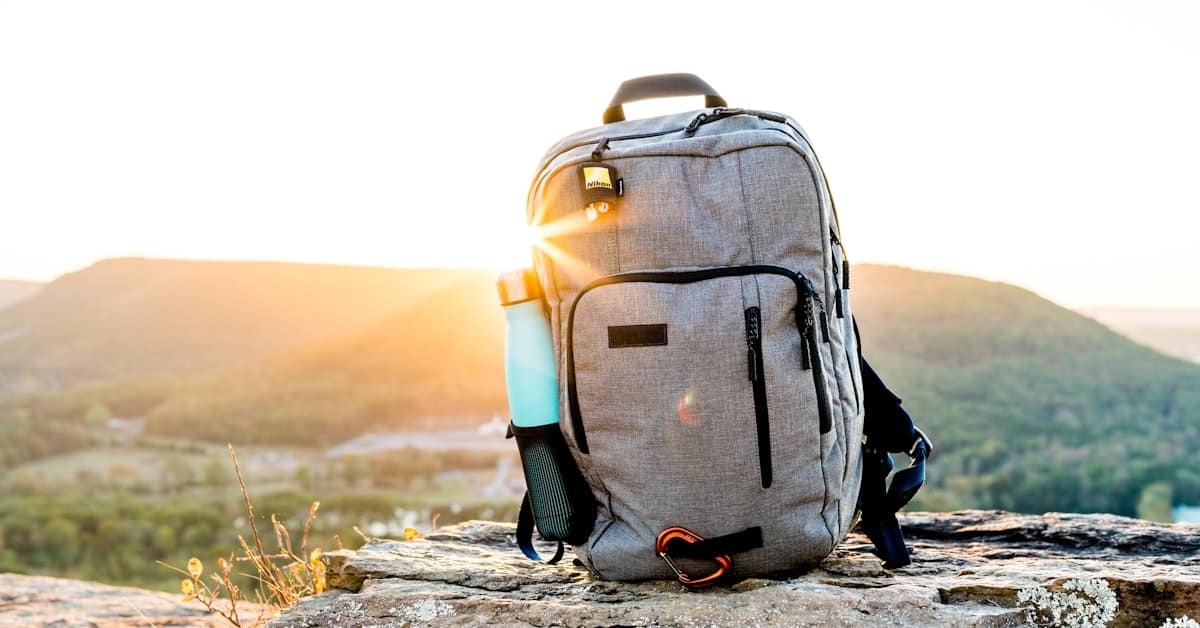
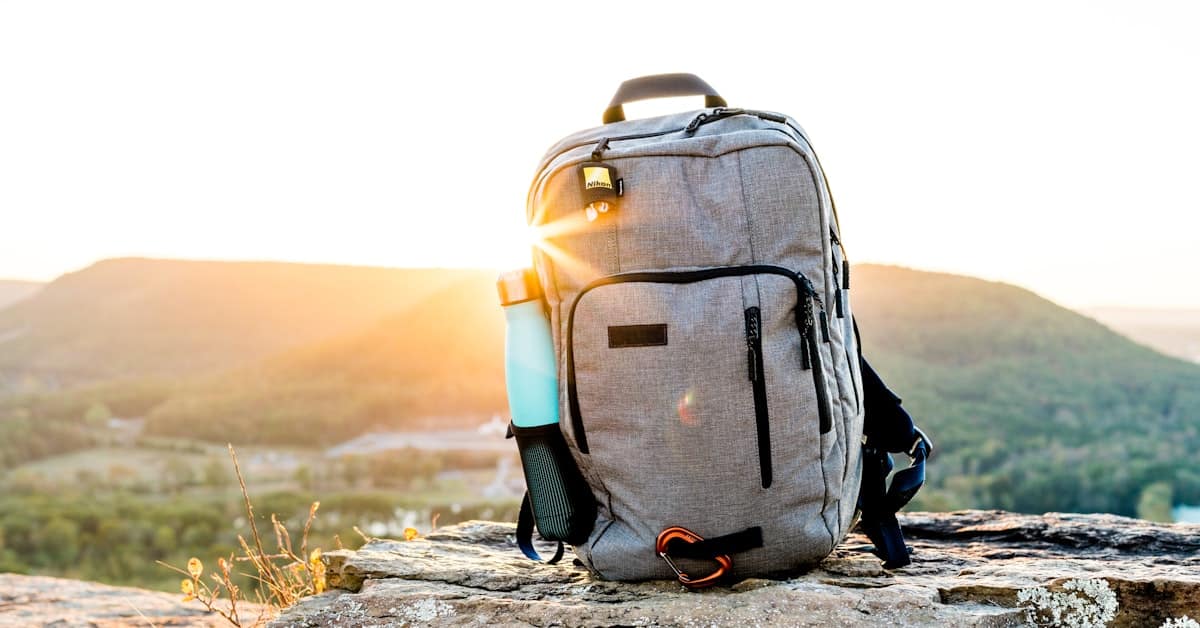
- A heavy hiking pack. Unless you’re trekking in Tibet, a 30-40L daypack and a small carry-on roller are enough. The Chinese travel infrastructure (high-speed trains, taxi spaces, hotel rooms) doesn’t reward big bags.
- Western-brand bottled water. Tap water is not drinkable but 1.5L bottles cost 2-4 yuan at any convenience store and 10-15 yuan at tourist sites. Bring an empty refillable bottle instead.
- Bug spray, unless you’re going rural. Cities have surprisingly few mosquitoes thanks to widespread fogging. Rural Yunnan, Guangxi, and Sichuan in summer is a different story — bring DEET for those.
Sun and Heat Protection: The Altitude Trap
Sea-level cities and 2,000m plateaus need completely different sun protection strategies. A traveler who packs for Shanghai and then goes to Lijiang will be sunburned by day two on the plateau, even though Lijiang’s daytime temperature is lower.
The UV index in eastern Chinese cities (Beijing, Shanghai, Guangzhou) in July-August averages 8-9. The UV index in western high-altitude China (Yunnan plateau, Qinghai, Tibet) averages 10-11 in the same months. UV strength roughly doubles every 1,000m of elevation gain. This is the part most Western travelers fail to plan for.
The pack-this-or-regret-it list
- SPF 50+ broad-spectrum sunscreen, 250-400ml per person for a 2-week trip. If you’re going above 2,000m elevation (Tibet, Qinghai, Yunnan plateau), make it SPF 70 and reapply every 90 minutes. The thinner air at altitude offers less natural UV protection.
- Sunglasses with proper UV protection. Not the $5 souvenir kind. Snow-blindness from glaring water surfaces (Qinghai Lake, Erhai Lake) and high-altitude sun is a real risk. Polarized lenses cut water glare effectively.
- Wide-brimmed hat or cap with a neck cover. The neck and ears are the most-burned areas on travelers who only think about face protection. A hat with a neck flap looks dorky but works.
- Long-sleeve UPF 50 sun shirt for plateau travel. If your Yunnan or Tibet itinerary involves outdoor hiking or boat rides, a UPF-rated long sleeve beats reapplying sunscreen every 90 minutes. Worth the $30-50 if you’ll be at altitude for 4+ days.
- Lip balm with SPF. Lips burn easily and miserably at altitude. Easily forgotten, easily missed.
Typhoon Season: What to Do When Weather Disrupts Your Plan
July through September is typhoon season for the southern and eastern Chinese coast. A typhoon hitting Fujian, Guangdong, or Hainan can disrupt flights, ferries, and trains for 2-3 days. Hong Kong issues a typhoon warning system (T1 through T10) that effectively shuts down the city above T8. Most travelers don’t plan for this and lose 2-3 days when it happens.
The typhoon-ready packing additions
- A waterproof phone case or pouch. Not the $5 ziplock kind — a proper IP67-rated case. You’ll be navigating with your phone in heavy rain at some point.
- Backup paper copies of important reservations. Hotel confirmations, train tickets, flight tickets. Print before you leave. When the data network goes down during a typhoon, the WeChat mini-programs that hold your tickets become unreachable.
- An extra 48 hours of itinerary flexibility. Not literally something you pack, but a planning principle. If you must arrive in Beijing by a specific date for an international flight, give yourself 48 hours of buffer if you’re traveling through any typhoon-prone region in the preceding week.
- A small flashlight or headlamp. Typhoons cause power outages. Phone flashlight works but drains battery you can’t easily recharge.
The China Meteorological Administration site (en.cma.gov.cn) publishes typhoon paths 3-5 days ahead. Check daily once you’re within a week of arrival to any southern coastal city. For broader month-by-month weather context, the China in July guide covers the typical typhoon patterns, and the China in August guide covers the peak risk window.
Electronics and Connectivity
China’s digital infrastructure works well, but a few things need to be set up before you land or you’ll have a frustrating first day.
- A VPN installed and tested before arrival. Google, Gmail, Facebook, Instagram, WhatsApp, and most Western news sites are blocked in China. Install a VPN like Surfshark, ExpressVPN, or NordVPN at home — the apps cannot be downloaded inside China. Test it before you fly. For more on which VPNs actually work, see the broader China VPN guide.
- An eSIM or international roaming plan. Airalo, Holafly, and Ubigi all sell China eSIMs. Activate the eSIM before you land — the activation requires Apple’s servers, which are slow inside China. Buying a local SIM at the airport works but requires passport registration and 30-60 minutes of paperwork.
- Portable battery, 10000mAh or larger. You will use your phone constantly for navigation, translation, payment, and tickets. A full charge isn’t enough for a full sightseeing day. Note: lithium batteries over 100Wh are restricted on Chinese domestic flights; 10000mAh is well under the limit (~37Wh).
- Universal adapter with Type A/I plugs. Chinese outlets accept Type A (US flat pins), Type C (European round), and Type I (Australian angled). A universal adapter covers all of them.
- WeChat Pay and Alipay accounts set up before arrival. Both accept foreign Visa/Mastercard since 2023. Linking a card while abroad is much easier than trying inside China where the verification SMS may not arrive. For a step-by-step, see the Alipay and WeChat Pay guide.
Health and First Aid for Summer
Most travelers don’t think about a first-aid kit until they need one. The summer-specific items to add to the generic kit:
- Imodium / loperamide. Traveler’s diarrhea is the most common health complaint. 12 tablets is the right quantity for a 2-week trip.
- Oral rehydration salts (ORS). Combines with the diarrhea risk above. Sachets weigh almost nothing.
- Hydrocortisone cream. For mosquito bites, heat rash, and the inevitable rash you didn’t expect.
- Anti-chafing balm (BodyGlide or similar). Thighs and underarms suffer in humidity. Easily prevented, miserable to fix mid-trip.
- Personal prescription medications, with a copy of the prescription. Bring meds in original labeled bottles. Customs has been more thorough since 2024.
- Earplugs. Chinese hotel walls vary widely in soundproofing. Earplugs solve about 80% of sleep problems on the road.
For the deeper safety context, the Is China safe for tourists guide covers the broader health and safety picture beyond summer-specific items.
Documents and Money
- Passport with 6+ months validity and 2+ blank pages. Standard requirement. Photocopies stored separately from the original.
- China visa (if required for your nationality). Check the latest rules — China has expanded visa-free entry significantly since 2024 for many countries. Australians, Americans, and Canadians still need visas; many Europeans don’t. The China visa guide has the current 2026 list.
- Foreign credit card (Visa or Mastercard) for backup. WeChat Pay handles 95% of transactions, but some hotels, hospitals, and international restaurants still want a physical card.
- 1,000-2,000 yuan in cash. For rural areas and small vendors whose QR code system isn’t working. Get this at your home bank — airport rates are bad.
- Travel insurance documentation. Confirm your policy covers China explicitly (some don’t), and that it covers medical evacuation. Print the policy summary and emergency phone numbers.
The Full Summer Packing List, in Order of Priority
| 带还是不带 | 项目 |
|---|---|
| 必须带 | SPF 50+ sunscreen (250-400ml), electrolyte tablets, foldable umbrella, 3-4 quick-dry shirts, 1 long-sleeve shirt for AC/altitude |
| 必须带 | VPN installed before arrival, eSIM activated, WeChat Pay + Alipay linked to foreign card |
| 必须带 | Passport + visa + travel insurance docs, 1,000-2,000 yuan cash backup |
| 必须带 | First aid kit with ORS, Imodium, hydrocortisone, anti-chafing balm |
| 很有用 | Dry bag for phone/wallet, portable battery 10000mAh, hat with neck protection |
| 很有用 | Sunglasses with UV protection, sandals for evenings, broken-in walking shoes |
| 有空间就带 | UPF 50 sun shirt (for plateau trips), waterproof phone case (for typhoon zones) |
| 留家里 | Jeans, cotton t-shirts in quantity, heavy hiking pack, Western brand sunscreen at home prices, full first aid kit (bring just essentials) |
China Summer Packing: Frequently Asked Questions
Q: What clothing should I pack for a China summer trip?
For 2 weeks: 3-4 synthetic quick-dry shirts, 1 long-sleeve (AC + altitude), 2 pairs travel pants, 1 shorts, 5-7 moisture-wicking socks/underwear. Avoid cotton (stays wet) and jeans. Broken-in walking shoes plus sandals for evenings.
Q: Umbrella or rain jacket for China summer?
Umbrella, not both. Locals use them in direct sun as portable shade. A rain jacket traps heat in 35°C humidity.
Q: How much sunscreen should I bring to China?
250-400ml SPF 50+ per person for 2 weeks. For high-altitude west (Yunnan plateau, Qinghai, Tibet above 2,000m): SPF 70 and add 50% volume — UV index hits 10-11. Western brands cost 2-3x more in China.
Q: What about typhoon risk?
July-September on the southern and eastern coast. Pack waterproof phone case (IP67), printed reservation backups, small flashlight, and build 48 hours of itinerary flexibility through Fujian/Guangdong/Hainan. Check en.cma.gov.cn for 3-5 day forecasts.
Q: Do I need electrolyte tablets?
Yes. Chinese sports drinks are sweet but light on electrolytes. Bring Nuun, SaltStick, or ORS tablets — 1-2 per day eastern cities, 2-3 high-altitude west.
Q: What electronics to set up before arriving?
(1) Install and test a VPN at home — apps can’t be downloaded inside China. (2) Activate a China eSIM (Airalo, Holafly, Ubigi). (3) Link foreign Visa/Mastercard to WeChat Pay + Alipay before flying.
For the broader summer travel context, the China family summer trip guide covers route choices for July-August and the general 2026 China packing list covers the year-round basics this summer-specific list builds on.
Photos courtesy of Unsplash.