The hardest part about planning a China tour is not figuring out what to see — it is figuring out what to skip. The country is roughly the size of the United States, and every province has a reason to visit. But most travelers have 7 to 14 days, which means you need an itinerary that actually works logistically, not just a wish list of famous places strung together on a map.
This guide covers seven China tour itineraries that are realistic — the trains connect, the pacing makes sense, and you will not spend half your trip in transit. Each one targets a different travel style and time budget.
1. The Classic First-Timer: Beijing to Xi’an to Shanghai (7-8 Days)
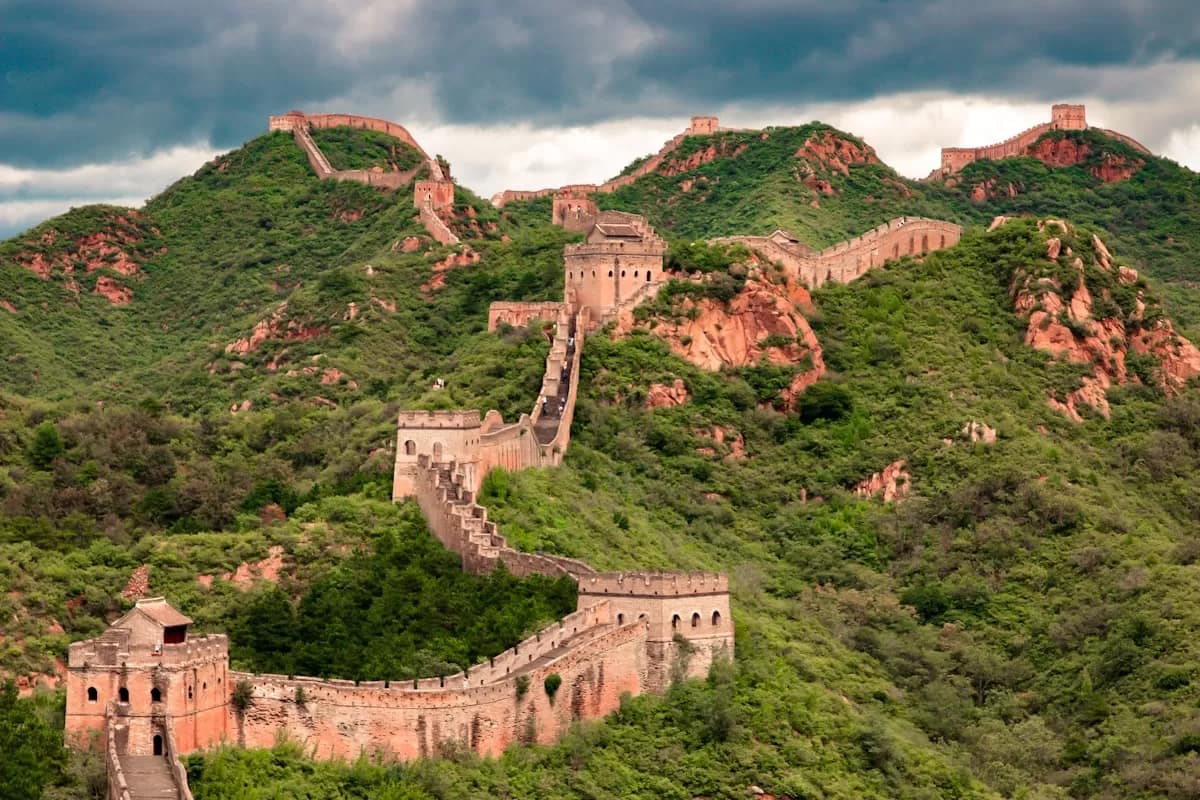
This is the route most tour companies sell, and for good reason — it hits the three biggest names in Chinese tourism and the transport connections are straightforward. Beijing (3 days), high-speed train to Xi’an (2 days), flight to Shanghai (2-3 days).
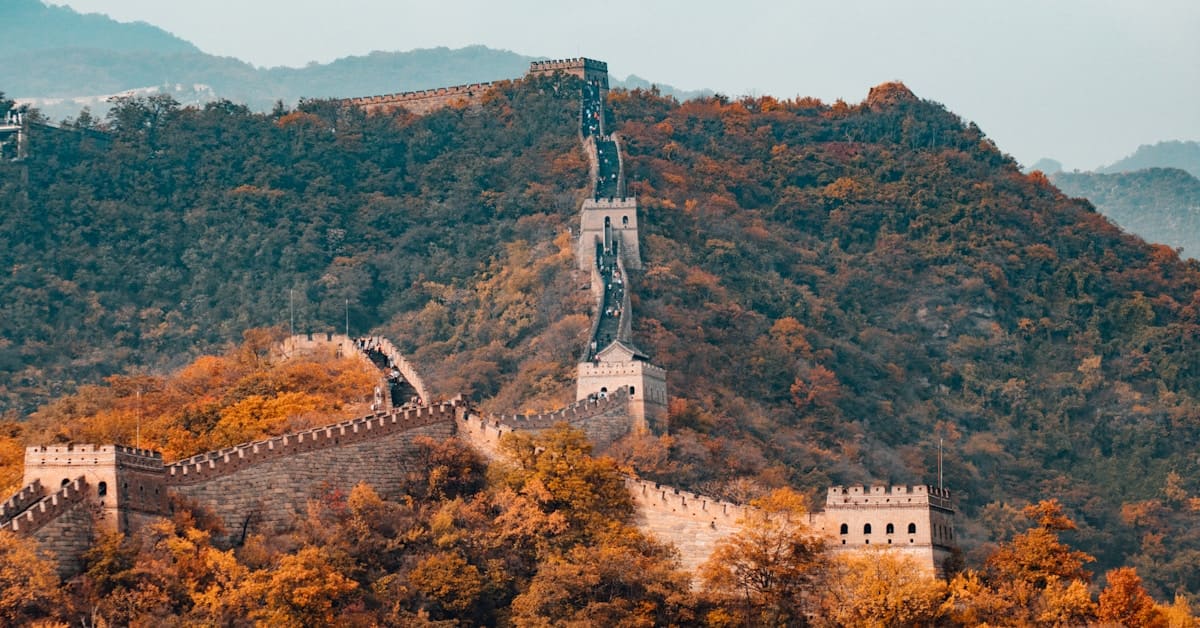
Beijing (Days 1-3): Forbidden City and Tiananmen Square on day one. Sort your visa well ahead of time — the entry process at Chinese airports takes longer than most people expect. Day two: Great Wall at Mutianyu (not Badaling — Mutianyu is less crowded and easier to photograph). Day three: Temple of Heaven and the hutong neighborhoods by bike rickshaw.
Xi’an (Days 4-5): The Terracotta Warriors are the reason you come, but the city itself is underrated. The Muslim Quarter at night, the City Wall by bike at sunset, and the dumpling houses on Yongxingfang are all worth your time.
Shanghai (Days 6-8): The Bund at night, Yu Garden in the morning, and the French Concession for wandering. The high-speed train from Xi’an takes about 6 hours, or fly in 2 hours if you are short on time.
Budget: $800-1,200 per person for mid-range hotels, trains, and meals. Add $300-500 if you want guided tours at each stop.
2. The Deep South: Guilin, Yangshuo, and Longji Rice Terraces (5-6 Days)
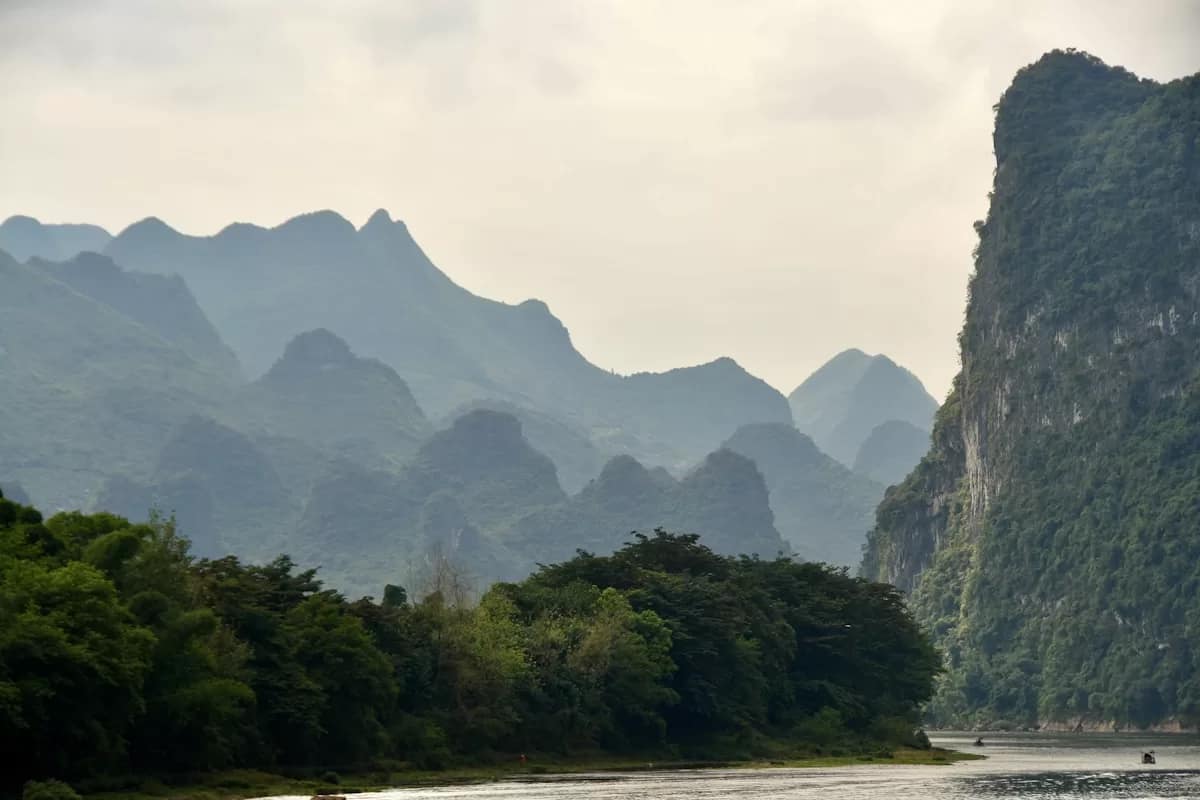
If your tour of China focuses on scenery over cities, this is the route. Guilin and Yangshuo deliver the karst mountain landscapes that show up on every China tourism poster, and the Longji Rice Terraces are one of the most striking agricultural landscapes in the world.
Day 1-2: Guilin. Take the Li River cruise from Guilin to Yangshuo — it is touristy but the scenery is genuinely stunning, especially in the early morning when the mist sits on the water. Walk around Reed Flute Cave in the afternoon.
Day 3-4: Yangshuo. Rent a bicycle or scooter and ride through the karst valleys. The Yulong River bamboo raft is quieter than the Li River cruise. West Street at night is loud and commercial, but the food stalls behind the main drag serve legitimate local cooking.
Day 5-6: Longji Rice Terraces. Two hours from Guilin by bus. Stay overnight in a wooden guesthouse in the terraces — the sunrise over the layered fields is worth the early wake-up. Note: the walk up from the parking area involves 30-40 minutes of stairs. Pack light.
Budget: $400-600 for 5 days. This is one of the cheapest tour routes in China — hotels in Yangshuo run $20-40/night and local food is under $5/meal.
3. The Panda and Hotpot Route: Chengdu and Surrounds (5-7 Days)
Chengdu is the capital of Sichuan province, and a tour built around this city gives you pandas, fiery cuisine, ancient temples, and mountain scenery without the rush of a multi-city itinerary.
Day 1-2: Chengdu city. The panda base at 7:30am — go early, before the crowds and before the pandas retreat from the heat. Afternoon: Wenshu Monastery and a teahouse on People’s Park. Evening: hotpot on Yulin Street. Order the “yuanyang” pot (half spicy, half mild) if you cannot handle full Sichuan heat.
Day 3: Leshan Giant Buddha. A 2-hour bus or train from Chengdu. The 71-meter Buddha carved into a cliff face is one of those sights that photographs do not fully convey — you have to stand at its feet and look up. You can view it from a boat or walk down the stairs alongside it. Do both if time allows.
Day 4-5: Mount Emei. One of China’s four sacred Buddhist mountains. The summit is at 3,099 meters, reached by a combination of bus, cable car, and walking. Stay overnight at the summit hotel to catch the sunrise above the cloud sea. Sichuan has more to explore if you have extra days — Jiuzhaigou and the western grasslands are worth the detour.
Day 6-7: Dujiangyan and Qingcheng Mountain. The 2,000-year-old irrigation system at Dujiangyan is still functioning and unexpectedly impressive. Qingcheng Mountain is the birthplace of Taoism — a half-day hike through bamboo forests and Taoist temples.
Budget: $500-800 for 5-7 days. Chengdu is one of China’s best-value major cities.
4. The Silk Road: Xi’an to Dunhuang to Kashgar (10-12 Days)
This is the tour for travelers who have already seen Beijing and Shanghai and want something different. The Silk Road route through Gansu and Xinjiang provinces covers desert landscapes, Buddhist cave art, and a cultural mix that feels nothing like eastern China.
Xi’an (2 days): Start where the Silk Road began. The Terracotta Warriors plus the Shaanxi History Museum, which has artifacts from every dynasty along the trade route.
Jiayuguan (1 day): The western end of the Great Wall — a fort in the Gobi Desert with snow-capped Qilian Mountains behind it. The drive here from Xi’an takes a full day on the high-speed train.
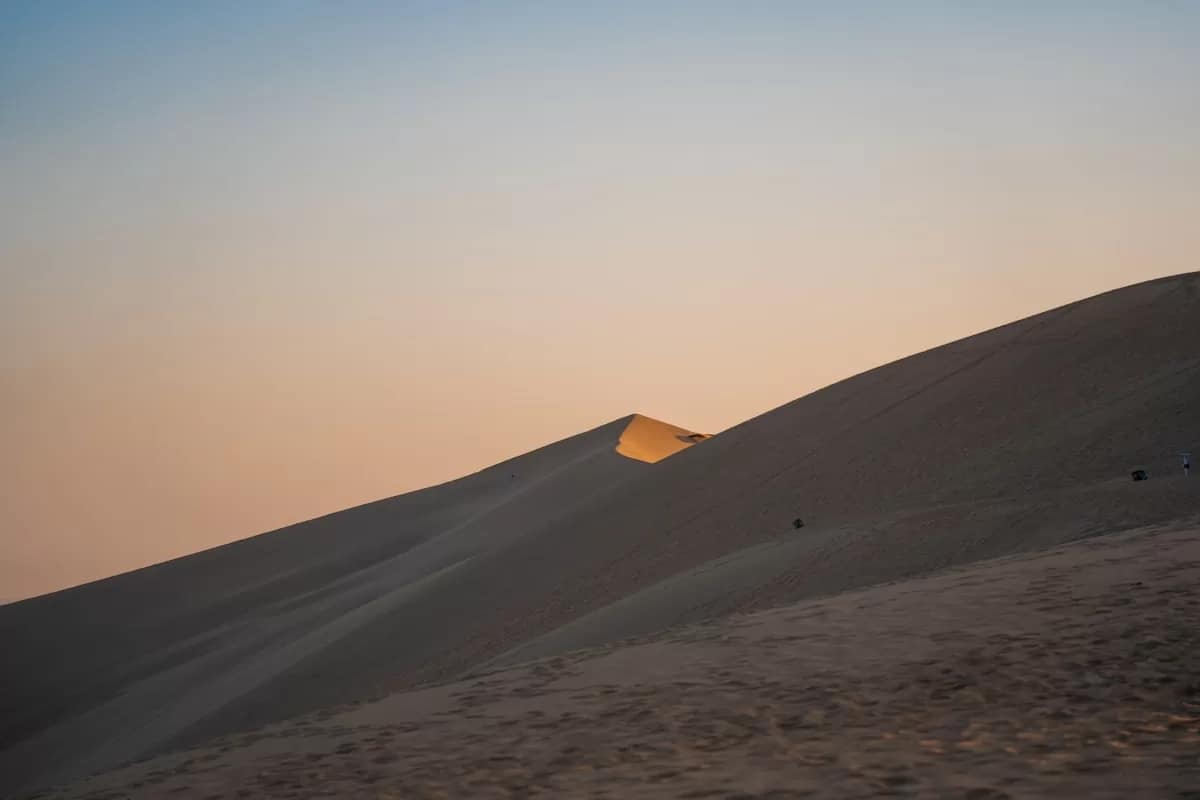
Dunhuang (2 days): The Mogao Caves — 492 Buddhist cave temples with murals and sculptures spanning a thousand years. Book tickets at least a month in advance; they limit daily visitors. Ride a camel in the Mingsha Sand Dunes at sunset.
Turpan (1-2 days): An oasis city in the desert with ancient ruined cities (Jiaohe and Gaochang), grape vineyards, and the Flaming Mountains. In summer, temperatures exceed 45 degrees Celsius. Visit in spring or autumn.
Kashgar (2-3 days): The Sunday livestock market is unlike anything else in China — thousands of traders buying and selling sheep, cattle, and horses in a dusty field on the edge of town. The Old City is a maze of Uyghur architecture. The food here is Central Asian, not Chinese: lamb kebabs, naan bread, and hand-pulled noodles.
Budget: $1,200-1,800 for 10-12 days. Flights between Silk Road cities are expensive; take the overnight trains where possible.
5. Yunnan Loop: Kunming, Dali, and Lijiang (7-9 Days)
Yunnan is the budget traveler’s dream province — cheap food, cheap hotels, and scenery that ranges from tropical valleys to Tibetan plateau. The loop between Kunming, Dali, and Lijiang is the classic Yunnan tour, and you can do it entirely by high-speed train.
Kunming (2 days): The Stone Forest (90 minutes from the city) is a landscape of limestone pillars stretching for miles. The city itself is pleasant and walkable — Nanqiang Street for crossing-the-bridge noodles, Green Lake Park for people-watching.
Dali (2-3 days): Two hours by train from Kunming. Rent an e-bike and ride around Erhai Lake. The old town has a backpacker vibe with cheap guesthouses and cafes. The Three Pagodas are the postcard shot.
Lijiang (2-3 days): The old town is a UNESCO site and gets crowded, but it is beautiful at dawn before the tour groups arrive. Jade Dragon Snow Mountain is the day trip — take the cable car to 4,506 meters and walk the boardwalk at the glacier.
Budget: $500-800 for 7-9 days. Yunnan is one of the most affordable provinces in China for travelers.
6. The Coastal Tour: Shanghai, Hangzhou, and Suzhou (5-6 Days)
A short, easy tour that works as an add-on to a longer China itinerary or as a standalone trip for travelers with limited time. All three cities are within 1-2 hours of each other by high-speed train.
Shanghai (2 days): The Bund, the French Concession, and Tianzifang for the artsy alleys. Set up Alipay and WeChat Pay before you arrive — Shanghai is the most cashless city in China and some places will not accept physical money.
Hangzhou (1-2 days): West Lake at sunrise is the reason this city has been inspiring Chinese poets for a thousand years. The tea plantations in Meijiawu village are 20 minutes from downtown — Longjing green tea grown here is some of the most expensive in China, and you can drink it at the source for a fraction of the retail price.
Suzhou (1 day): The classical gardens of Suzhou are UNESCO-listed and genuinely worth the trip. The Humble Administrator’s Garden is the largest and most famous. Pingjiang Road is a canal-side walking street with traditional architecture and silk shops.
Budget: $600-900 for 5-6 days. Shanghai hotels are the biggest expense; Hangzhou and Suzhou are significantly cheaper.
7. The Grand Tour: Beijing to Hong Kong (14-16 Days)
If you have two weeks and want to see as much of China as possible without burning out, this is the route. It follows the north-to-south geographic arc and uses a mix of flights and trains to keep travel time reasonable.
Days 1-3: Beijing. Forbidden City, Great Wall, hutongs.
Days 4-5: Xi’an. Terracotta Warriors, City Wall, Muslim Quarter.
Days 6-7: Chengdu. Pandas, hotpot, teahouses.
Days 8-9: Guilin and Yangshuo. Li River cruise, karst scenery.
Days 10-11: Shanghai. The Bund, French Concession, night skyline.
Days 12-13: Hangzhou. West Lake, tea plantations.
Days 14-16: Hong Kong. Victoria Peak, dim sum, street markets. Hong Kong does not require a Chinese visa for most nationalities (up to 7-180 days depending on passport), so you can enter on a separate visa-free allowance.
Budget: $1,500-2,500 for 14-16 days, depending on hotel choices and how many internal flights you take versus trains.
Choosing the Right China Tour Itinerary
Here is the honest advice: do not try to see all of China in one trip. The country is too big, the travel distances are too long, and you will spend more time in transit than actually experiencing anything. Pick one or two of these itineraries based on your available time and interests, and save the rest for a second visit. Every returning traveler says the same thing — they wish they had gone deeper into fewer places instead of racing through more.
First time in China with 7-10 days: Itinerary 1 (Beijing-Xi’an-Shanghai) or Itinerary 3 (Chengdu and surrounds).
Returning visitor or want something different: Itinerary 4 (Silk Road) or Itinerary 5 (Yunnan).
Short trip or add-on: Itinerary 6 (Shanghai-Hangzhou-Suzhou) or Itinerary 2 (Guilin-Yangshuo).
Two weeks and want it all: Itinerary 7 (Grand Tour), but accept that you will be moving fast.
For adventure-focused routes that skip the usual tourist circuit, see our guide to off-the-beaten-path China tours at DragonRoam.
Photos courtesy of Unsplash