You have decided you want to tour China. Maybe you have been looking at itineraries online, maybe a friend came back raving about the food, maybe you just saw a photo of the Great Wall and thought “I need to go there.” Whatever brought you here, there are some things you should know before you book anything — things that tour companies will not tell you and travel forums assume you already understand.
This is the pre-decision guide for anyone considering tours to China for the first time. Not a list of tour packages. Not a sales pitch. Just the practical reality of what touring China involves, what choices you need to make, and what mistakes first-timers consistently make.

Do You Even Need a Guided Tour?
This is the first question, and the answer depends entirely on you. Here is the honest breakdown:
A guided tour makes sense if: you have never been to Asia before, you do not speak any Mandarin, you are uncomfortable navigating unfamiliar transport systems, or you only have 7-10 days and want to maximize what you see without spending hours on logistics. A good guide saves you time at attractions (skip-the-line access, pre-booked tickets), handles the language barrier at restaurants and hotels, and gives you cultural context you would miss on your own.
Independent travel works if: you are comfortable with some uncertainty, you have 14+ days (more time means less pressure on each day), you are willing to use translation apps and point-at-the-menu ordering, and you actually enjoy figuring out how to get from A to B. China is far more tourist-friendly than most first-timers expect — the high-speed rail network connects every major city, signs in tourist areas are in English, and hotel staff in major cities speak enough English to check you in.
The middle ground: hire private guides for specific days (the Forbidden City, the Terracotta Warriors) and travel independently the rest of the time. This gives you the expertise where it matters without being locked into someone else’s schedule for your entire trip.
Visa and Entry: Sort This First
You need a visa to enter China as a tourist, with a few exceptions (the 144-hour transit visa, visa-free entry for a handful of countries). The standard tourist visa (L visa) allows stays of 30, 60, or 90 days. Apply at least 4-6 weeks before your travel date. The process requires your passport, a completed application form, a hotel booking confirmation, a flight itinerary, and sometimes an invitation letter.
Important: Your visa start date is typically the date you enter China, not the date you apply. If your tour starts June 15, make sure your visa is valid from June 14 or earlier. Some tour companies will help with the visa application — this is worth asking about, as they handle the invitation letter and can speed up the process.
Money and Payments: Cash Is Almost Dead
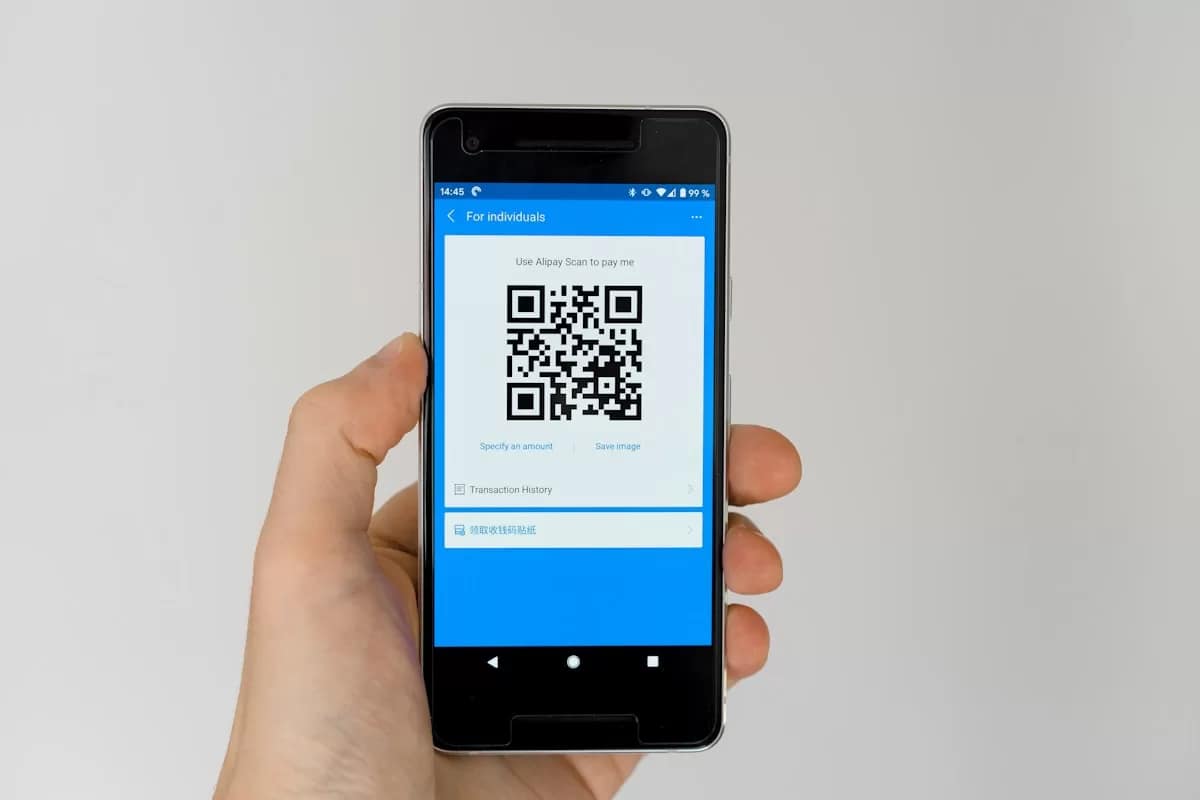
China has gone almost entirely cashless. Street food vendors, taxi drivers, temple ticket counters — everyone uses WeChat Pay or Alipay. As a foreigner, you can link your international credit card to both Alipay and WeChat Pay through their apps. Do this before you arrive — setting up payments while standing in a restaurant trying to order is not the experience you want.
What still takes cash: some small vendors in rural areas, some temple entrances, tips for guides (though tipping is not standard in China). Carry maybe 500-1,000 yuan in small bills as backup. But plan on paying for 90% of things with your phone.
The Language Question: How Bad Is It?
In Beijing, Shanghai, and Xi’an, you will find enough English speakers at hotels, major restaurants, and tourist sites to get by. Outside those cities, English becomes rare fast. In Chengdu, Guilin, and smaller towns, expect to communicate through gestures, translation apps, and pointing.
Download these apps before your tour:
- Baidu Translate — works offline if you download the language pack. Better for Chinese than Google Translate because it handles handwriting and photo translation well.
- Pleco — the best Chinese dictionary app. Download the full dictionary pack before you leave home.
- Apple Translate / Google Translate — as backup. Google services require a VPN in China, which you should set up before arrival.
The language barrier is real but manageable. Chinese people are generally patient and helpful with foreigners, and a smile plus a translation app solves most problems. The places where language really matters: medical situations (bring a card with your medical info in Chinese), train station ticket changes, and negotiating prices at markets.
Transportation: Getting Around on Your Tour
China’s transportation infrastructure is genuinely world-class. The high-speed rail network covers over 40,000 kilometers and connects every major city. Trains are clean, punctual, and affordable — a second-class seat from Beijing to Xi’an (1,200 km) costs about $80 and takes 4.5 hours.
Within cities: every major city has a metro system. Signage is in English, announcements are in English, and the apps (Apple Maps works well in China) will route you on public transit. Taxis are cheap but drivers rarely speak English — use Didi (China’s Uber) inside Alipay or WeChat, where you can enter your destination in English.
Between cities: high-speed train for distances under 1,000 km. Flight for anything longer. Domestic flights in China are reasonably priced ($50-150 for most routes) but delays are common — build buffer time into your itinerary if you are flying.
What to Pack for a China Tour
Essentials:
- Passport — you will show it at train stations, hotels, tourist sites, and sometimes random security checks. Carry it everywhere.
- VPN — set up before you arrive. Google, Instagram, WhatsApp, and many other services are blocked. ExpressVPN, Astrill, and LetsVPN are the most reliable in China as of 2026.
- Power bank — you will be using your phone for payments, maps, translation, and photos. A 10,000mAh bank is the minimum.
- Comfortable walking shoes — Chinese tourist sites involve a lot of walking. The Forbidden City alone is 72 hectares. The Great Wall involves stairs. Do not bring new shoes on this trip.
- Wet wipes and hand sanitizer — public bathrooms range from fine to challenging. Bring your own toilet paper too.
- A thermos — hot water is available everywhere (trains, hotels, stations) and it is how you make instant noodles, tea, and coffee on the go.

Common First-Timer Mistakes
Overpacking the itinerary. Three cities in five days is a recipe for exhaustion. China is bigger than you think — Beijing to Xi’an is the same distance as London to Rome. Budget your time honestly and accept that you cannot see everything in one trip.
Going during Golden Week (October 1-7) or Chinese New Year. These are the two busiest travel periods in the country. Attractions are packed, trains sell out weeks ahead, and hotel prices double. Avoid them unless you specifically want the festival experience.
Eating only at hotel restaurants. Chinese hotel breakfasts are fine, but you are in one of the world’s great food countries. Step outside and eat where the locals eat. The restaurants with plastic stools and handwritten menus are often the best ones.
Not booking tickets in advance. The Forbidden City, the Terracotta Warriors, and other major sites have daily visitor caps. Tickets sell out, especially on weekends. Book online the day before at minimum.
Assuming everywhere accepts foreign credit cards. They do not. International Visa and Mastercard work at large hotels and upscale malls, but almost nowhere else. WeChat Pay and Alipay are your primary payment methods.
The Bottom Line
A tour of China is absolutely worth doing — the country has some of the most impressive historical sites, diverse landscapes, and rewarding food on the planet. But it requires more preparation than most destinations. Set up your payment apps, arrange your visa, download your translation tools, and book your key tickets before you arrive. Do that, and the actual touring part is easier than you might think. Skip the prep work, and you will spend your first three days troubleshooting instead of exploring.
For a deeper look at what can go wrong, see 8 China tour mistakes that ruin trips at DragonRoam.
Photos courtesy of Unsplash