The Short Answer
Yes, China is one of the safest countries for tourists you’ll find anywhere. Violent crime against foreigners is extremely rare. You can walk around most cities at 2am without looking over your shoulder. The stuff that actually ruins trips — scams, food poisoning, app malfunctions — is manageable if you know what to expect.
That doesn’t mean nothing goes wrong. It means the risks are different from what most travelers imagine before they arrive. Western media paints a picture of a surveillance state full of hidden dangers. The reality is more mundane: China is safe in the ways that matter most, and occasionally frustrating in ways you don’t anticipate.
Street Safety and Violent Crime
What the Numbers Say
China’s homicide rate sits around 0.5 per 100,000 people. The United States is at 6.3. Japan — widely considered one of the world’s safest countries — sits at 0.3. You’re statistically safer walking through a Chinese city at night than through most American or European ones. Petty theft exists — pickpockets in crowded markets, bag snatching from scooters in some southern cities — but it’s not common enough to warrant constant vigilance.
Gun ownership is strictly prohibited for civilians. This alone eliminates an entire category of danger that travelers from the US, in particular, have grown accustomed to factoring in.
Where You Might Feel Unsafe (But Aren’t)
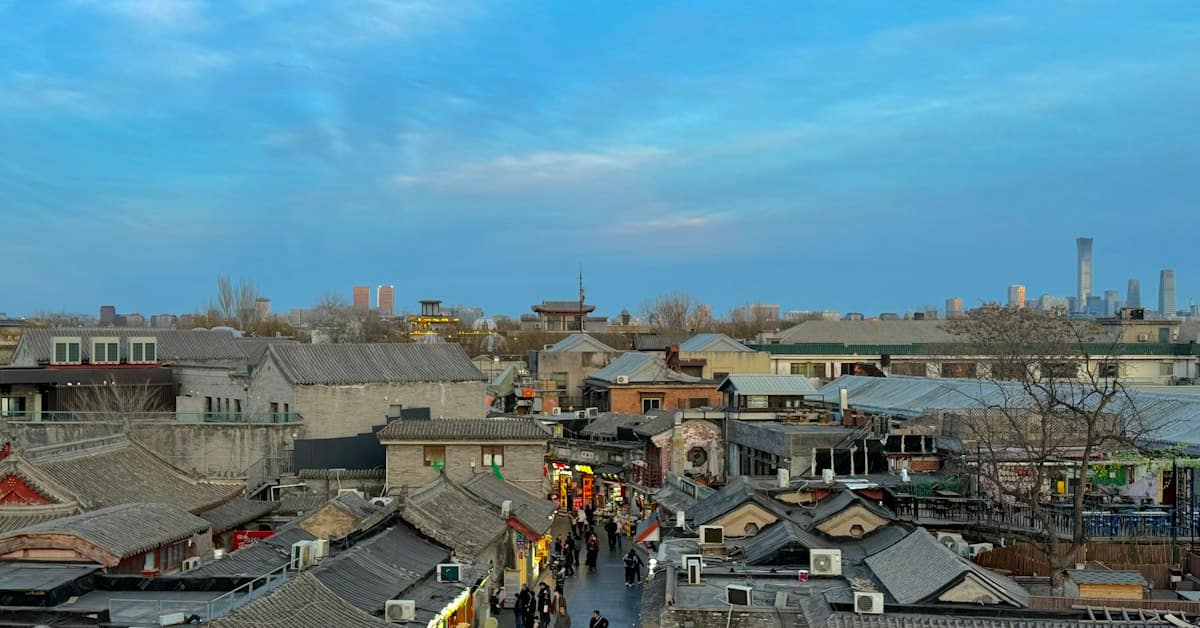
China’s big cities feel intense. Shanghai’s Nanjing Road at 10pm is a wall of neon and bodies. Beijing train stations during Spring Festival are chaos. Chengdu’s night markets heave with people cooking, eating, shouting, and livestreaming simultaneously. But feeling overwhelmed is not the same as being in danger. The crowds are families, couples, delivery drivers — not threats.
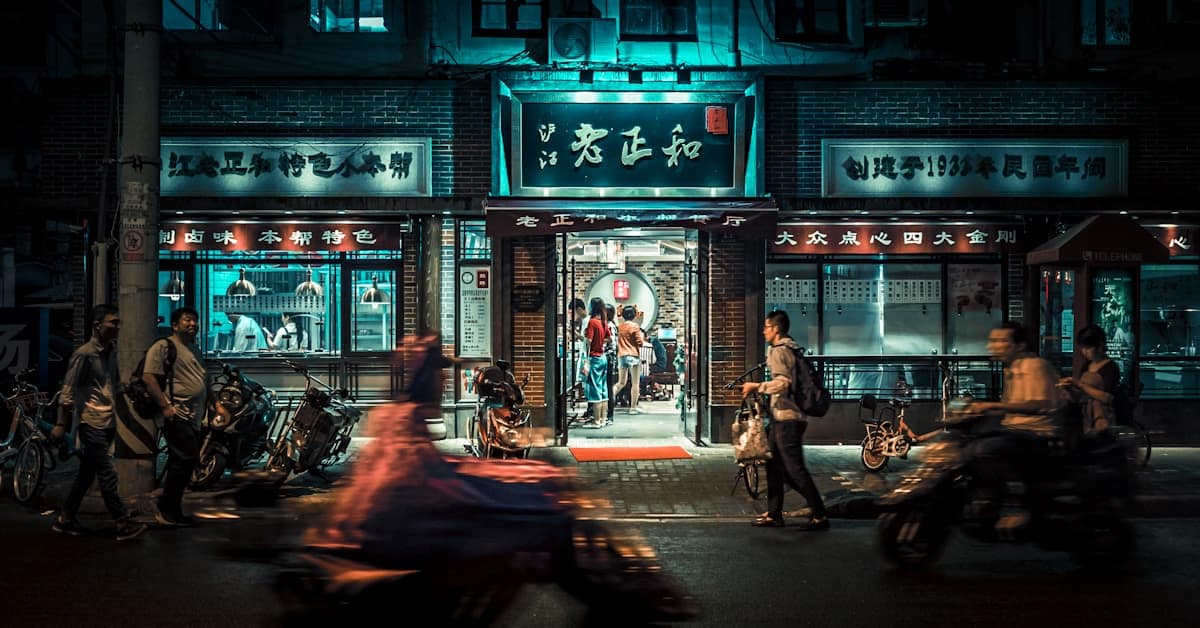
Women walking alone at night in Chinese cities report feeling safer than in most Western capitals. Street lighting is excellent. Security guards stand outside convenience stores and banks around the clock. The presence of people — even at 1am — means you’re rarely isolated.
The Real Street Danger: Traffic
The one genuine street-level concern: traffic. Chinese drivers do not consistently yield to pedestrians, even at crosswalks. E-bikes silently appear from every direction. Right turns on red are allowed in most cities, and drivers exercise this right aggressively. Look both ways, then look again. Cross with the crowd when possible. This is the thing most likely to hurt you in China, and it’s worth taking seriously.

Scams and Tourist Traps
The Tea House Scam
A friendly English-speaking stranger invites you to practice language at a tea house. You order, they order, the bill comes to 2,000 yuan. This is the oldest scam in the book and it still works, particularly around Shanghai’s People’s Square and Beijing’s Wangfujing. The fix: politely decline invitations from overly friendly strangers near tourist sites. Real Chinese people are friendly, but they don’t drag you to tea houses within five minutes of meeting you.
The Art Student Scam
Someone claims to be an art student showing their work. You end up in a tiny gallery with aggressive pressure to buy overpriced prints. Walk away. No legitimate art student operates this way. These operations target tourists near major shopping streets and temple complexes.
Taxi and Ride-Hailing Risks
Legitimate taxis in major cities are metered and safe. The problems come at train stations and tourist zones where unofficial drivers quote inflated flat rates. Use Didi (China’s Uber) whenever possible — the price is locked, the route is tracked, and you have a record. If you must take a taxi from a station, go to the official taxi queue, not the drivers calling out to you in the arrival hall. For everything else about getting around safely, our China high-speed train guide covers the reliable booking methods.
What About Fake Goods?
Markets selling counterfeit brands are everywhere. Buying them isn’t dangerous, but customs in your home country may confiscate them. Counterfeit electronics can be fire hazards. Know the risk before you buy that “Louis Vuitton” bag for 200 yuan or the “Apple” earbuds for 30.

Food and Water Safety
Street Food: Risky or Not?
Most street food in China is fine. The stalls with long lines of locals are your safest bet — high turnover means fresh ingredients. Avoid anything that’s been sitting under a heat lamp for hours, and skip raw dishes in places where hygiene looks questionable.
The real danger isn’t street food — it’s your own stomach adjusting. China uses more oil, more spice, and more unfamiliar ingredients than Western digestive tracts are used to. Sichuan peppercorns, fermented tofu, and century eggs are not gentle introductions. Pack loperamide and rehydration salts. They will save your trip at some point.
Tap Water
Don’t drink it. Not in hotels, not in apartments, not filtered through a cheap pitcher you bought at a supermarket. The issue isn’t just bacteria — old building pipes can leach heavy metals. Boiled water is provided free in most hotels and train stations — this is normal and safe. Or just buy bottled water; it’s 2 yuan for a 500ml bottle at any convenience store. Check that the seal is intact before opening.
Restaurant Hygiene
Restaurants with an “A” rating displayed are your best bet. The food safety grading system (A, B, C) is posted at the entrance of every licensed restaurant in major cities. C-grade restaurants aren’t necessarily dangerous, but you’re rolling dice. Avoid restaurants where the bathroom is filthy — if they don’t care about the bathroom you can see, imagine the kitchen you can’t. For a deeper dive into what to eat safely, see our top 15 China travel tips.
Allergies and Dietary Restrictions
If you have serious food allergies, China is challenging. Peanut oil is used widely. Cross-contamination is the norm, not the exception. Carry an allergy card in Chinese characters explaining your restrictions. Gluten-free and halal options exist but are not common outside Muslim-majority areas like Xinjiang and Ningxia.
Natural Disasters and Weather Risks
Earthquakes
Western Sichuan, Yunnan, and parts of Gansu sit on active fault lines. If you’re visiting these regions, know the basic earthquake protocol: drop, cover, hold on. Most hotels in seismic zones have evacuation maps in rooms. The 2008 Sichuan earthquake was catastrophic, but such events are rare. Smaller tremors happen regularly and locals treat them as non-events.
Typhoons
The southeast coast (Shanghai, Guangzhou, Fujian, Hainan) gets typhoons from July to October. Flights cancel, trains stop, and you might be stuck in a hotel for two days. The infrastructure handles typhoons well — buildings are engineered for it, and the warning systems are prompt. Check weather apps before booking coastal travel during these months.
Flooding
Summer rains in central and southern China can cause serious flooding. In 2020, the Yangtze basin saw some of the worst floods in decades. Roads wash out, train lines suspend service, and low-lying neighborhoods become impassable. If you’re traveling in July or August, keep an eye on local weather alerts and have backup plans for transport.
Altitude Sickness
If your itinerary includes Tibet, Qinghai, or high-altitude parts of Sichuan and Yunnan, altitude sickness is a real risk. Lhasa sits at 3,650 meters. Symptoms range from headaches and nausea to life-threatening fluid buildup in the lungs. Ascend gradually, stay hydrated, and take the first two days easy. Most hotels in high-altitude areas supply supplemental oxygen.
Digital Safety and Surveillance
Cameras Everywhere
China has one of the world’s most extensive surveillance networks. You’re being filmed constantly — on streets, in malls, in train stations, in taxis. For most tourists, this is a background fact, not a threat. The cameras are aimed at crime, not at you specifically. The practical upside: if your bag is stolen, there’s a decent chance police can track it on camera.
VPNs and Internet Access
Google, Facebook, Instagram, WhatsApp, and many news sites are blocked. Install a reliable VPN before you arrive — setting one up from inside China is harder because VPN websites are blocked too. ExpressVPN, Astrill, and LetsVPN are the most commonly used by expats. Connection quality varies; have a backup VPN and download offline maps before you go.
Payment Security
Alipay and WeChat Pay are more secure than carrying large amounts of cash. Both use biometric authentication and transaction records. Cash is still accepted but increasingly inconvenient — small vendors and some taxis don’t carry change. If you haven’t set these up yet, our guide to Alipay and WeChat Pay for foreigners walks you through it step by step.
Phone Theft
Phone snatching is rare in China compared to cities like London or Paris, but it happens. More commonly, phones are left behind in taxis or restaurants. Enable remote tracking and remote wipe before your trip. Didi records your ride details, making it easier to recover items left in cars.

What Actually Worries Travelers
Language Barrier
This is the number one source of anxiety, and it’s legitimate. Outside major hotels and tourist sites in tier-1 cities, English is rare. Taxi drivers don’t speak it. Waiters don’t speak it. Hospital receptionists don’t speak it. Download a translation app (Baidu Translate works better than Google Translate in China). Screenshot your hotel address in Chinese characters. Learn to say “Where is the toilet?” (cesuo zai nali?) — this single phrase will save you more stress than anything else.
Medical Emergencies
Major cities have international clinics with English-speaking doctors. Beijing United Family Hospital, Shanghai’s ParkwayHealth, and similar facilities in Guangzhou and Chengdu provide Western-standard care. The quality is good. The cost can be high — a routine consultation runs 800-1,500 yuan. Travel insurance is not optional for China. Make sure your policy covers medical evacuation, because rural hospitals may not meet your standards and serious conditions sometimes require transfer to a major city.
Political Sensitivity
Avoid political discussions with strangers. Don’t photograph military installations or police operations. Social media posts about sensitive topics can cause problems at border crossings on future visits. This isn’t paranoia — it’s practical advice for staying under the radar during a vacation. You’re a tourist, not an activist. Enjoy the dumplings.
Hotel Registration
Every hotel in China must register foreign guests with the local police. This is automatic and you don’t need to do anything beyond showing your passport at check-in. Some budget hotels and hostels in smaller cities don’t have the license to accept foreigners — they’ll simply tell you they’re full or don’t accept foreign guests. For reliable options in every price range, check our China hotel guide for foreigners.
Solo Female Travel
China ranks among the better destinations for solo female travelers. Street harassment is uncommon. Catcalling happens occasionally but is rare compared to Southern Europe or Latin America. Women walk alone at night in most cities without issue. The main frustration: some men in bars and clubs can be persistent, and the language barrier makes it harder to shut down unwanted attention. A firm “bu” (no) usually suffices.
The Bottom Line
China is safe. The things that might actually hurt you — traffic, bad street food, typhoons — are the same things that could go wrong in any large country. The things people worry about most — violent crime, terrorism, kidnapping — are extraordinarily rare. Prepare for the real risks, not the imagined ones. Read up on the visa requirements, set up your payment apps, download your translation tools, and go. You’ll be fine.
Photos courtesy of Unsplash