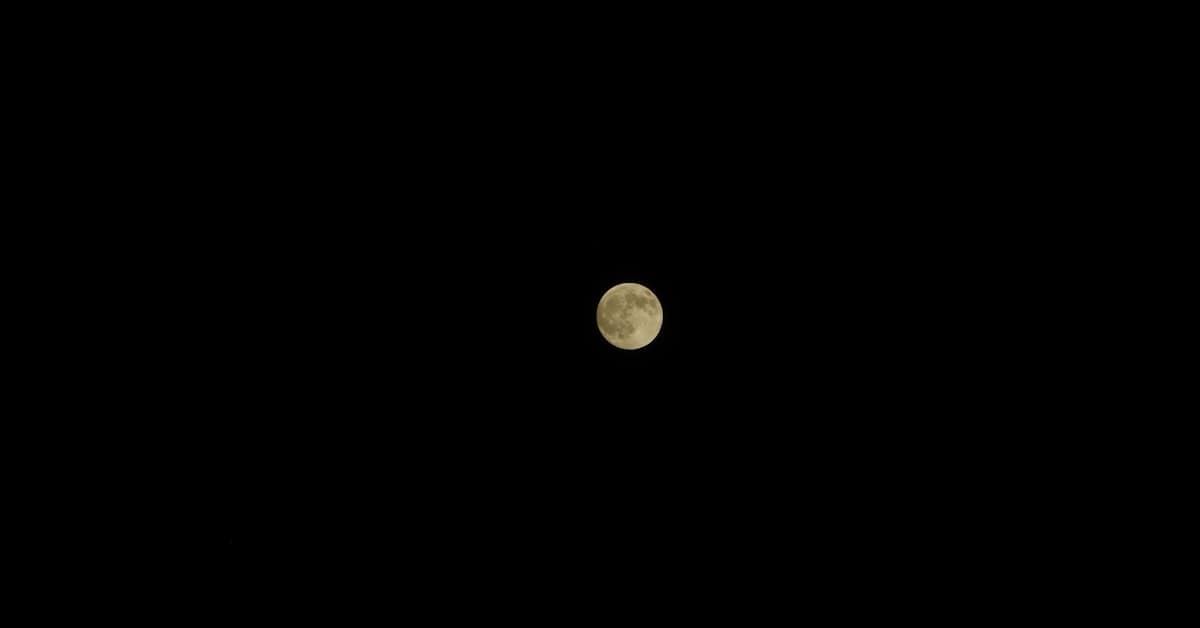
September is the single best month to visit China — but with three specific asterisks attached. The weather is the mildest of the year across most of the country, the high-altitude west is at its peak, and Mid-Autumn Festival (September 25, 2026) is the most photogenic festival of the Chinese calendar. The asterisks: the first week of September is still summer-crowded with domestic travelers, Mid-Autumn itself brings a 3-day domestic travel spike, and the National Day Golden Week (October 1-7) absorbs the last few days of September with massive pre-holiday crowds. Get the timing right and September is unmatched. Get it wrong and you’ll wonder why everyone said it was the best month.
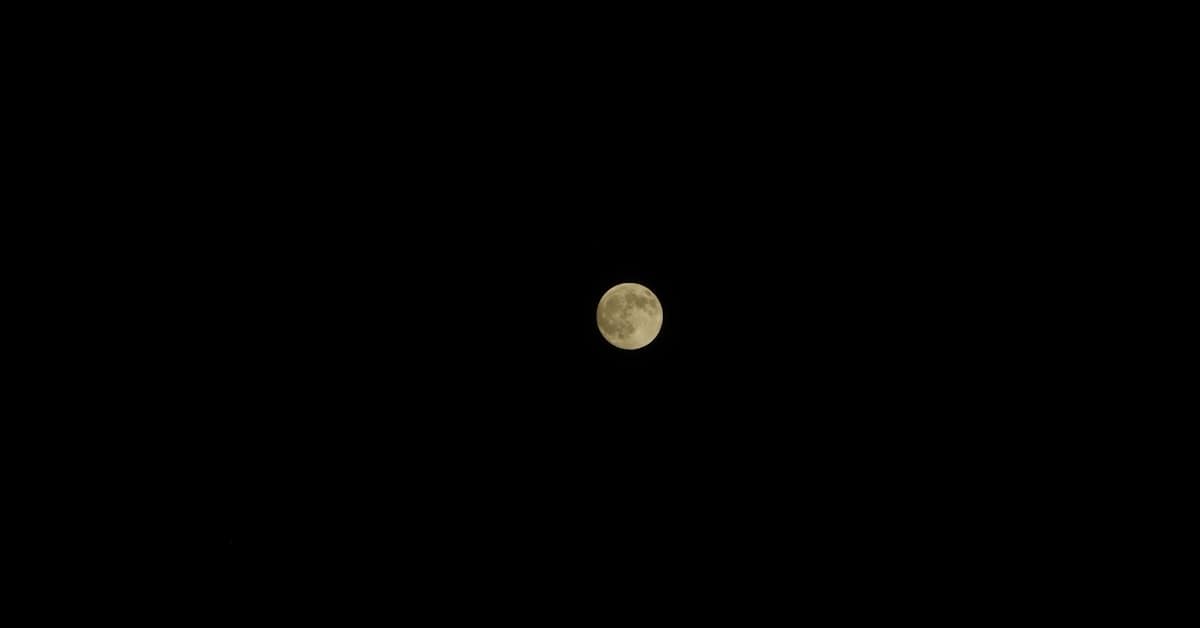
The Quick Verdict: Why September Wins
September sits in the sweet spot between the brutal heat of July-August and the crushing crowds of October’s Golden Week. Daytime temperatures in most cities drop from 32-35°C in August to 22-28°C in September. Humidity drops with them. The afternoon thunderstorms that dominate July-August in southern China fade out by mid-September. And while the domestic travel market is still active with school-holiday tail-end traffic in the first week, by mid-September the tourist density at major attractions drops by roughly 40-50% compared to August.
The three things that make September imperfect:
- First week still feels like August. Schools don’t fully resume until September 5-10 in most provinces, and the heat takes a few days to break. Plan your arrival for September 8 or later if you have flexibility.
- Mid-Autumn Festival (September 25, 2026) brings a 3-day domestic travel spike. Hotels in popular destinations (Hangzhou, Suzhou, Lijiang) sell out 2-3 weeks ahead. Plan around it or lean into it.
- Last 3-4 days of September merge into National Day Golden Week preparation. By September 27-28, domestic travelers are already positioning for the October 1-7 holiday. Avoid this window.
That leaves September 8-24 as the actual sweet spot — 16 days of mild weather, low crowds, and the festival as the closer. For broader month-by-month context, the best time to visit China guide ranks September against the other 11 months.
Weather by Region in September
September’s weather varies more by region than any other month. The country transitions from summer monsoon to autumn dry season across the month, and the transition happens at different times in different places. Here’s what to actually expect.
Beijing and North China
- Temperature: 14-26°C, with the high dropping from 28°C in early September to 22°C by month-end
- Rain: Light, decreasing through the month. Afternoon thunderstorms possible in the first week, dry by the third week
- Air quality: Generally good — the cleanest window of the year before winter coal-burning returns in November
- UV: Strong but not dangerous. Sunscreen still needed; the marble courtyards at the Forbidden City still reflect heat in the first week
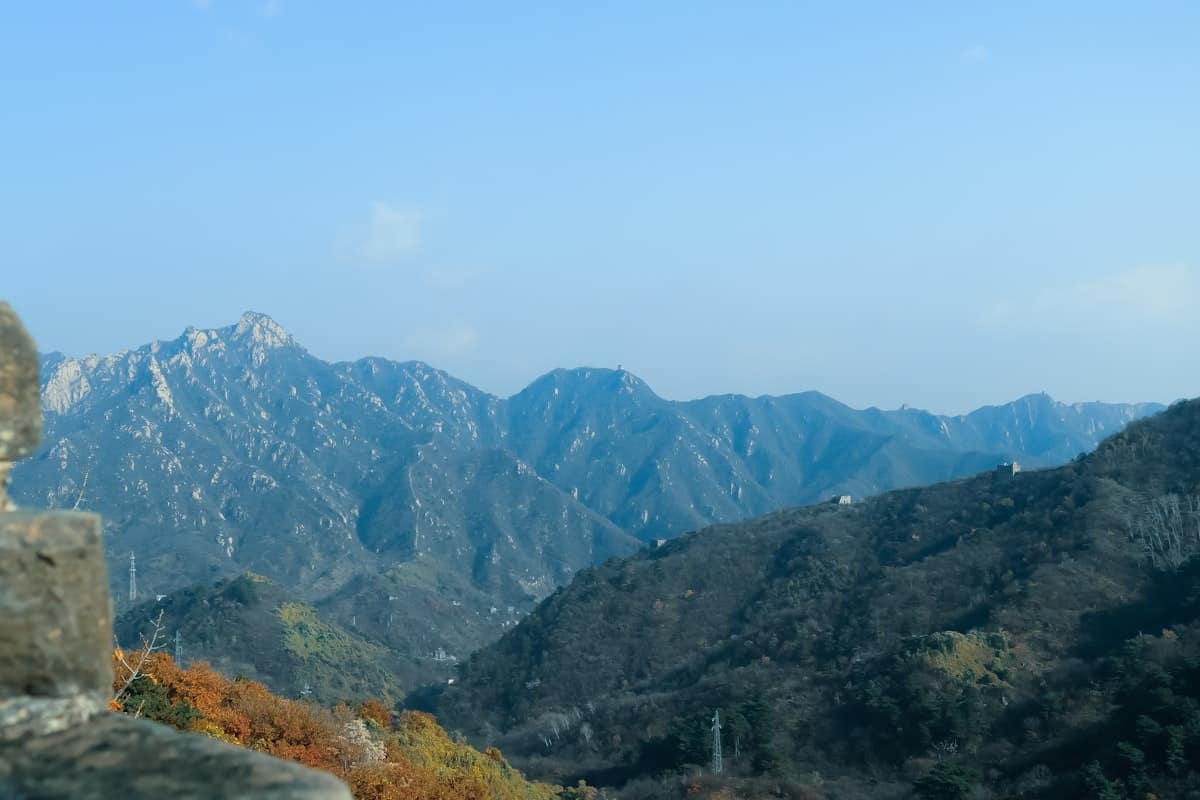
- Best for: All major outdoor sightseeing. The Great Wall at Mutianyu is at its most photogenic with clear autumn light
Shanghai and East China
- Temperature: 20-28°C, dropping steadily through the month
- Rain: Moderate, intermittent. The plum rain season is long over; typhoons are still possible in the first two weeks but diminish sharply
- Humidity: Drops from 80%+ in August to 60-70% by mid-September. The relief is physical — you’ll notice it walking out of the airport
- Best for: City walking, water towns (Suzhou, Hangzhou), the Bund at night without the sweat
Chengdu and Sichuan Basin
- Temperature: 17-25°C, with overcast days common
- Rain: Frequent light rain, especially in the second half of the month. Bring the umbrella
- Best for: Pandas (most active in cooler weather), Mount Qingcheng, Leshan Giant Buddha
Yunnan and the Southwest
- Temperature: 12-22°C in Lijiang and Dali; 15-24°C in Kunming. Cool at night — bring a fleece
- Rain: Wet season tail-end in the first two weeks, then dry. The Tiger Leaping Gorge trail is at its best in late September
- Best for: The plateau circuit (Kunming → Dali → Lijiang → Shangri-La). September is the peak month for this route
Tibet and the High Plateau
- Temperature: 5-18°C in Lhasa, dropping below freezing at night above 4,000m
- Rain: End of the rainy season. Roads to Everest Base Camp and Namtso Lake are at their most passable
- Best for: The single best month of the year for the Tibetan plateau. Clear skies, comfortable daytime temperatures, and minimal rain. Plan and book 3-4 weeks ahead for permits
South China (Guangzhou, Shenzhen, Hainan)
- Temperature: 24-31°C, still warm
- Rain: Typhoon tail-risk in the first two weeks. By the third week, typhoon season is essentially over
- Best for: Coastal areas and Hainan beaches, but only in the second half of the month
Mid-Autumn Festival 2026: What to Actually Expect
Mid-Autumn Festival (Zhongqiu Jie) falls on September 25, 2026 — the 15th day of the 8th lunar month. The official public holiday is a 3-day window (September 25-27 in 2026), often combined with weekend adjustment. It is the second-most important family holiday in the Chinese calendar after Spring Festival, but for travelers it is far more accessible: no train-ticket chaos like Spring Festival, no widespread closures, and the festival itself is genuinely photogenic.
What’s open, what’s not
- Major attractions: All open. Mid-Autumn is not a closure holiday
- Museums: Open, sometimes with extended hours
- Small family-run restaurants: Some close for 1-2 days. International hotel restaurants stay open
- Transport: High-speed trains and flights run normally but sell out 2-3 weeks ahead for popular routes
- Hotels: Premium pricing for the 3-day window in festival-popular destinations (Hangzhou, Suzhou, Lijiang, Yangshuo)
The mooncake economy
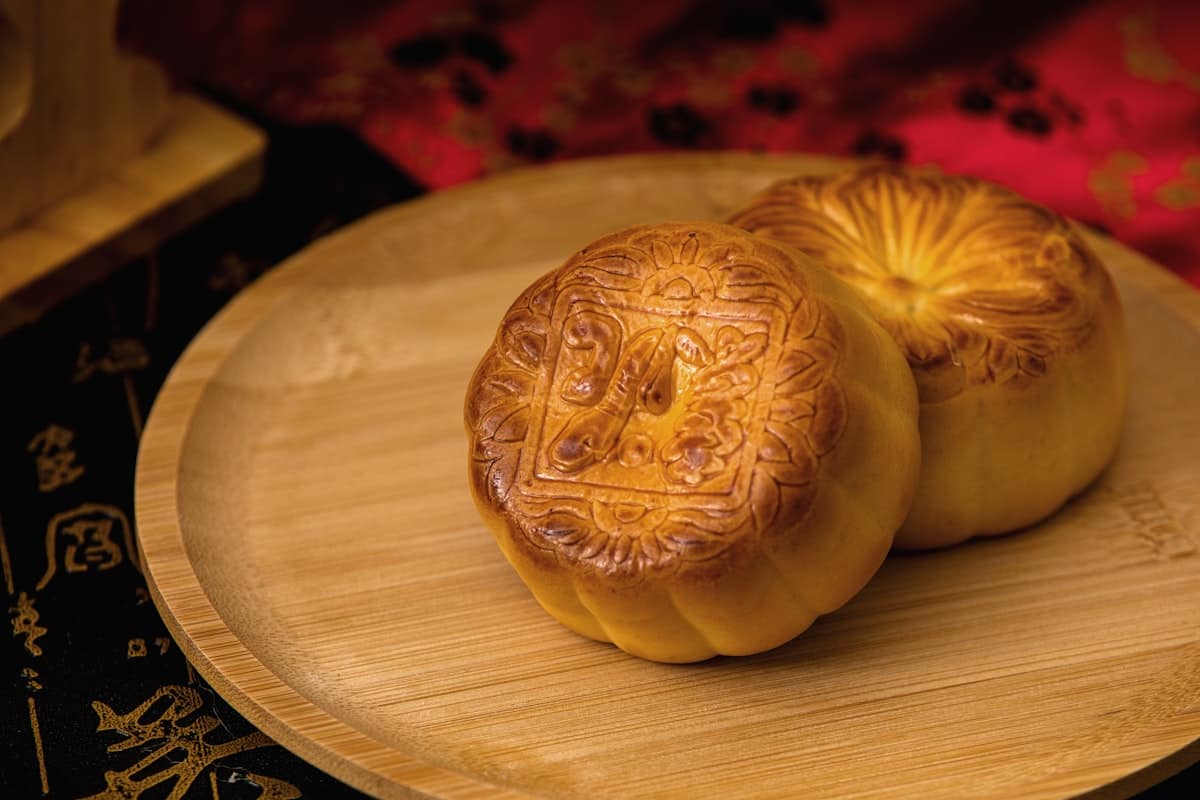
For 2-3 weeks before the festival, every hotel, department store, and convenience store sells mooncakes in elaborate gift boxes. The mooncake business in China is roughly $4 billion USD annually, and the packaging arms race is real — you’ll see boxes that look like jewelry cases, complete with LED lighting.
For travelers: the best mooncakes come from local bakeries, not hotel gift boxes. Ask at your hotel or hostel for the nearest traditional bakery. A single mooncake costs 10-30 yuan; a gift box from a hotel can run 200-800 yuan for the same quantity. The flavors are dramatically different — traditional Cantonese mooncakes (lotus seed paste with salted egg yolk) are the most accessible to Western palates; modern flavors (chocolate, matcha, ice cream) are increasingly common but feel like a different dessert entirely.
Where to be for the festival itself
If you have flexibility, the most atmospheric places to spend Mid-Autumn evening in China:
- Hangzhou West Lake: The classic — moon-viewing over the lake with lantern-lit boats. Book a hotel with a lake view 3+ months ahead
- Suzhou gardens: Smaller, more intimate. The Master of the Nets Garden often hosts evening lantern events
- Lijiang Old Town: The Naxi minority Mid-Autumn traditions are distinctive — bonfires, traditional dancing in the town squares
- Any rooftop bar in Shanghai or Beijing: Less traditional, more accessible. The Bund rooftop bars in Shanghai run Mid-Autumn cocktail menus; the moon rises over Pudong around 7:30pm in late September
Where to Go in September: 5 Routes That Work
Route 1: Beijing + Chengdu + Lijiang (12-14 days)
The classic September route. Three days in Beijing (Forbidden City, Great Wall, hutongs), three days in Chengdu (pandas, Mount Qingcheng, hotpot), then fly to Lijiang for the Yunnan plateau finisher. This works because each city is at its best in September and the high-speed train + flight connections are easy. The full routing logic is in the family summer trip guide — September is when this route becomes ideal rather than just survivable.
Route 2: Tibet + Sichuan (10-12 days)
Lhasa (3-4 days), Namtso Lake (1-2 days), fly to Chengdu (3 days). September is the peak month for the Tibetan plateau — clear skies, dry roads, comfortable temperatures. The Tibet Travel Permit application process takes 3+ weeks; book 4+ weeks ahead. For permit details, see the Tibet travel permit guide.
Route 3: Shanghai + Suzhou + Hangzhou (7-9 days)
The classic Jiangnan circuit — Shanghai as the entry/exit, Suzhou for classical gardens and water towns, Hangzhou for West Lake. All three are at their best in September. Mid-Autumn evening on West Lake is one of the iconic images of Chinese travel. Avoid the Mid-Autumn 3-day window (September 25-27) if you can — premium pricing and peak crowds.
Route 4: Yunnan Loop (10-12 days)
Kunming → Dali → Lijiang → optional Shangri-La extension. The Yunnan plateau circuit is at its peak in September — the wet season is ending, temperatures are ideal, and the Tiger Leaping Gorge trail is in its best condition of the year. See the China in July guide for the broader southwest context — September is when this route goes from “doable” to “ideal”.
Route 5: Beijing-only (4-5 days)
For travelers with limited time. Beijing in mid-September is the most pleasant it gets all year — the August heat has broken, the October Golden Week crowds haven’t arrived, and the air quality is at its cleanest. Do the Forbidden City, Great Wall, hutongs, and 798 Art District at a relaxed pace. The Beijing 7-day itinerary covers the full structure; you can compress days 1-7 into 4-5 days by dropping the day trip and rest day.
What to Pack for September
September is a transition month — pack for two seasons in one trip. The full summer packing list in the China summer packing guide covers most of it; here’s what’s different in September:
- Drop the electrolyte tablets. September heat is mild enough that regular hydration handles it. Pack 3-4 sachets as backup, not a full supply
- Add a fleece or light down jacket. For Yunnan, Tibet, and high-altitude Sichuan evenings. Night temperatures in Lijiang drop to 8-10°C by late September
- Keep the umbrella. Sichuan and Yunnan still get rain in September. Beijing and Shanghai dry out
- Lighter on quick-dry shirts. 2-3 instead of 4. Cotton works again in September — the humidity is gone in most cities
- Long pants become comfortable. The misery of long pants in August heat is over. Bring 2 pairs of travel pants, 1 pair of jeans for evenings
September vs October: The Trade-Off Most Guides Skip
October is technically the best weather month, but September is the best month to actually visit. The difference is crowds. National Day Golden Week (October 1-7) brings 800+ million domestic trips in a 7-day window — every major attraction in China is at peak density, hotels run 2-3x normal rates, and the high-speed trains sell out the moment booking opens 15 days ahead.
The trade-off:
- September weather: Slightly warmer than October, occasional rain in the south, no typhoon risk by mid-month
- October weather (post-Golden Week, October 8+): Cool, dry, clear. The single best weather window of the year — but you have to wait out Golden Week
- September crowds: Moderate. The first week is still busy; the middle two weeks are quiet; Mid-Autumn brings a 3-day spike
- October crowds: Brutal for the first 7 days, then quiet for the rest of the month
The honest verdict: If you can only pick one, pick September 8-24. You get 90% of October’s weather, 50% of October’s crowds, and you avoid the Golden Week gamble entirely. If you have flexibility and can wait out Golden Week, October 10-25 is slightly better — but only slightly, and the wait costs you a week of your trip.
Practical Logistics for September Travel
Booking windows
- Train tickets: Book 15 days ahead at 9am Beijing time. September is busy but not impossible — the Kunming-Lijiang and Beijing-Shanghai lines sell out within hours of opening, but less popular routes have day-before availability
- Hotels in festival cities: Hangzhou, Suzhou, Lijiang, Yangshuo — book 3+ weeks ahead for the Mid-Autumn window (September 25-27). Outside that window, 1-2 weeks ahead is fine
- Tibet Travel Permit: Apply 3-4 weeks ahead through a licensed agency. Permit issuance is reliable in September but quota-limited
- Major attraction tickets: Forbidden City, Terracotta Warriors, Zhangjiajie — book 5-7 days ahead through official WeChat mini-programs
What September is not good for
- Hainan beaches: Still warm but the first two weeks carry typhoon risk. Wait until October if beaches are the primary goal
- Harbin and the northeast: Already cold by mid-September (5-15°C). Better in winter for the Ice Festival or in summer as an escape from southern heat
- Xinjiang: Beautiful in September but travel permit complexity and distance from major hubs make it logistically heavy. Worth it for serious travelers; skip for first-timers
China in September: Frequently Asked Questions
Q: Is September a good time to visit China?
Yes — September is the single best month. August heat breaks (32-35°C drops to 22-28°C), humidity drops, the high-altitude west peaks, and Mid-Autumn Festival on September 25 brings photogenic cultural events. Avoid the first week, the Mid-Autumn 3-day window (Sep 25-27), and the last 3-4 days (absorbed into Golden Week prep). Sweet spot: September 8-24.
Q: When is Mid-Autumn Festival 2026?
September 25, 2026 — the 15th day of the 8th lunar month. Public holiday: September 25-27. Second-most important family holiday after Spring Festival, but accessible to travelers: no closures, normal transport, photogenic festival.
Q: What is the weather like in China in September?
Varies by region. Beijing: 14-26°C, light rain, good air. Shanghai: 20-28°C, intermittent rain, humidity drops. Chengdu: 17-25°C, frequent light rain. Yunnan: 12-22°C, wet season ending. Tibet: 5-18°C in Lhasa, freezing at altitude. South China: 24-31°C, typhoon tail-risk in first two weeks.
Q: September or October?
September 8-24. October weather is slightly better but the first 7 days are Golden Week (800+ million domestic trips, peak crowds, 2-3x hotel rates). September gives 90% of October’s weather at 50% of the crowds. October 10-25 is slightly better if you can wait out Golden Week — but the wait costs a week.
Q: Where should I go in September?
Five routes: (1) Beijing + Chengdu + Lijiang 12-14 days. (2) Tibet + Sichuan 10-12 days (book permits 3-4 weeks ahead). (3) Shanghai + Suzhou + Hangzhou 7-9 days (ideal for Mid-Autumn on West Lake). (4) Yunnan Loop 10-12 days (Tiger Leaping Gorge at its best). (5) Beijing-only 4-5 days (most pleasant weather of the year).
Q: What should I pack for September?
Pack for two seasons. Drop electrolyte tablets. Add fleece or light down jacket for Yunnan/Tibet/high-altitude Sichuan evenings (8-10°C in Lijiang by late September). Keep umbrella for Sichuan/Yunnan rain. Lighter on quick-dry shirts (cotton works again). Long pants become comfortable.
For the year-round context and how September ranks against the other 11 months, see the best time to visit China guide. For the months before and after, the China in August guide covers what you’re leaving behind, and the October guide (coming soon) covers what to expect if you wait out Golden Week.
Photos courtesy of Unsplash.
One thought on “China in September 2026: Best Weather, Mid-Autumn, and the Crowds to Avoid”