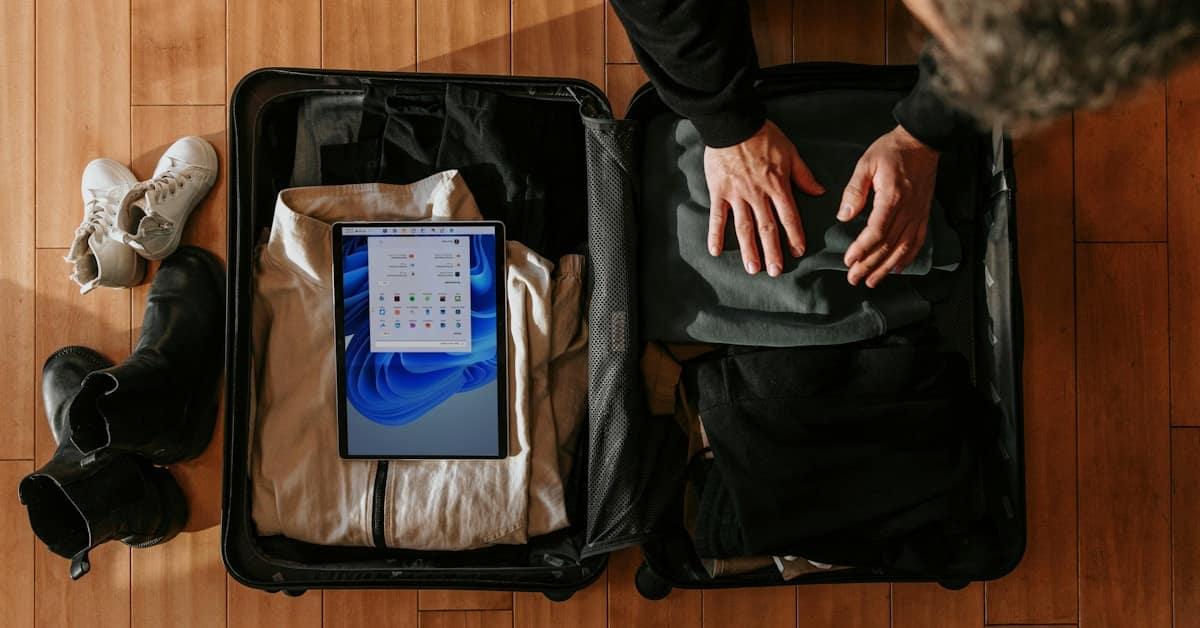
Most China packing lists are written by people who have never tried to buy deodorant in Guiyang or find toothpaste without whitening agents in Kunming. The reality is simpler than most guides make it: pack light, pack specific, and leave room for the things you will buy there. China has everything you need — except the specific brands and formulations you are used to. Here is what actually matters.
The Non-Negotiables: What to Pack No Matter the Season
Some items belong in your bag regardless of whether you are visiting Harbin in January or Guangzhou in August. These are the things that are hard to find, expensive to import, or functionally different in China.
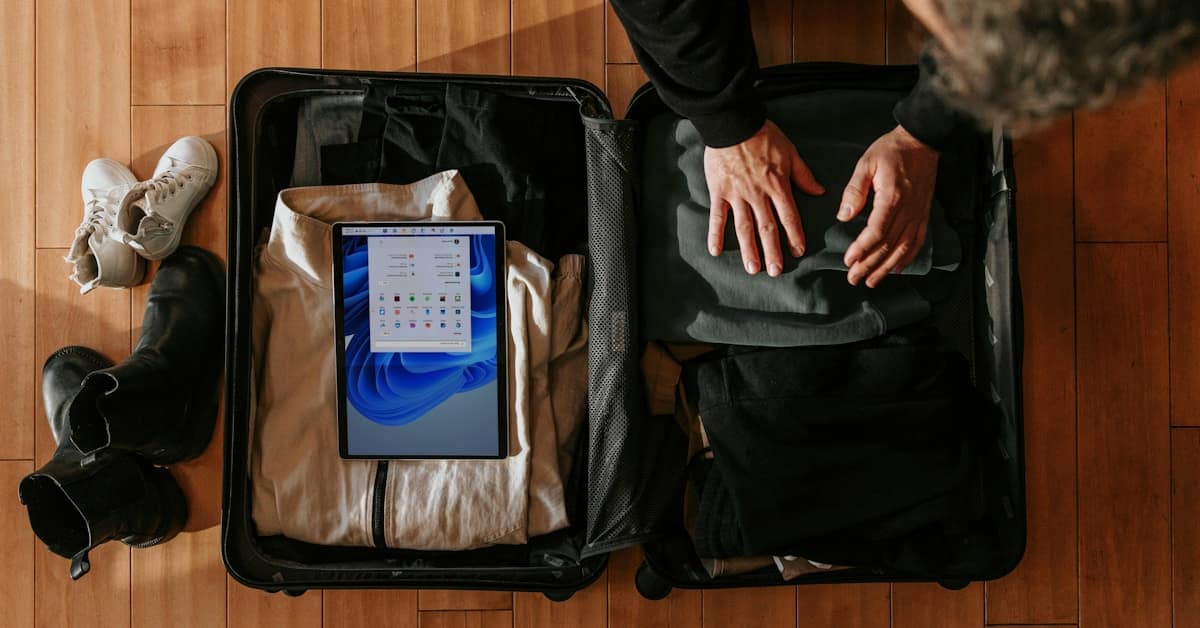
Electronics and Connectivity
- Universal power adapter: China uses Type A (flat blades, like the US) and Type I (angled blades, like Australia/New Zealand). If you are coming from Europe or the UK, bring an adapter. If you are coming from the US or Japan, your plugs will work in most outlets.
- Power bank (10,000 mAh minimum): You will use your phone more in China than anywhere else — for payments, navigation, translation, ride-hailing, and train tickets. A dead phone in China is not just inconvenient; it can leave you unable to pay for anything. A 10,000 mAh bank gives you 2–3 full charges and fits in a pocket.
- VPN installed and tested: Not negotiable. Install it before you land. The China VPN guide covers which ones still work as of 2026.
- Offline maps downloaded: Maps.me or OsmAnd with China maps saved. Google Maps requires a VPN and even then drops offline when the connection lags.
Health and Hygiene
- Prescription medications (original packaging): Bring enough for your entire trip plus a few extra days. Chinese pharmacies do not carry many Western prescription drugs, and getting a local prescription requires a hospital visit. Keep medications in their original labeled containers — customs occasionally checks.
- Over-the-counter basics: Ibuprofen, antihistamines, antidiarrheal (Imodium), and a basic first-aid kit. Chinese pharmacies sell these, but the brands are different and the packaging is in Chinese. If you get sick at 2am, you want something you recognize.
- Deodorant: Chinese stores carry limited deodorant options, and many are whitening or “brightening” formulations that leave residue. Bring your own stick — it takes almost no space and you will not find your usual brand.
- Sunscreen (SPF 50+): Available in China, but most formulations are whitening (contain niacinamide) and leave a white cast on darker skin. Bring your own if you have a preferred formula. The UV index in western China exceeds 12 in summer.
Seasonal Packing: What Changes by When You Go
Summer (June–August): The Furnace Months
If you are traveling during summer, the packing list shifts toward heat survival. See the China in July guide for the full breakdown, but the essentials:
- UPF 50+ long-sleeve shirt: Standard among Chinese summer travelers. Protects better than sunscreen and you will not reapply every two hours.
- Compact umbrella: Dual-purpose for sun and rain. Available everywhere in China for 15–20 yuan, but having one from day one saves you from the first downpour.
- Moisture-wicking everything: Cotton becomes a liability in 38°C humidity. Synthetic blends or merino wool base layers dry faster and do not hold odor.
- A light layer for air conditioning: Chinese malls, trains, and hotel lobbies run AC aggressively. The temperature difference between the street (38°C) and a restaurant (18°C) can trigger a chill.
Winter (December–February): The Cold Is Real
- Thermal base layers: Northern China gets genuinely cold — Beijing regularly hits -10°C in January, and indoor heating in older buildings is inconsistent.
- A proper insulated jacket: Not a fashion coat — something rated for sub-zero. Uniqlo HeatTech plus a down jacket is the standard combo.
- Hand warmers: You can buy them at any convenience store in northern China (5 yuan for a pack), but if you are arriving late at night in Harbin, having a few in your luggage from the start is worth the space.

What to Leave at Home (and Why)
Overpacking for China is more common than underpacking. Here is what you do not need:
- Cash — lots of it: Bring 1,000–2,000 yuan as backup, but WeChat Pay and Alipay handle 95% of transactions. Carrying large amounts of cash marks you as a target and is unnecessary.
- Travelers checks: Nobody in China accepts them. This is not 2005.
- Too many shoes: Two pairs maximum — one comfortable walking shoe and one that works for dinner. Chinese cities involve a lot of walking, and you will not wear the third pair.
- A giant DSLR camera: Unless you are a photographer, your phone is enough. DSLRs attract attention, add weight, and most of the photos you will take are of food and street scenes that look better on a phone anyway.
- Disposable toiletries: Every Chinese hotel provides toothbrush, toothpaste, comb, slippers, and shampoo. Even budget ones. You do not need to bring your own.
What to Buy in China (Cheaper and Better Than Home)
Some items are significantly cheaper or better quality in China than in Western countries. Save the luggage space and buy these after you arrive:
- Phone cases and accessories: Taobao and physical markets sell cases for 15–30 yuan that cost $20–30 at home. Same quality, sometimes better designs.
- Portable fans: The clip-on phone fans and handheld USB fans are everywhere in summer for 10–25 yuan. Far cheaper than importing.
- Tea: If you drink tea, buy it in China. The quality-to-price ratio is unmatched. Visit a tea market (not a tourist tea shop) and taste before you buy.
- Slip-on shoes: Chinese shoe stores carry affordable, comfortable options. You will be taking your shoes off a lot — at temples, some restaurants, and traditional accommodations.
- Snacks for the train: Every train station has a convenience store. Do not pack snacks from home; buy them there. The selection is better and the prices are lower.
The Packing List Quick Reference
| Category | Pack | Buy There | Leave Home |
|---|---|---|---|
| Electronics | Power bank, adapter, VPN, offline maps | Phone case, cable (if lost) | DSLR (unless pro) |
| Health | Prescriptions (original packaging), ibuprofen, Imodium | Cold medicine, band-aids, hand warmers | Full first-aid kit |
| Hygiene | Deodorant, sunscreen (SPF50+), contacts + glasses | Shampoo, toothbrush (hotels provide) | Travelers checks, excess cash |
| Clothing | 2 pairs shoes, layers, UPF shirt (summer), thermals (winter) | Umbrella, slippers, cheap tees | Third pair of shoes, bulky jackets (buy Uniqlo) |
| Documents | Passport, visa printout, insurance card, hotel addresses in Chinese | — | Paper maps, guidebooks |
One last thing: pack a small day bag that fits your power bank, umbrella, passport, and phone. You will carry this every day. Keep it light — every extra gram matters when you are walking 15,000–25,000 steps a day in Chinese cities, which is normal for tourists. The budget guide has more on keeping your daily carry cost-effective.
3 thoughts on “China Packing List 2026: What to Bring, What to Leave, and What to Buy There”