Yunnan is China’s most diverse province by almost any measure — geography, climate, ethnicity, food. It also rewards a longer, slower trip than almost anywhere else in the country, and punishes the visitor who tries to compress it into a four-day “Lijiang Old Town and one waterfall” itinerary. Most first-time visitors don’t realize how much altitude they’ll be gaining, how big the region actually is, or that the high-speed rail upgrade in late 2023 fundamentally changed which routes are realistic. This is the guide I’d give a friend planning their first Yunnan trip — what to do, what to skip, and which warnings are real.
The Classic Route: Kunming → Dali → Lijiang → Shangri-La
This is the trip most first-time visitors should do, and it’s now doable entirely by high-speed rail. The Lijiang–Shangri-La line opened at the end of 2023, replacing a 4-hour mountain bus ride with a 1-hour 20-minute train. That single change is what makes a 7-day Yunnan loop genuinely realistic now without any flights inside the province.
Suggested 7–9 day pacing
- Days 1–2: Kunming. Arrival + acclimatization (the city is at 1,890m). Western Hills and Dragon Gate, Stone Forest day trip by C-class train. Full detail in the Kunming travel guide.
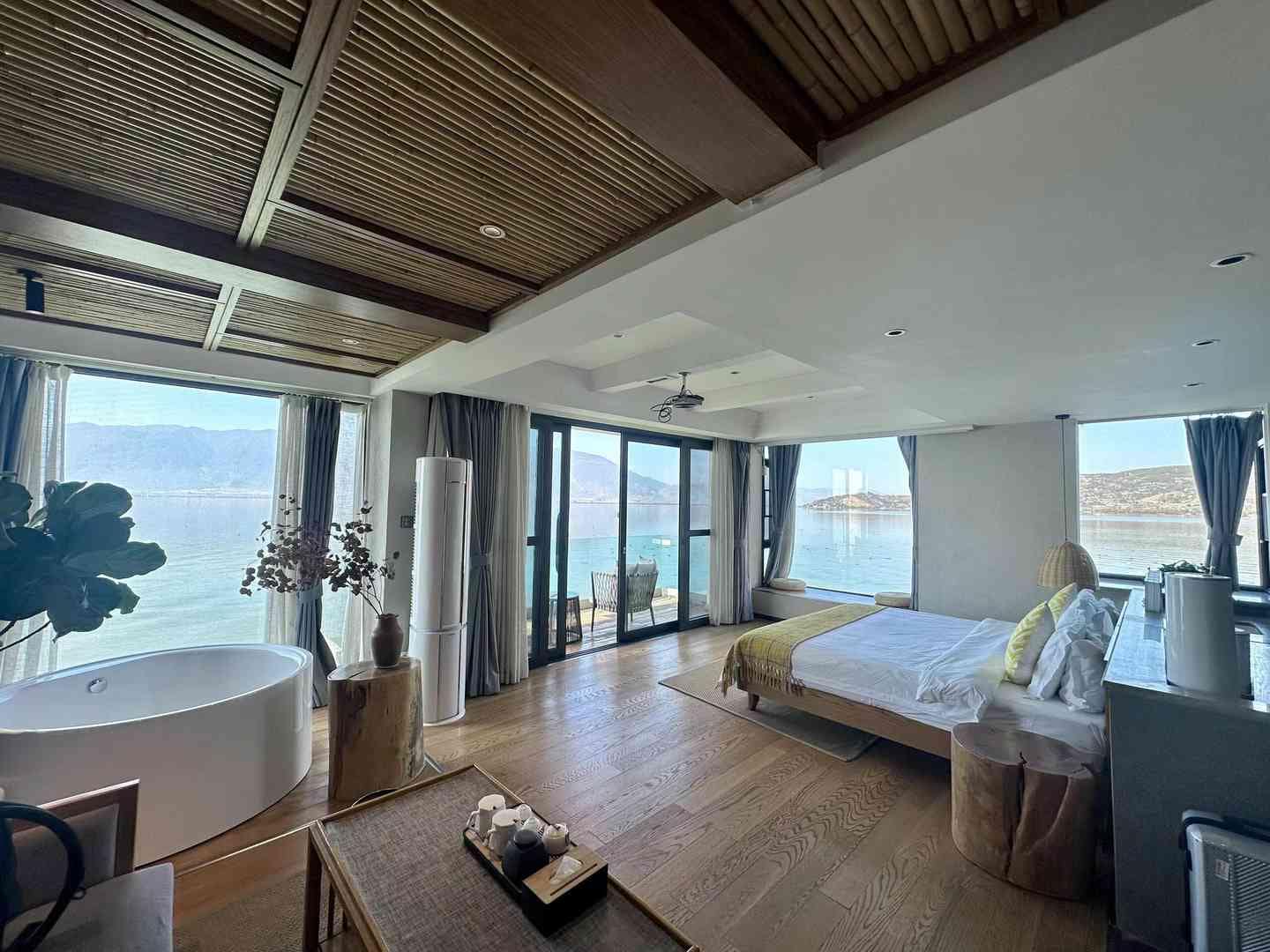
- Days 3–4: Dali. 2 hours by high-speed rail from Kunming. Bai minority old town, Erhai Lake bike loop, Three Pagodas at sunrise.
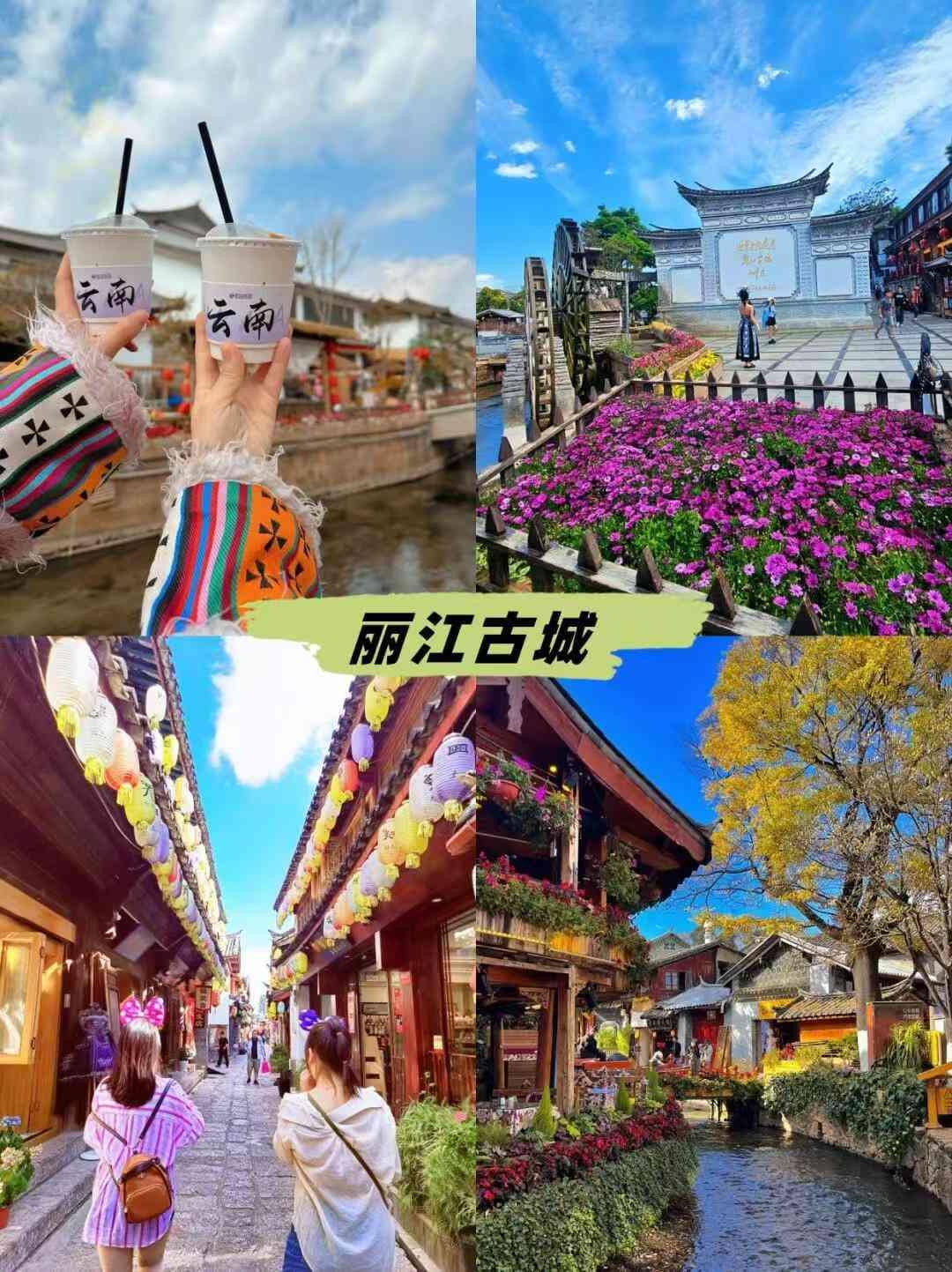
- Days 5–6: Lijiang. 3.5 hours by bullet train from Kunming (or about 90 min from Dali). Naxi old town, Black Dragon Pool, Jade Dragon Snow Mountain as a day trip if the weather is clear.
- Days 7–8: Shangri-La. 1.5 hours by high-speed rail from Lijiang. Tibetan culture begins here, Songzanlin Monastery is the highlight, altitude jumps to 3,200m.
- Day 9: Return. High-speed back to Kunming (4 hours direct from Shangri-La) or fly out of Shangri-La’s small airport.
Honestly, if you can spare 10 days, add a Tiger Leaping Gorge trek between Lijiang and Shangri-La (see below). It’s the one piece that elevates the trip from “good” to “memorable.”
Tiger Leaping Gorge: Still the Best Trek in Southwest China
Tiger Leaping Gorge (Hutiao Xia) is a 15km canyon of the Jinsha River — the upper Yangtze — wedged between two 5,000m+ peaks. The classic high-route trek takes two days and one night, descending roughly 600m of accumulated drop, with guesthouses along the way for the overnight stop. It’s challenging but not technical; you don’t need a guide, you don’t need permits, and you don’t need to be a serious hiker.
The honest practicalities
- Start point: Qiaotou (the town at the gorge’s upper entrance), reachable by bus from Lijiang in about 2.5 hours. The new high-speed rail line stops here too.
- The route: Qiaotou → Naxi Family Guesthouse (lunch) → 28 Bends (the steepest hour) → Tea Horse Guesthouse or Halfway Guesthouse for the night → Tina’s Guesthouse → ferry crossing or steep descent to the river → bus out.
- Difficulty: moderate. The 28 Bends section is genuinely tiring but short. Most reasonably fit people in their 20s–50s can do it.
- Altitude: the trail tops out around 2,670m. Mild altitude effects possible but not severe.
- When to go: March–May and September–November. Avoid June–August (wet season, landslide risk, parts of the trail get closed).
- Cost: entry fee 65 yuan; guesthouses 100–250 yuan per night with dinner; you’ll spend maybe 500–800 yuan total for the two days.
Bring layers — the temperature drop overnight at the guesthouses can be 15°C. Bring cash for the trail (a couple of small payment points still don’t take QR codes). Don’t drink the tap water; bottled is sold at every guesthouse for 5 yuan.

Yuanyang Rice Terraces: A Winter Trip, Not a Year-Round One
The Yuanyang rice terraces are the most photographed landscape in Yunnan and one of the most genuinely otherworldly places you can stand in China. They’re in the deep southeast of the province, near the Vietnam border, carved into the mountainsides by the Hani minority over 1,300 years. The terraces are a UNESCO site and the scale is hard to convey in photographs — you stand on a viewpoint and see tens of thousands of stepped flooded fields stretching down a mountainside that drops 1,000m below you.
The key thing to know: you go in winter (December–February), not summer. The fields are only flooded with reflective water from late November through April. Outside that window the terraces are dry brown stubble (after the harvest in autumn) or green rice plants (in summer) — both perfectly fine, but not the mirror-surface scene that pulled you here.
Practical access
- From Kunming: 4 hours by high-speed rail to Mengzi, then 1.5 hours by car to the village of Xinjie (the main visitor base). Total around 6 hours.
- Best viewpoints: Duoyishu (sunrise), Bada (sunset), Laohuzui (the famous “tiger’s mouth” composition).
- Where to sleep: a cluster of small guesthouses in Pugaolao village near Duoyishu. Book ahead in peak season (Chinese New Year, Lunar New Year week is heavy).
- How long: minimum 2 nights to do sunrise and sunset across different viewpoints. The drive between viewpoints is 20–60 minutes each.
Yuanyang is the one Yunnan add-on that requires real commitment — it’s not on the way to anywhere else, and the round trip from Kunming costs you 3 days. Worth it once in your life if you have the time.
Xishuangbanna: The Tropical South
Xishuangbanna is the southernmost prefecture of Yunnan, on the Laos and Myanmar border. It’s tropical — average temperature 22°C year-round, palm trees, banana plantations, monsoon rains. The dominant ethnic group is the Dai (closely related to Thai), and the architecture, food, and language reflect that: Dai-style wooden temples with multi-tiered roofs, sticky rice as a staple, Mekong-river fish dishes.
The honest pitch: if you’re coming to Yunnan for the Tibetan/Naxi/Bai cultural circuit, you can skip Xishuangbanna without losing much. If you specifically want a tropical, Southeast Asian feel inside China — and a completely different climate from the rest of your trip — it’s worth the 3.5 hours on the China–Laos railway bullet train from Kunming.
What to do in Jinghong (the regional capital)
- Mengle Dafosi (Big Buddha Temple) — the largest functioning Dai Buddhist temple in China, golden-roofed, set above the Mekong River. Entry around 120 yuan.
- Wild Elephant Valley — a forest reserve where wild Asian elephants occasionally pass through; the canopy walkway is the real attraction.
- Gaozhuang Night Market — large Dai-themed riverfront market, food stalls, evening crowd.
- The Tropical Botanical Garden at Menglun — 90 minutes from Jinghong, world-class tropical plant collection, full day visit.
When to go: November–April (dry season). May–October is the monsoon and trips get washed out.
Ethnic Diversity: The Real Reason Yunnan Is Different
Yunnan has 25 of China’s 56 officially recognized ethnic groups with significant populations — more than any other province. This isn’t a tourism brochure point. It means the food, the music, the religious architecture, the writing systems, and the language you hear in the street change every couple of hours of travel. The cultural transitions happen geographically:
- Around Kunming (1,890m): Han Chinese majority with Yi and Sani minority villages around the Stone Forest.
- Dali region (1,975m): Bai-dominated. White architecture, distinctive three-courtyard houses, embroidered headdresses, three-course tea ceremony tradition.
- Lijiang region (2,400m): Naxi-dominated. Dongba pictographic script (still in limited use), matriarchal customs in some surrounding villages, traditional music ensembles.
- Shangri-La (3,200m): Tibetan-dominated. Tibetan Buddhism, prayer wheels, butter tea, yak herders.
- Yuanyang region (1,600m): Hani-dominated. The terraces and the bamboo-and-thatch mushroom houses.
- Xishuangbanna (550m): Dai-dominated. Theravada Buddhism, water-splashing festival, sticky rice, golden temples.
This is why a Yunnan trip rewards travel time over checklist density — you’re not just changing landscape, you’re moving through five or six distinct cultures in a week. Pace it accordingly.
Altitude Warnings for Shangri-La
Shangri-La sits at 3,200m. The altitude is real and the people who underestimate it almost always pay for it. Most visitors arriving from Lijiang (2,400m) feel fine for the first six hours and then get hit by a mild altitude headache that evening. Severe cases (acute mountain sickness) are rare but happen.
Honest acclimatization rules
- Spend at least one night in Lijiang or Dali first — going directly from sea-level Kunming arrivals to Shangri-La in one day is the worst plan.
- Drink double the water you normally would. No alcohol on day one in Shangri-La.
- Don’t plan any strenuous activity (heavy hiking, the long monastery stair climb) on your first afternoon at altitude.
- If you have a known cardiac condition or are over 65, ask your doctor before going. Acetazolamide (Diamox) is the preventive drug, available over the counter at most large Chinese pharmacies, but consult your own physician first.
- If you get severe symptoms (vomiting, severe headache, breathlessness at rest) descend immediately — the most reliable cure for altitude sickness is losing altitude. The 1.5-hour train back to Lijiang is your safety net.
When to Go for Each Region
Yunnan’s range of altitudes and microclimates means there is no single “best time.” Match the season to the region:
- Kunming, Dali, Lijiang: March–April (spring, cherry blossom in Dali) or September–October (clearest skies, lowest rainfall).
- Shangri-La: May–June (alpine flower meadows) or September–October (clear weather pre-snow). Avoid December–February — bitter cold, possible road closures.
- Tiger Leaping Gorge: March–May or September–November. Avoid June–August (landslide season).
- Yuanyang rice terraces: December–February (flooded fields, mirror reflections).
- Xishuangbanna: November–April (dry season).
For the wider seasonal picture across China, see best time to visit China. The sweet spot for a 7–10 day classic Yunnan loop (Kunming + Dali + Lijiang + Shangri-La, no Yuanyang) is October or April.

How to Get Around Yunnan
The high-speed rail network now covers the classic circuit — Kunming, Dali, Lijiang, Shangri-La are all on the bullet-train grid since end of 2023. Xishuangbanna is on the China–Laos railway (also bullet-train speed). Yuanyang is the one notable region you still need a car or a combination of slower trains + drivers to reach.
- Kunming → Dali: 2 hours, 145–220 yuan
- Kunming → Lijiang: 3.5 hours, 220–250 yuan
- Lijiang → Shangri-La: 1 hour 20 minutes, 70–100 yuan
- Kunming → Xishuangbanna (Jinghong): 3 hours, 200–280 yuan
- Kunming → Mengzi (for Yuanyang): 1 hour 50 minutes by C-class regional train, then car transfer
Booking opens 15 days in advance. Use Trip.com for English booking with foreign cards, or the official 12306 app if you have a Chinese phone number. Full booking walkthrough in the China high-speed train guide.
Inside cities, DiDi works everywhere. For day trips out of Lijiang (Jade Dragon Snow Mountain, Lugu Lake) or Shangri-La (Pudacuo, Napa Lake) you’ll want a private driver — your hotel can arrange one for 400–700 yuan/day depending on the route.
What to Eat Across the Province
Yunnan food doesn’t fit the “Chinese food” mental model most Western visitors arrive with. It’s mountain food, river food, and forest food, with herbs and wild mushrooms playing the role that soy sauce plays in eastern China.
- Across-the-bridge noodles (Kunming). The famous one — boiling-hot broth, raw ingredients added at the table.
- Erkuai (everywhere). Yunnan rice cake, grilled with sweet or savory toppings as street food.
- Roasted goat cheese (Dali, Bai specialty). Slabs of fresh cheese pan-fried golden. The most unexpected thing on a Chinese menu.
- Wild mushroom hotpot (all regions, June–September). Yunnan supplies most of China’s wild mushrooms. Don’t try to forage; eat at established restaurants.
- Yak butter tea (Shangri-La). Tibetan staple; salty rather than sweet. Acquired taste, but warm and effective at altitude.
- Pineapple sticky rice (Xishuangbanna). Dai-style sticky rice cooked inside a hollowed pineapple. Genuinely good.
- Yunnan ham (whole province). Air-cured Xuanwei ham; sliced thin, served as a side or used to flavor stir-fries. Yunnan’s answer to Spanish jamón.
Quick Reference: Yunnan Trip Planning Mistakes
| Common mistake | What actually works |
|---|---|
| Trying to fit Yunnan into 4 days | Minimum 7 days for the classic circuit, 10 with Tiger Leaping Gorge added |
| Going to Shangri-La directly from Kunming day one | Spend a night each in Dali and Lijiang first to acclimatize gradually |
| Visiting Yuanyang in July | Go December–February — the flooded fields only reflect during winter |
| Skipping Tiger Leaping Gorge because “I’m not a hiker” | The 2-day high-route trek is moderate; you sleep in a guesthouse, not a tent |
| Flying between Yunnan cities | The 2023 high-speed rail upgrades made every classic-route flight obsolete and slower door-to-door |
| Treating Xishuangbanna as essential | Skip it on a first trip unless you specifically want tropical Dai culture — the four-city north loop is the real Yunnan |
| Underestimating altitude in Shangri-La | 3,200m is real — no alcohol day one, double water intake, light activity only |
One last thing: if you have to cut something, cut Shangri-La before cutting Dali. Dali is the most genuinely walkable, eatable, photographable town in the province, and it’s the only stop where you can genuinely slow down for two days without “wasting” the trip. For the broader China context — how Yunnan fits into a multi-province route — see the China itinerary guide. And the Kunming guide covers the gateway city in detail.
Photos courtesy of Unsplash.