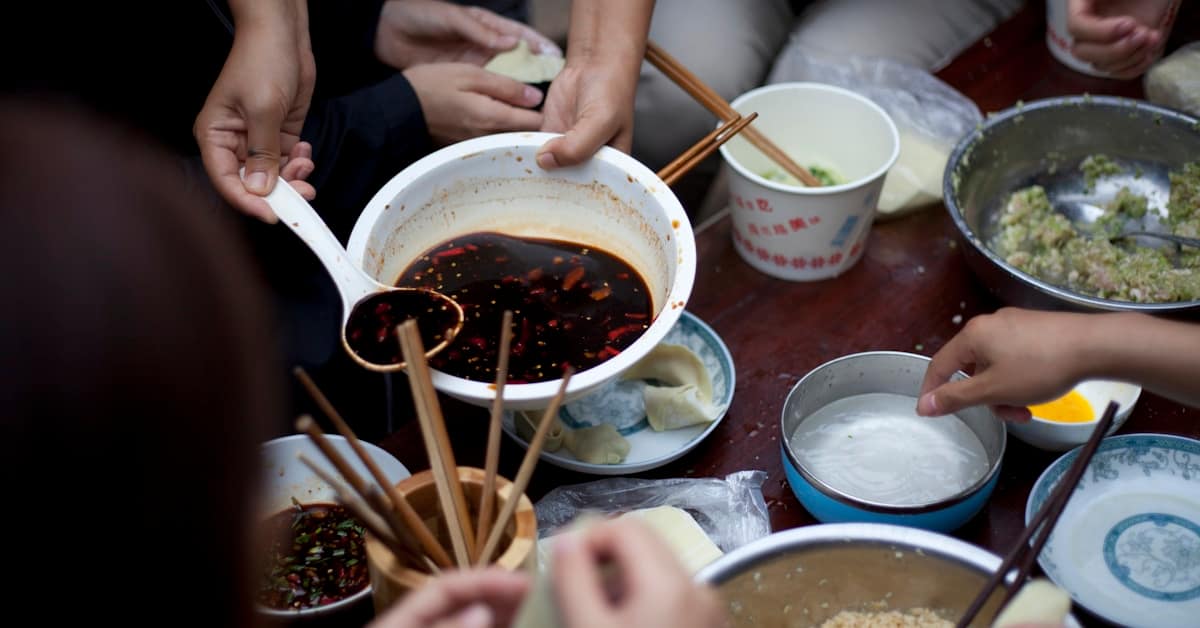
China has etiquette rules that no guidebook explains clearly, and most foreigners learn them by accidentally offending someone at a dinner table. The good news: Chinese people do not expect foreigners to know every rule, and genuine mistakes are forgiven quickly. The better news: knowing the basics — chopstick taboos, toast hierarchy, face-saving phrases — transforms you from a clueless outsider into someone locals want to invite back. Here are the rules that actually matter.
Chopstick Rules: The Five Things You Must Not Do
Chopstick mistakes are the most common and the most visible. You use chopsticks at every meal, which means every mistake is on display. These five are non-negotiable:
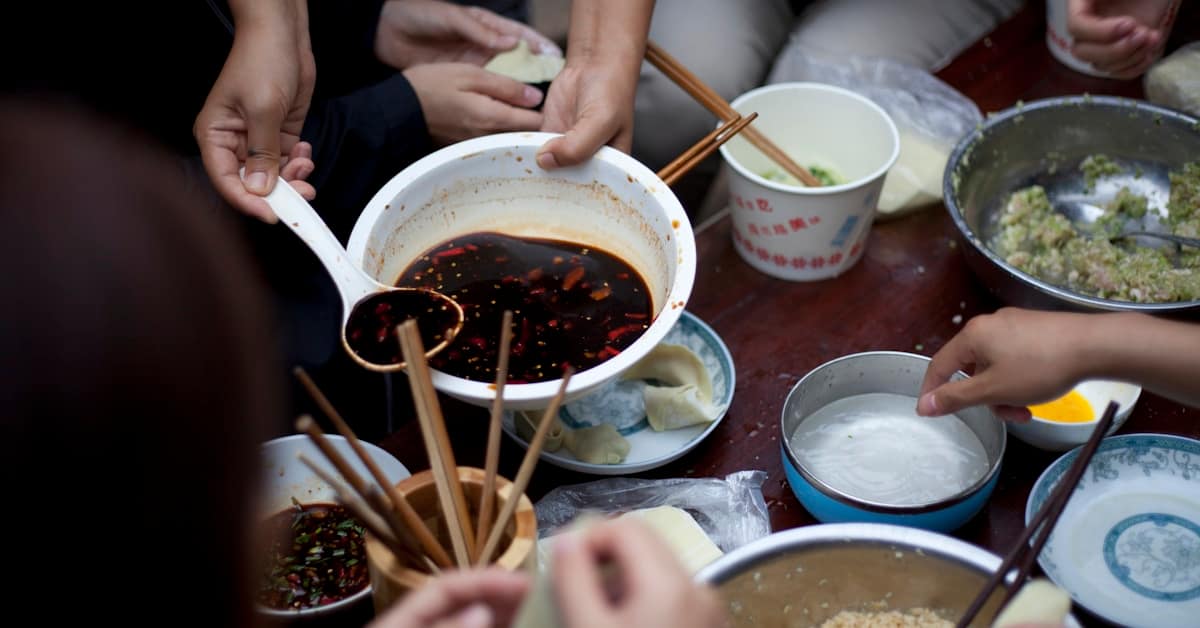
- Never stick chopsticks upright in a bowl of rice. This resembles incense sticks at a funeral offering. It is the single most offensive chopstick mistake you can make. If you need to put your chopsticks down, rest them across the bowl or on the chopstick rest.
- Never point at someone with chopsticks. Gesturing with chopsticks toward a person is as rude as pointing your finger in someone’s face. Put the chopsticks down first, then gesture with your hand.
- Never tap your bowl with chopsticks. Beggars historically tapped their bowls to ask for food. Doing this at a restaurant implies the host has not provided enough to eat.
- Never pass food chopstick-to-chopstick. This resembles a funeral ritual where bones are passed between family members. If someone offers you food from a shared dish, take it with your own chopsticks from the dish, not from their chopsticks.
- Never dig through a dish for a specific piece. Pick the piece closest to you on your side of the plate. Searching for the best piece signals greed.
The Toast Hierarchy: Who Drinks First and Why It Matters
Chinese business dinners and formal meals revolve around toasting, and the order matters more than the alcohol. If you are invited to a dinner with Chinese hosts, the toasting protocol runs like this:
Basic Toast Protocol
- The host toasts first. Always. The host raises their glass to welcome guests, usually with a short speech. You stand, raise your glass, and drink. Do not start a toast yourself unless you are the host.
- Toast seniors before juniors. If you want to toast someone individually, start with the oldest or most senior person at the table, then work your way down. Skipping someone senior to toast a peer first is a face-losing mistake.
- Hold your glass lower when toasting a senior. When your glasses touch, the rim of your glass should be below theirs. This shows respect. They may lower theirs too — that is fine. Just make sure yours ends up lower.
- “Ganbei” means “empty glass.” If someone says “ganbei” during a toast, you are expected to finish your drink in one go. If you cannot drink that much, say “suibi” (drink as you please) and take a sip instead. Nobody will push it further.
- You can toast with tea or water. If you do not drink alcohol, fill your glass with tea or juice and toast with that. It is completely acceptable. What matters is the gesture, not the liquid.
Face: The Concept That Explains Half of Chinese Social Behavior
“Face” (mianzi) is the Chinese concept of social reputation and dignity. It sounds abstract, but in practice it is straightforward: do not embarrass people publicly, do not reject offers bluntly, and always give people a way to back down without looking bad.
Practical Face Rules
- If someone offers to pay for a meal, let them — at least once. Fighting over the bill aggressively can make the host lose face. Accept graciously, then pay for the next meal. This exchange is how relationships are built in China.
- Never say “no” directly in a formal setting. Instead of “No, I cannot do that,” say “That might be difficult” or “Let me think about it.” The softened refusal preserves face on both sides. Direct refusals feel like confrontation.
- Compliment the host’s city, not just the food. “Hangzhou is even more beautiful than I expected” gives more face than “This fish is good.” You are praising their home, which is personal in a way that food is not.
- If you make a mistake, acknowledge it briefly and move on. Over-apologizing makes the situation more awkward and draws more attention to the error. A quick “My apologies” and a return to normal conversation preserves everyone’s comfort.
Gift-Giving: What to Bring and What to Avoid
If you are invited to someone’s home or attending a formal dinner, a small gift is expected. The gift itself matters less than the gesture, but there are rules:
- Good gifts: Fruit (especially in even numbers — eight oranges, two melons), tea from your home country, a local specialty from where you live. Budget: 100–300 yuan.
- Bad gifts: Clocks (the word for “clock” sounds like “end” or “death”), sharp objects (scissors, knives — they symbolize cutting a relationship), anything in sets of four (the word for “four” sounds like “death”).
- Present with two hands. Handing a gift with one hand is dismissive. Two hands show respect.
- Do not open the gift immediately. In Chinese culture, gifts are set aside and opened after the guest leaves. Opening it in front of the giver can seem greedy or judgmental. If the host insists you open it, then do so.
Dining Seating: Where You Sit Matters
At a round table in a Chinese restaurant, the seat facing the entrance is the seat of honor — it goes to the guest of honor or the most senior person. The seat opposite (facing away from the door) is the least prestigious. If you are not sure where to sit, stand near the table and wait for your host to direct you. Do not sit down first unless invited.
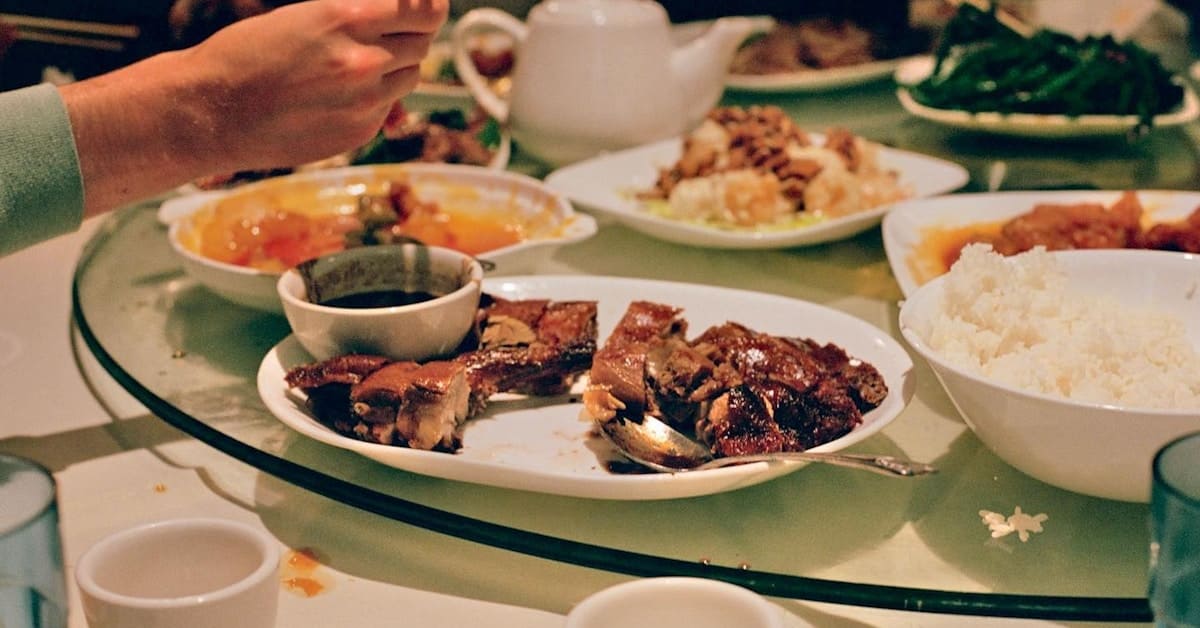
The dishes arrive in the center of the table on a rotating glass tray. Do not rotate the tray while someone is serving themselves. Wait until the tray stops moving, then take your turn. If a dish you want is on the far side, wait for the tray to come around or ask the person nearest to rotate it.
Small Things That Make a Big Difference
- Remove your shoes when entering a home. If you see shoes at the door, take yours off. Some restaurants and teahouses also require shoe removal in private rooms.
- Use two hands when receiving a business card. Take the card with both hands, read it briefly, and set it on the table in front of you. Do not stuff it in your back pocket.
- Do not write in red ink. Red ink is used for corrections and death notices. Use black or blue.
- Avoid discussing politics, Tibet, Taiwan, or Tiananmen at dinner. These topics make Chinese hosts uncomfortable and can end a pleasant evening immediately. Stick to food, travel, sports, and family.
- Say “ni hao” and “xie xie” even if your Mandarin stops there. The effort is noticed and appreciated. It shows you are trying, which is worth more than perfect pronunciation.
Common Etiquette Mistakes
| Mistake | Better Move |
|---|---|
| Sticking chopsticks upright in rice | Rest them across the bowl or on the chopstick rest. This is the #1 rule. |
| Refusing a toast with “I do not drink” | Toast with tea instead. The gesture matters, not the alcohol. |
| Opening a gift immediately upon receiving it | Set it aside and open later. If they insist, then open it with polite appreciation. |
| Sitting in the seat facing the door | Wait for your host to seat you. The door-facing seat is for the guest of honor. |
| Splitting the bill at a business dinner | Let the host pay. Offer to cover the next meal instead. See the full tips guide for more on navigating social situations. |
One last thing: the most important etiquette rule in China is not about chopsticks or toasts — it is about showing genuine interest in the people you meet. Ask about their city. Try the dish they recommend. Laugh at your own language mistakes. The foreigners who get invited back are not the ones who memorize every rule — they are the ones who make people smile.


One thought on “China Etiquette Guide 2026: Chopsticks, Toasts, and the Rules Nobody Tells You”