Chengdu’s Reputation Is Wrong — and That’s Its Best Feature
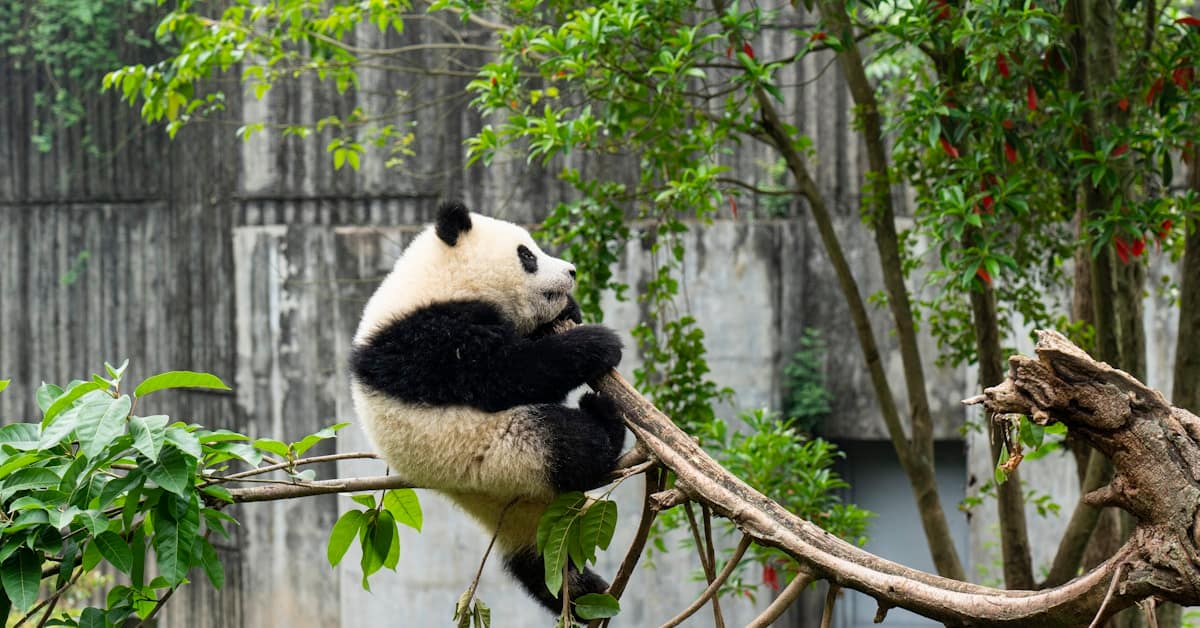
Ask most foreigners what Chengdu is known for and you’ll get two answers: pandas and spicy food. Both are true. Both miss the point. Chengdu is China’s slowest big city — not because it’s undeveloped, but because it actively resists the pace of Beijing and Shanghai. The local phrase chashui (drinking tea) is shorthand for the entire approach to life here: sit down, order a pot, and let the afternoon happen.
For a traveler, this is a tactical advantage. Chengdu is the only first-tier Chinese city where you can have a full, satisfying day without once feeling like you’re behind schedule. That’s rare, and it’s the reason to come here — the pandas are a bonus.
How Long Do You Actually Need?
Three full days. Day 1 for the city itself (panda base, people’s park, old quarter). Day 2 for Leshan Giant Buddha. Day 3 for either Mount Emei or a slower day in town. If you try to do Leshan and Emei in one day, you’ll spend six hours on transport and see both places at a sprint. Don’t.
The city is covered in our broader Sichuan travel guide, but this article focuses on Chengdu proper and the two key day trips.
The Panda Base: Go Early or Don’t Bother
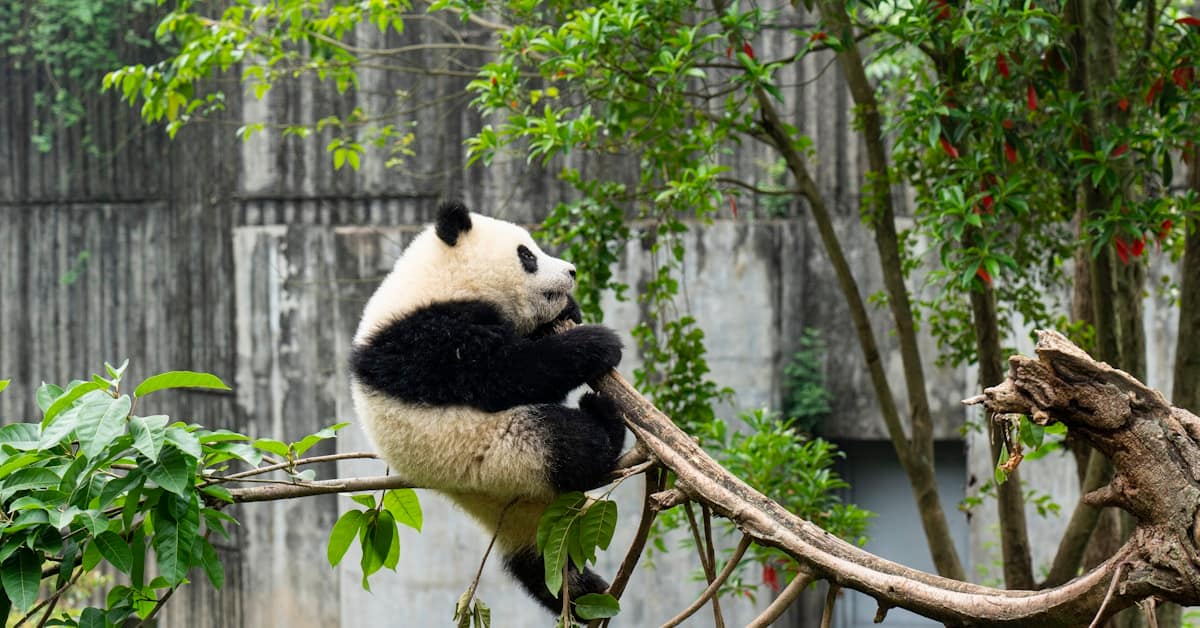
The Chengdu Research Base of Giant Panda Breeding is 12km north of the city center. It opens at 7:30am. You need to be there at opening. Not 9am, not 10am. Opening.
Here’s why: pandas are active for roughly 90 minutes in the morning — eating bamboo, climbing things, occasionally playing. By 9:30am, especially in warm weather, they find a spot and go to sleep. If you arrive at 10am, you will watch sleeping lumps of black and white fur for two hours and wonder what the hype is about.
The base also houses red pandas in a separate area that’s less crowded and more natural-feeling. Honestly, the red pandas are often more entertaining — they move around, they’re curious, they’ll walk past you on the boardwalk. Don’t skip them.
Panda Base Logistics
- Tickets: 55 yuan (as of June 2026). Book on WeChat mini-program or at the gate. Foreign passports accepted at both.
- Getting there: Metro Line 3 to Panda Avenue station, then a 10-minute walk or shuttle. Taxi from city center: 30–40 yuan.
- Crowd strategy: Enter and walk straight to the adult panda enclosures first. Most tour groups stop at the first enclosure they see. Skip it and keep walking — the farther enclosures are quieter.
- Huahua: The celebrity panda has her own enclosure near the back. Lines form by 8:30am. If seeing her matters, go there first and work backward.
Hotpot: A Guide for People Who Think They Can’t Handle Spice
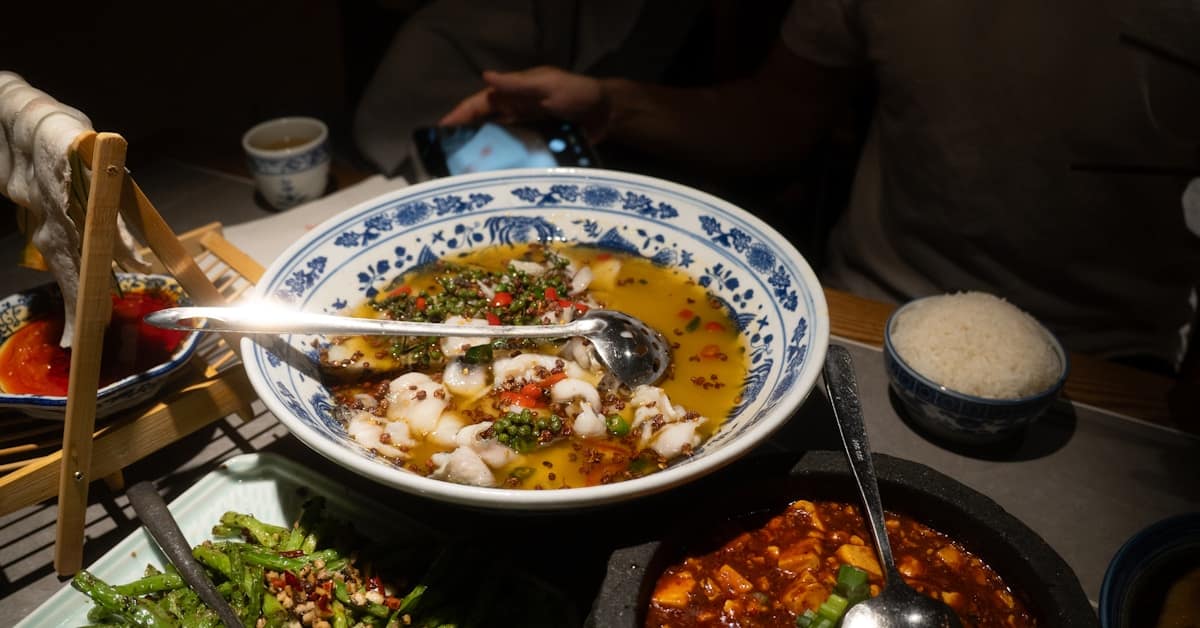
Chengdu hotpot is not for the cautious — but it’s also not the endurance test that foreigners imagine. The key is the yuan guo (split pot): half spicy, half not. Every hotpot restaurant offers this. Order it. Cook your vegetables and noodles in the clear side, dip your meat in the spicy side for five seconds, pull it out, and you’ll get flavor without pain.
What you actually need to worry about isn’t the chili — it’s the ma (numbing Sichuan peppercorn). That’s the thing that makes your lips vibrate and your tongue feel like it’s wearing a tiny sweater. It’s an acquired sensation, and the first time is always alarming. Give it three bites before you decide.
Where to Eat Hotpot
For first-timers: Xiaolongkan is a chain with English menus, clean atmosphere, and consistent quality. It’s not the best hotpot in Chengdu — but it’s the most accessible, and it won’t scare you off.
For the real thing: Walk down Yulin Road after 7pm and pick any restaurant that’s full of locals and has no English signage. You’ll pay 80–120 yuan per person, including beer. The waiter will help you order if you point at what other tables are eating. This is how most Chengdu residents do it.
For a broader guide to what to eat beyond hotpot, the top Chinese dishes guide covers the essentials.
The Neighborhoods That Actually Matter
People’s Park (Renmin Gongyuan)
This is where Chengdu’s chashui culture lives. The Heming Teahouse inside the park has been operating since 1923. A pot of jasmine tea costs 15 yuan. You sit in a bamboo chair under a tree, and nobody rushes you. Locals play cards, practice calligraphy on the ground with water, or just nap. It’s the single best place in the city to understand why Chengdu feels different from everywhere else in China.
Go on a weekday morning. Weekends are crowded with domestic tourists taking photos of each other drinking tea, which somewhat defeats the purpose.
Kuanzhai Xiangzi (Wide and Narrow Alleys)
Touristy? Yes. Worth seeing anyway? Also yes — but only the Wide Alley. The Narrow Alley is a shopping mall in historical drag. The Wide Alley still has some actual old architecture, better food stalls, and fewer selfie sticks. Go early (before 9am) or at dusk, when the street food vendors are setting up.
Jinli Street
Skip it. It’s Kuanzhai Xiangzi without the architecture, more expensive, and louder. If you want the old-street atmosphere at night, go to the area around Wenshu Monastery instead — fewer crowds, real tea houses, and the monastery itself is one of the best in the city.
Day Trip: Leshan Giant Buddha (Do This One)
The Leshan Giant Buddha is a 71-meter stone statue carved into a cliff at the confluence of two rivers. It’s the largest stone Buddha in the world, and it’s more impressive in person than in photos — mostly because photos don’t convey the scale of the thing relative to you when you’re standing at its feet.
Getting there: High-speed train from Chengdu East to Leshan station takes about 1 hour. Tickets are 52–65 yuan (as of June 2026). From Leshan station, take bus 13 or a taxi (20 yuan) to the scenic area.
The walk down: You can walk down the cliff-side stairs to the Buddha’s feet and back up on the other side. The descent takes about 20 minutes. The ascent is steeper and takes 30–40 minutes. It’s doable for anyone with moderate fitness. If you have knee problems, take the boat tour instead — it runs 70 yuan and gives you a full-frontal view from the river.
Timing: Go on a weekday. Weekend crowds at the Buddha are the worst in Sichuan — the narrow cliffside stairs become a human traffic jam, and the boat queue can be 90 minutes. Weekday mornings, you can walk down at your own pace.
Day Trip: Mount Emei (Only If You Have the Time)
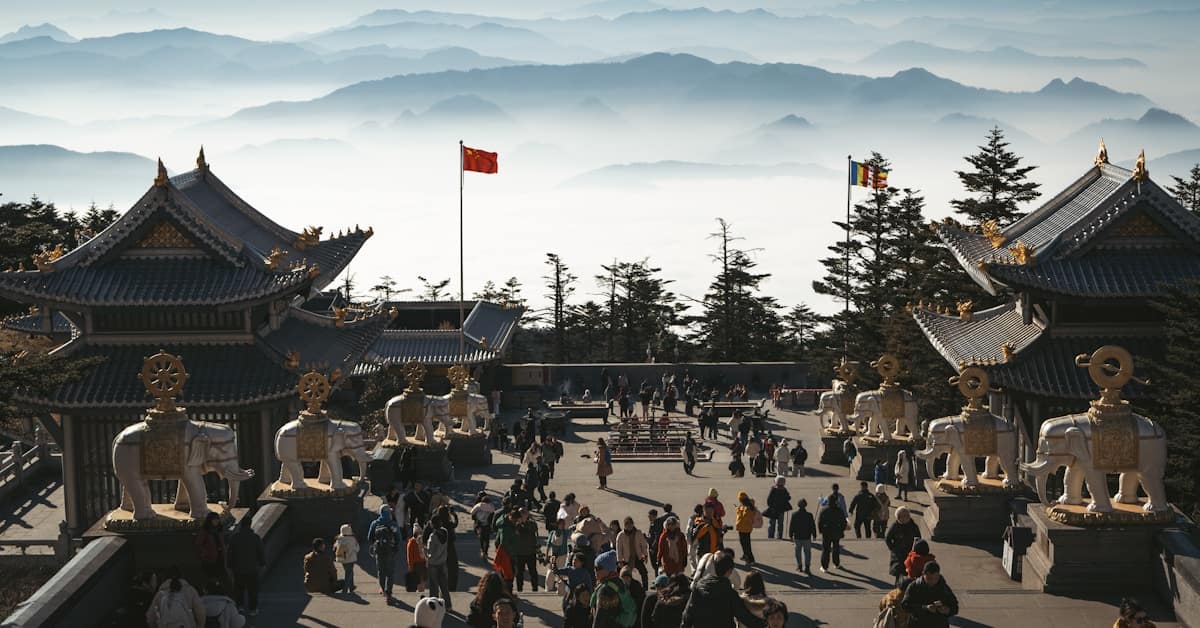
Emei is one of China’s four sacred Buddhist mountains. The full experience — hiking from base to summit — takes two days. Most visitors take the cable car to the summit, see the golden temple, and come back down. This takes a full day from Chengdu and is logistically awkward (2+ hours each way to the mountain base, then bus + cable car to the top).
In my experience, Emei is only worth it if you’re spending 4+ days in Sichuan. If you have 3 days, Leshan is the better day trip — it’s more unique, more accessible, and you don’t need a whole day of transport.
Getting Around Chengdu: Metro First, DiDi for Everything Else
Chengdu’s metro system covers most of what you need. Lines 1–13 are operational (as of June 2026), with expansions still under construction. Fares are 2–7 yuan. The system is clean, English-signed, and runs until about 11pm.
DiDi works well in Chengdu and is cheap — a cross-city ride typically costs 20–35 yuan. Use the in-app English interface and pay via WeChat Pay. For details on setting up payment, our Alipay and WeChat Pay guide walks through the process.
What Not to Do
Don’t rent a car. Chengdu traffic is unpredictable, parking near scenic areas is limited, and the metro is faster. Don’t use regular taxis unless you speak Mandarin — the DiDi app eliminates the language barrier and the need to explain your destination.
The One Thing That Changes How You Experience Chengdu
Slow down on purpose. Chengdu is not a checklist city. The people who love it are the ones who spent an afternoon in a teahouse instead of rushing between the top 10 attractions. The pandas take two hours. The Buddha takes a day. That leaves a lot of unstructured time — and that’s not a bug, it’s the whole design.
The most reliable way to enjoy Chengdu is to plan your logistics (transport, hotels, day trips) and leave your actual days half-empty. Have one main thing per day. Fill the rest with wandering, eating, and sitting down. The city rewards this approach more than any other place I’ve been in China.
Common Mistakes vs. Better Moves
| Common Mistake | Better Move |
|---|---|
| Arriving at the panda base at 10am | Be there at 7:30am opening — pandas are only active for the first 90 minutes |
| Ordering fully spicy hotpot as a first-timer | Get the split pot (yuan guo) — cook veggies in mild side, dip meat in spicy side |
| Spending the evening on Jinli Street | Walk around Wenshu Monastery area instead — real atmosphere, fewer crowds |
| Trying to do Leshan and Emei in one day | Pick Leshan only; save Emei for a separate 2-day trip |
| Packing every hour with attractions | Plan one main thing per day and leave the rest open — Chengdu rewards slowness |
One thought on “Chengdu Travel Guide: Pandas, Hotpot, and the Art of Doing Less (2026)”