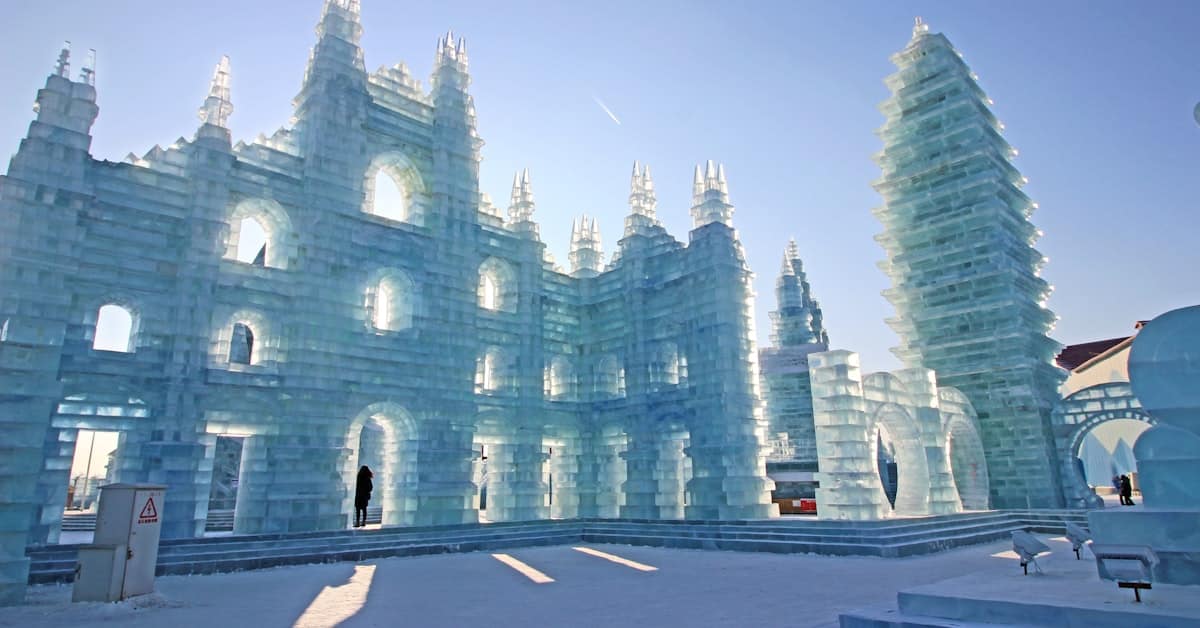
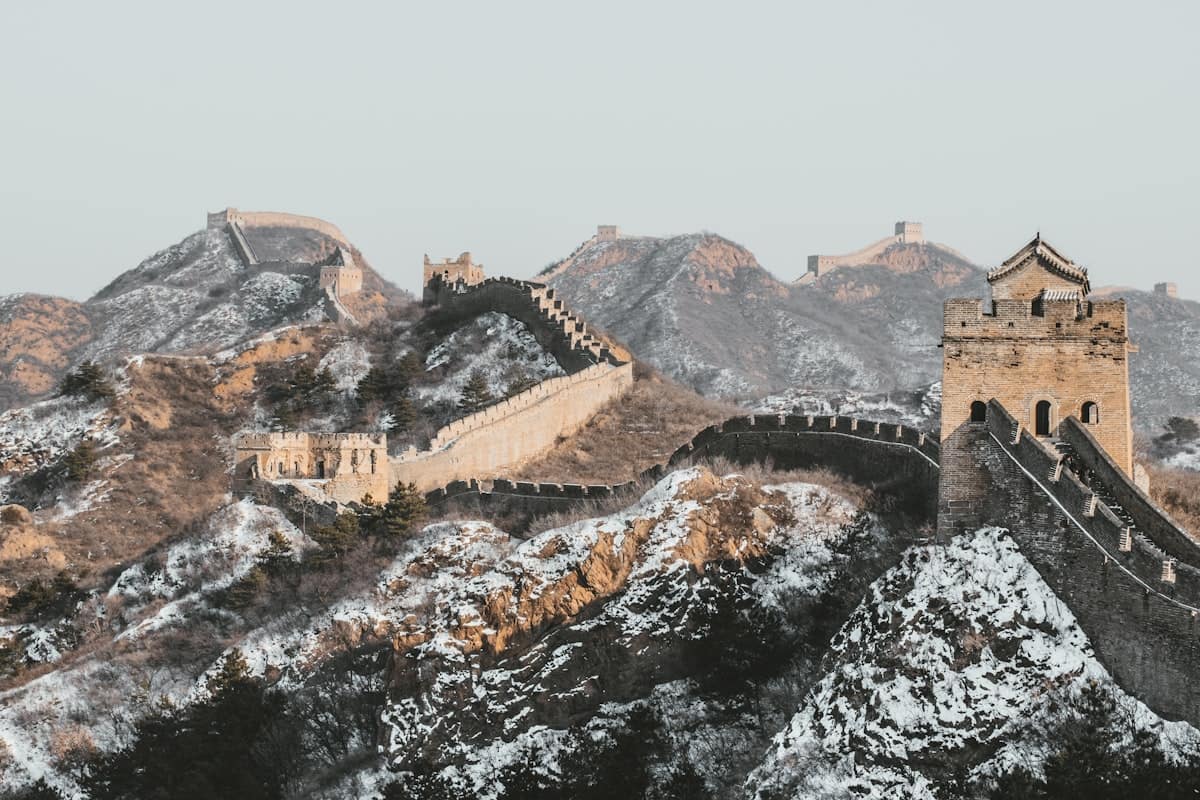
December is the month that separates the committed China travelers from the fair-weather ones. The north is genuinely cold – Harbin hits -25°C, Beijing averages -4°C, and the Great Wall at Mutianyu becomes a snow-dusted postcard. But December is also when the Harbin International Ice and Snow Festival begins its soft opening, when the domestic tourist crowds vanish entirely, and when hotel rates in most cities drop to their lowest of the year. If you can handle the cold, December is the most rewarding winter month to visit China. If you cannot, it’s the month to stay home.
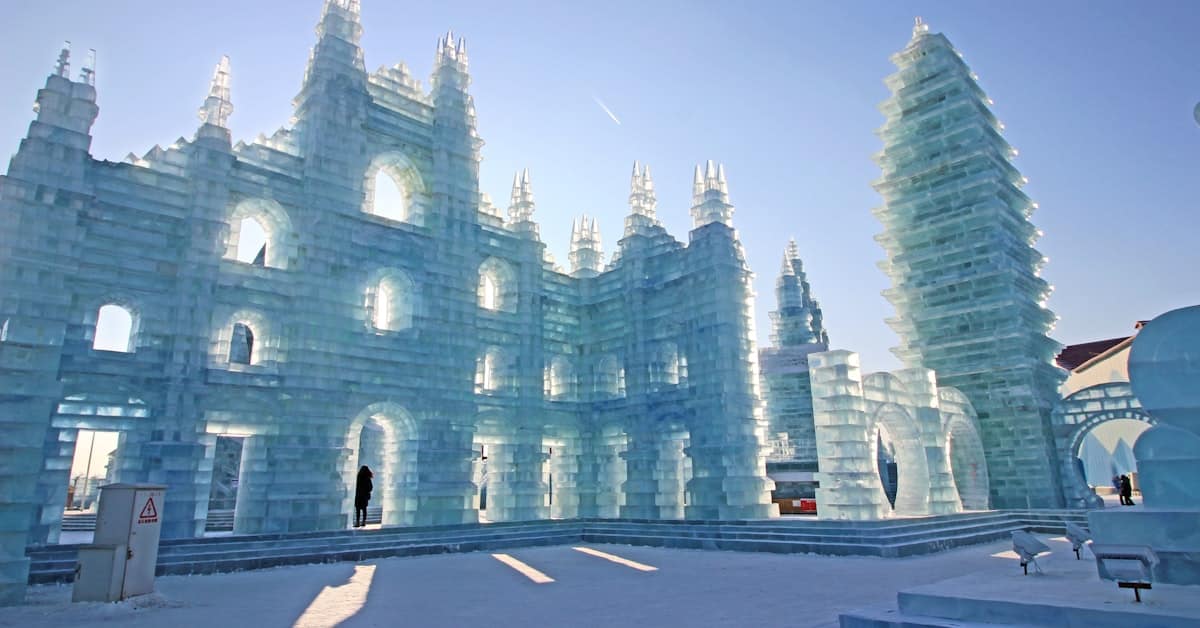
The Quick Verdict: December Is for Harbin, Southern Cities, and the Committed Few
December splits China into two completely different winter experiences. Northern China is cold, dry, and increasingly smoggy as coal-fired heating runs at full capacity. Southern China is mild, dry, and at its most pleasant of the winter. The Harbin Ice Festival begins its soft opening in mid-December. Domestic travel is at its lowest of the year until the Western Christmas week, when a small spike of international travelers arrives.
What December is actually good for:
- Harbin Ice and Snow Festival. The soft opening starts mid-December. The official launch is January 5, but December gives you 30% of the January crowds at the same ice sculptures
- Southern China. Guangzhou, Shenzhen, Xiamen, and Kunming are 12-22°C in December – mild, dry, and crowd-free. This is the best winter month for the south
- Budget travel. Hotel rates in Beijing, Shanghai, and Xi’an drop 30-50% from peak season. A mid-range trip that costs $2,500 in October costs $1,200 in December
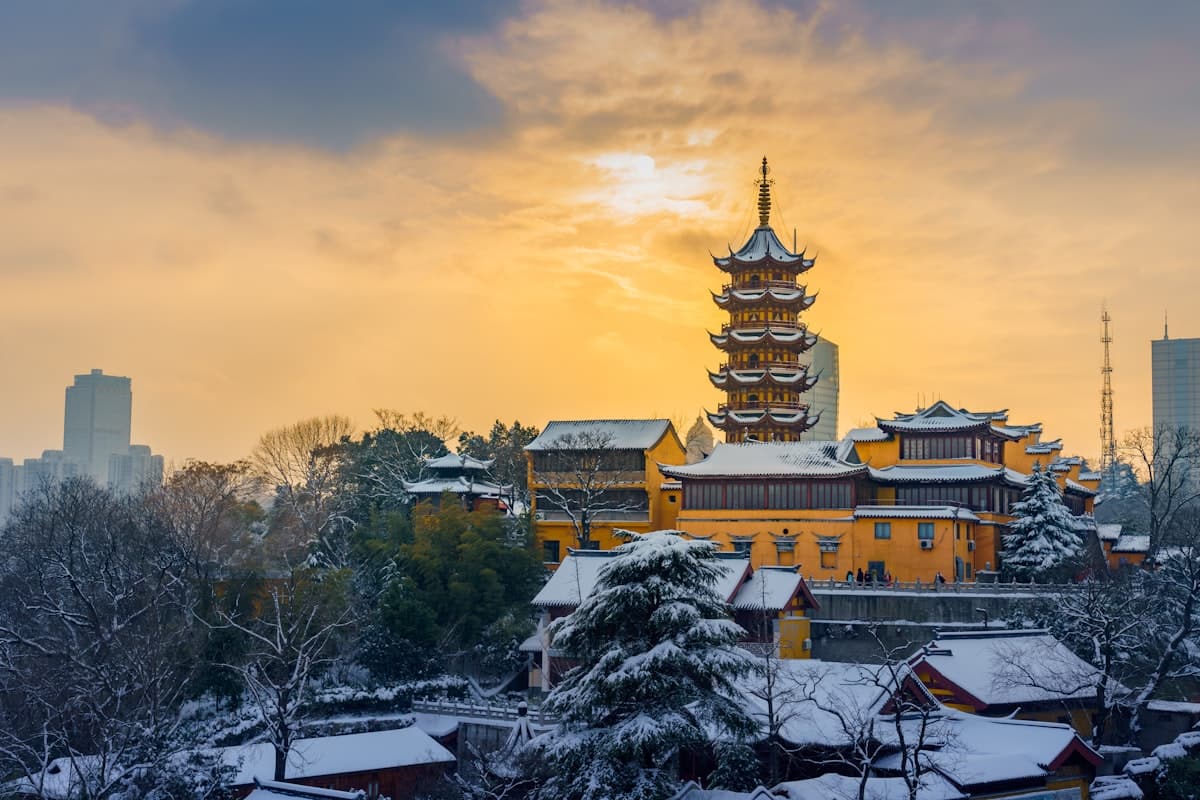
- Snow photography. The Great Wall at Mutianyu after a December snowfall is one of the most photographed winter landscapes in China
What December is not good for:
- Air quality in northern China. Beijing’s AQI regularly exceeds 200 in December. The cold-air inversions trap pollution. December 15-31 is the worst air quality window of the year
- Outdoor sightseeing in the north without serious gear. -25°C in Harbin is not a “bring a jacket” situation. It’s a “bring everything you own” situation
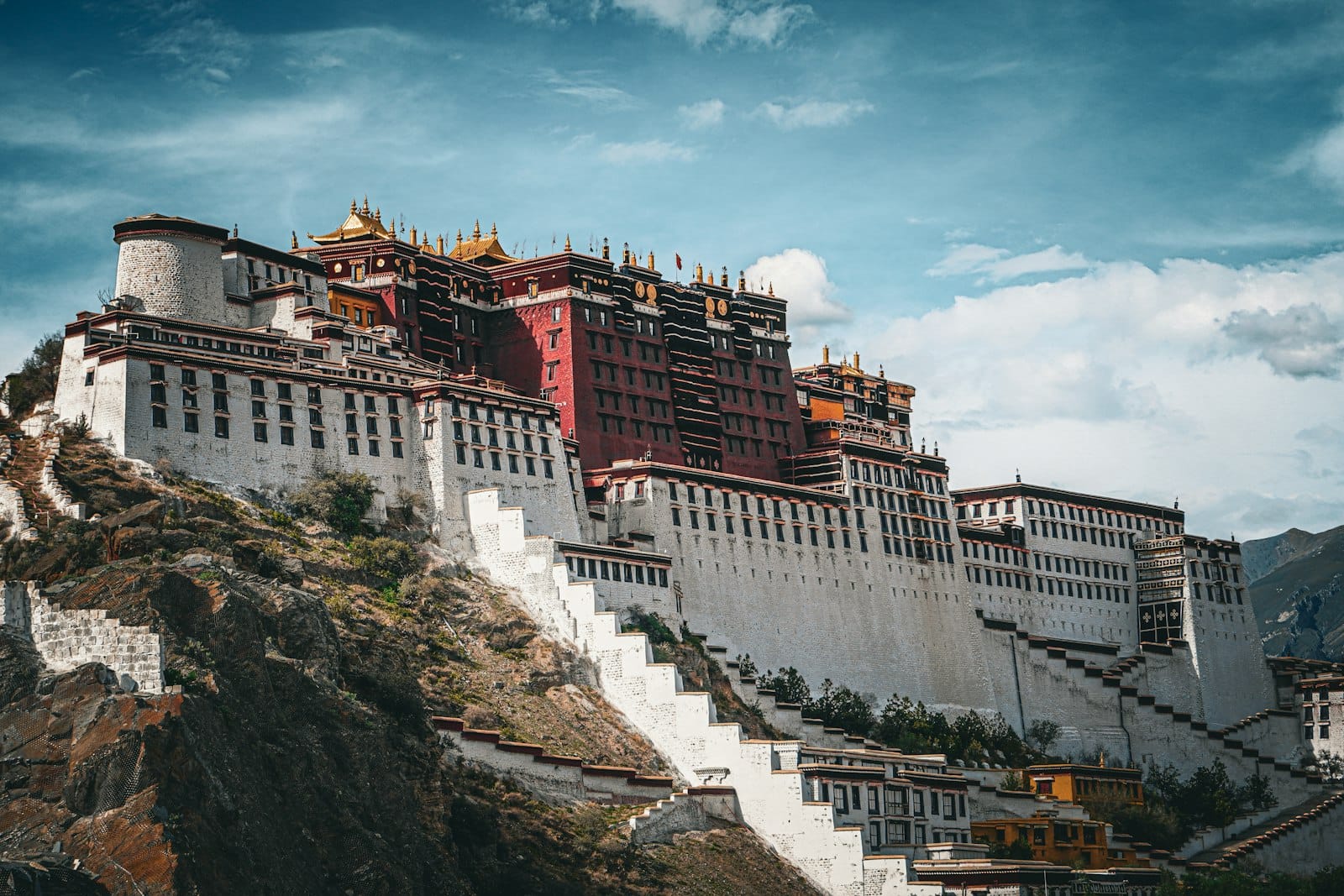
- Tibet. Closed for winter. Roads are snow-blocked. Most infrastructure shuts down
For broader year-round context, the best time to visit China guide ranks December against the other 11 months. For the month before, the China in November guide covers what you’re leaving behind.
Weather by Region in December
December is when the temperature gap between northern and southern China becomes extreme. Harbin and Beijing are below freezing. Guangzhou and Sanya are t-shirt weather. Here is what to actually expect.
Harbin and the Northeast
- Temperature: -25 to -10°C. Seriously cold. Frostbite risk on exposed skin within 15 minutes
- Snow: Constant from November through March. The Ice Festival sculptures are built from blocks cut from the Songhua River
- Daylight: Very short. Sunrise around 7am, sunset around 4pm. Only 9 hours of usable daylight
- Best for: The Ice and Snow Festival, Russian-influenced architecture on Zhongyang Street, the Siberian Tiger Park
- Packing: Down parka rated to -30°C, thermal base layers, insulated boots, face mask, gloves (two pairs), hand warmers
Beijing and North China
- Temperature: -4 to 6°C, dropping to -8°C at night by late December
- Air quality: AQI regularly exceeds 200. The coal-heating season is at full capacity. Check the AQI app daily; plan indoor activities on bad days
- Snow: Occasional. When it snows, the Great Wall transforms. When it doesn’t, the city is dry and brown
- Best for: The Forbidden City without crowds (book 3-5 days ahead), the Great Wall after snowfall (check weather forecast and go the day after), 798 Art District, indoor museums
Shanghai and East China
- Temperature: 2-10°C, damp and penetratingly cold. The humidity makes 5°C feel like -5°C
- Air quality: Better than Beijing but not great. Occasional bad days
- Best for: City walking with layers, the Shanghai Museum, water towns (Suzhou, Hangzhou) at their quietest of the year, hotpot weather
Chengdu and Sichuan Basin
- Temperature: 4-12°C, overcast most days. The Sichuan basin traps moisture and cold
- Best for: Pandas (most active in cool weather), hotpot season at its best, Mount Qingcheng without summer crowds
Yunnan and the Southwest
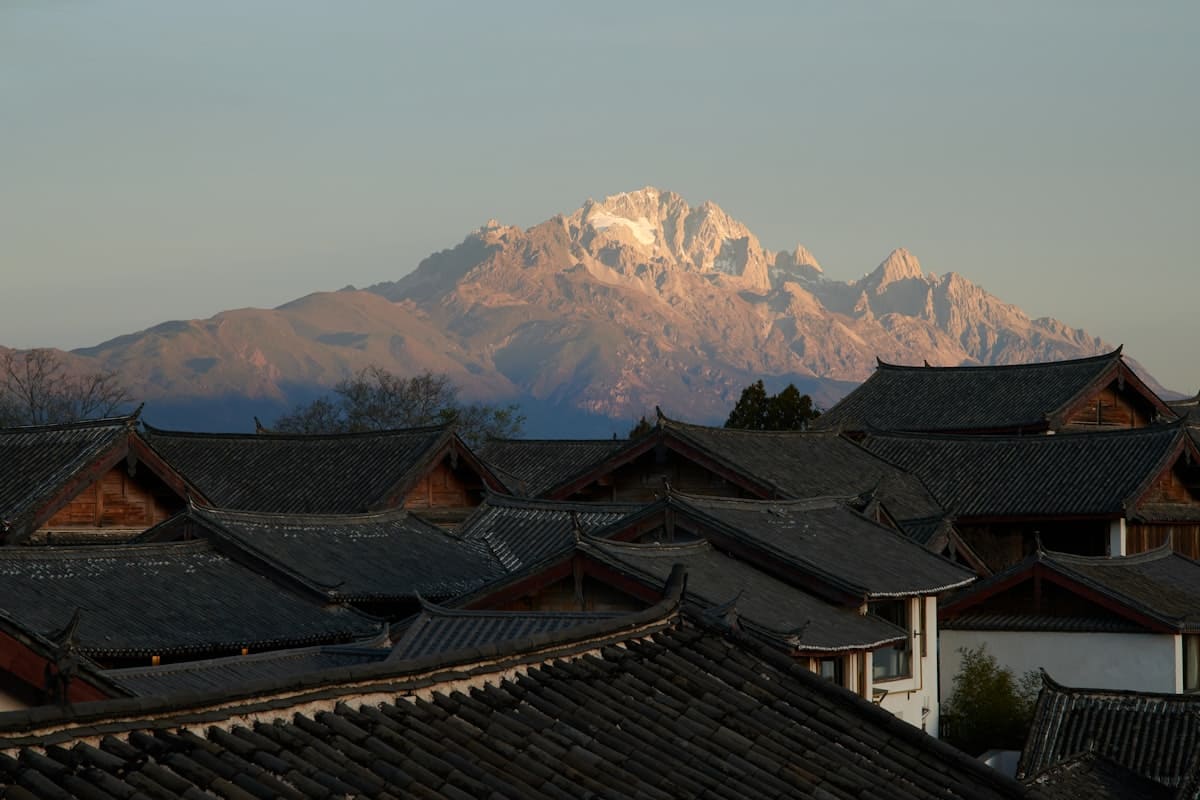
- Temperature: 4-15°C in Lijiang, 8-18°C in Kunming. Dry, clear, cold at night
- Best for: The Yunnan plateau is one of the few places in China that’s genuinely pleasant in December. Dry season, clear skies, manageable temperatures
South China (Guangzhou, Shenzhen, Xiamen, Hainan)
- Temperature: 12-22°C in Guangzhou, 20-26°C in Sanya (Hainan)
- Air quality: Good throughout
- Best for: This is the best December region in China. Cantonese food trips, Fujian Tulou, Hainan beaches, Xiamen coastal walking. Mild, dry, and crowd-free
The Harbin Ice and Snow Festival: A Practical Guide
The Harbin International Ice and Snow Festival (哈尔滨国际冰雪节) is the largest ice and snow sculpture festival in the world. It runs from late December through February, with the soft opening in mid-December and the official launch ceremony on January 5. If you go in December, you get the sculptures at 70% completion with 30% of the January crowds.
What you’re actually looking at
The festival has three main sites:
- Ice and Snow World (Bingxue Dashijie): The headline site. Massive ice buildings – some 20+ meters tall – carved from blocks cut from the Songhua River. Illuminated at night with LED lights embedded inside the ice. Open from 5pm to 9:30pm. Entry: 300 yuan (December) / 330 yuan (January)
- Sun Island (Taiyang Dao) Snow Sculpture Park: Daytime site. Massive snow sculptures – some 30+ meters long. Open 9am to 5pm. Entry: 240 yuan. Walkable or take the cable car across the river
- Zhaolin Park Ice Lanterns: The original, smaller site. Evening-only. Ice lanterns and smaller sculptures. Entry: 150 yuan. Best for families with children – less crowded, more intimate
Logistics for December visitors
- Best days: December 20-31. The soft opening is in progress, sculptures are 70%+ complete, and the crowds are domestic tourists only (no international tour groups yet)
- What to wear: This is not optional. Down parka rated to -30°C, thermal base layers (top and bottom), insulated boots (Sorel or equivalent), face mask or balaclava, two pairs of gloves (inner thin + outer thick), hand warmers in pockets and boots. Exposed skin freezes in 15 minutes at -25°C
- How long: 2-3 days in Harbin is enough. Day 1: Zhongyang Street + Russian architecture + Saint Sophia Cathedral. Day 2: Ice and Snow World (afternoon + evening). Day 3: Sun Island snow sculptures (morning) + Siberian Tiger Park (afternoon)
- Getting there: Fly into Harbin Taiping International Airport. Direct flights from Beijing (2 hours, 800-1200 yuan), Shanghai (3 hours, 1000-1500 yuan). Book 2-3 weeks ahead for December
- Hotels: 200-400 yuan per night for a 3-star in December. Book near Zhongyang Street for walkable access to the old town. January rates will be 2-3x
Where to Go in December: 5 Routes That Work
Route 1: Harbin Ice Festival (3-4 days)
The single best December route in China. Fly to Harbin, spend 2-3 days at the festival sites, eat Russian-influenced food on Zhongyang Street, and experience -25°C cold that you’ll remember for the rest of your life. The full Ice Festival experience – the ice buildings, the snow sculptures, the ice lanterns – is unlike anything else in China.
Route 2: Southern China Circuit (7-10 days)
Guangzhou -> Shenzhen -> Hong Kong -> Xiamen. The reverse of what most travelers do. Guangzhou at 12-22°C is mild, the Cantonese food scene is at its best (no summer heat suppressing appetite), and Xiamen’s coastal walks are crowd-free. This is the route for travelers who want December China without the cold.
Route 3: Yunnan Winter Loop (10-12 days)
Kunming -> Dali -> Lijiang. December is the third-best month for Yunnan after September and October. Dry, clear, and cold at night (bring a down jacket). The Tiger Leaping Gorge trail is quiet. Kunming is 8-18°C and pleasant. See the China in July guide for the broader southwest context – December is when Yunnan becomes a winter refuge.
Route 4: Beijing Indoor Focus (3-4 days)
For travelers who must do Beijing in December. Skip the Great Wall (unless it snows – then go immediately the next day). Focus on the Forbidden City galleries (heated), the National Museum (heated), 798 Art District (partially indoor), and the hutong walk in the afternoon when the temperature peaks at 4°C. The Beijing 7-day itinerary can be compressed to 3-4 days with indoor focus.
Route 5: Hainan Island Escape (4-6 days)
The beach escape. Sanya is 20-26°C in December – warm enough for beaches, not tropical. This is China’s most popular winter domestic escape, so hotel rates are higher than the rest of the year (but still reasonable). Book 2-3 weeks ahead for December.
What to Pack for December
December is the most gear-intensive month to visit China. The summer and autumn packing logic fails completely. Here is what’s different.
If you’re going to Harbin
- Down parka rated to -30°C. Not a fashion parka. A technical one. Marmot, North Face, Canada Goose, or equivalent
- Thermal base layers (top and bottom). Merino wool or synthetic. Two sets so you can rotate
- Insulated boots. Sorel, Baffin, or equivalent. Rated to -40°C. Regular winter boots are not enough
- Face mask or balaclava. Exposed skin freezes in 15 minutes at -25°C
- Two pairs of gloves. Inner thin liner gloves (for phone use) + outer insulated mittens
- Hand warmers and foot warmers. Buy these in Harbin – they’re cheaper locally and the ones from home may not be allowed on flights
- Goggles or sunglasses. The snow glare is intense, and wind chill on the eyes at -25°C is painful
If you’re staying in Beijing/Shanghai (no Harbin)
- Down jacket or heavy fleece. -4 to 6°C is cold but manageable with standard winter gear
- Layered clothing. Indoor spaces are heated to 22°C. Outdoor is -4°C. You need layers you can take off and put on quickly
- N95 masks. The AQI in Beijing regularly exceeds 200 in December. Bring masks from home
- Moisturizer and lip balm. December in Beijing is extremely dry. Bring heavy moisturizer – the local products may not suit your skin
- Drop the umbrella. December is one of the driest months in most of China. Keep it for southern China only
For the broader China packing logic, the China summer packing guide covers the year-round basics with seasonal adjustments.
Budget Reality: December Is the Second-Cheapest Month
December is the second-cheapest month to travel in China (after November). Here’s the math.
- Hotels (excluding Harbin): 3-star in Beijing city center: 200-300 yuan/night (vs 400-600 in October, 800-1200 during Golden Week)
- Hotels in Harbin: 200-400 yuan in December (vs 600-1200 in January peak festival season). December is the value window for Harbin
- Flights: Domestic flights to Harbin: 800-1500 yuan in December (vs 1500-3000 in January). International flights: 20-35% cheaper than peak summer
- High-speed trains: Same price year-round but December has the best availability of the year
Realistic mid-range daily budget for December:
- Beijing: $50-80/day
- Shanghai: $60-90/day
- Harbin: $70-100/day (cold-weather gear amortization not included)
- Guangzhou: $45-70/day
- Yunnan: $35-60/day
For a 2-week mid-range trip in December (excluding Harbin): roughly $1,000-$1,500 per person. Adding 3 days in Harbin adds $300-$500. See the China budget travel guide for the broader budget math.
December vs January: The Real Trade-Off
January has the fully completed Ice Festival and Spring Festival prep, but December has 30% of the crowds and 50% of the hotel rates. The trade-off:
- December weather: Harbin -25°C, Beijing -4°C, Guangzhou 12°C. Genuinely cold in the north
- January weather: Harbin -28°C (slightly colder), Beijing -5°C, Guangzhou 10°C. Marginally colder
- December Ice Festival: Soft opening, 70% complete, 30% crowds
- January Ice Festival: Official launch (January 5), 100% complete, 100% crowds
- December air quality: Bad in the north but not the worst
- January air quality: The worst month of the year for AQI in Beijing. Cold-air inversions are strongest
- December hotel rates: Lowest of the year
- January hotel rates: 2-3x December rates during Ice Festival peak
The honest verdict: December for budget travelers and those who want the Ice Festival without the crowds. January only if the fully completed Ice Festival is the primary goal and budget is not a concern. For most travelers, December is the better winter month.
Practical Logistics for December Travel
Booking windows
- Train tickets: 15 days ahead at 9am Beijing time. December is the easiest month – popular routes have same-day availability
- Hotels: 1-2 weeks ahead for most cities. For Harbin in late December, book 2-3 weeks ahead – the soft opening creates a demand spike
- Flights to Harbin: Book 2-3 weeks ahead. December is cheaper than January but demand rises after December 15
- Major attraction tickets: Forbidden City 3-5 days ahead. Harbin Ice Festival sites: book same-day through the official WeChat mini-program
What December is not good for
- Tibet. Closed for winter. Roads are snow-closed. Most infrastructure shuts down
- Outdoor sightseeing in Beijing on bad AQI days. Check the AQI app daily. Plan indoor activities for days when AQI exceeds 200
- Hiking. Most hiking trails are closed or impractical in December. Tiger Leaping Gorge is technically open but cold and short-daylight-limited
- Festivals. December has no major Chinese festivals. Spring Festival is January/February. Mid-Autumn was September
China in December: Frequently Asked Questions
Q: Is December a good time to visit China?
Yes for budget travelers, southern China, and the Harbin Ice Festival. Cheapest month after November. Southern China mild at 12-22°C. Harbin Ice Festival soft opening mid-December. Catch: northern China’s AQI is the worst of the year.
Q: When does the Harbin Ice Festival start?
Soft opening mid-December. Official launch January 5. Sculptures 70%+ complete by December 20. Visit December 20-31 for near-full completion at 30% of January crowds and 50% of January hotel rates.
Q: What is the weather like in December?
Harbin: -25 to -10°C. Beijing: -4 to 6°C, AQI above 200. Shanghai: 2-10°C, damp. Yunnan: 4-15°C, dry. South China: 12-22°C mild. Hainan: 20-26°C beach weather.
Q: How cold is Harbin in December?
-25 to -10°C. Frostbite risk on exposed skin in 15 minutes. Required: down parka rated to -30°C, thermal base layers, insulated boots, face mask, two pairs of gloves, hand warmers. The cold is the point – but it must be taken seriously.
Q: Where should I go in December?
Five routes: (1) Harbin Ice Festival 3-4 days. (2) Southern China 7-10 days – Guangzhou, Xiamen, Hainan. (3) Yunnan Winter Loop 10-12 days. (4) Beijing Indoor Focus 3-4 days. (5) Hainan Island 4-6 days beach escape.
Q: Is December the cheapest month?
Second-cheapest after November. Beijing 3-star: 200-300 yuan/night. Harbin December: 200-400 yuan (vs 600-1200 in January). 2-week trip: $1,000-$1,500 per person.
For the months before and after, the China in November guide covers what you’re leaving behind, and the January guide (coming soon) covers the full Harbin Ice Festival experience. For broader year-round context, the best time to visit China guide ranks December against the other 11 months.
Photos courtesy of Unsplash.

One thought on “China in December 2026: Harbin Ice Festival + Winter Travel Guide”