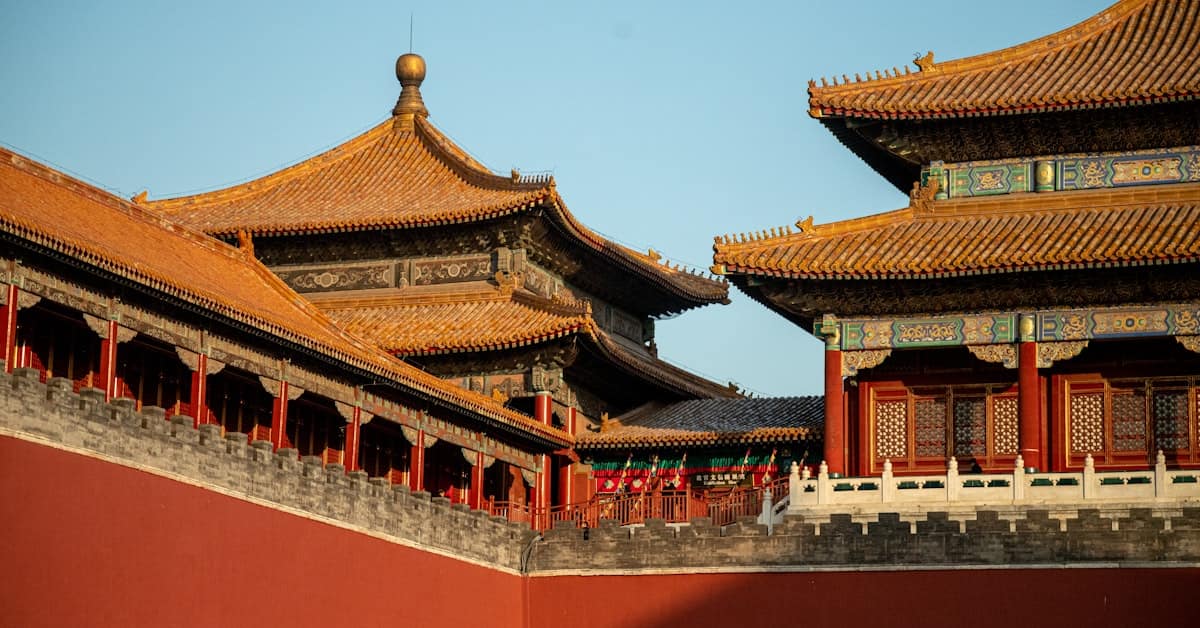
Most people come to Beijing for the Forbidden City and the Great Wall and leave having spent half their time stuck in traffic between the two. That is not a knock on Beijing. It is a logistics problem, and it is almost entirely avoidable. The city rewards travelers who understand its scale before they arrive, who pick neighborhoods over checklists, and who learn its subway map before its tourist map.
This guide is for first-time visitors planning three to five days in the capital. It assumes you already know about the Forbidden City and the Wall, and want to know what to actually do beyond them, where the city is worth your slow time, and what is overrated.
The Real Beijing Layout: Concentric Rings, Not a Grid
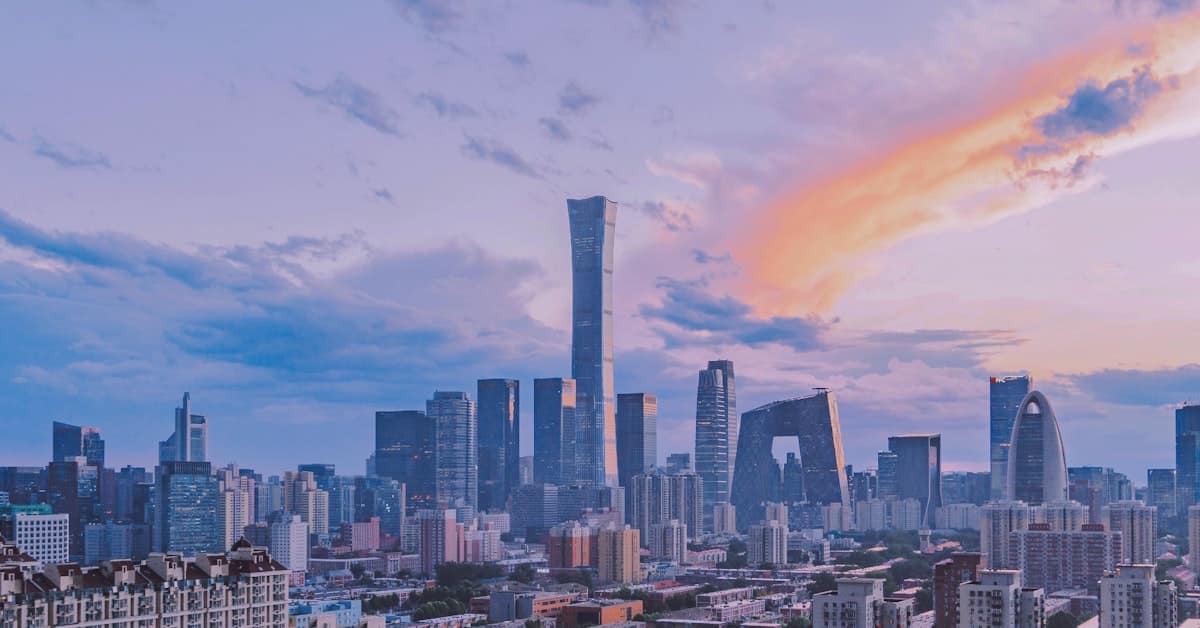
Beijing is built on concentric ring roads, not a Manhattan-style grid, and that fact alone will reshape your itinerary. The Forbidden City sits dead center inside the Second Ring Road. Most historical sights cluster within the Second and Third Rings. The modern business districts, art zones, and most international hotels sit between the Third and Fifth Rings. The airport is outside the Sixth.
What this means in practice: distances are deceiving. A taxi from your hotel near Sanlitun to the Summer Palace looks like a short hop on the map and takes 50 minutes on a weekday afternoon. Plan your days around clusters of attractions in the same ring or quadrant, not based on straight-line distance.
In my experience, the single biggest mistake first-timers make is booking a hotel near the airport or in the far east of the city because it was cheaper, then losing two hours a day in transit. Stay inside the Second Ring if your budget allows, or right next to a Line 1 or Line 2 subway stop if not.
Getting Around: Subway First, Everything Else Second
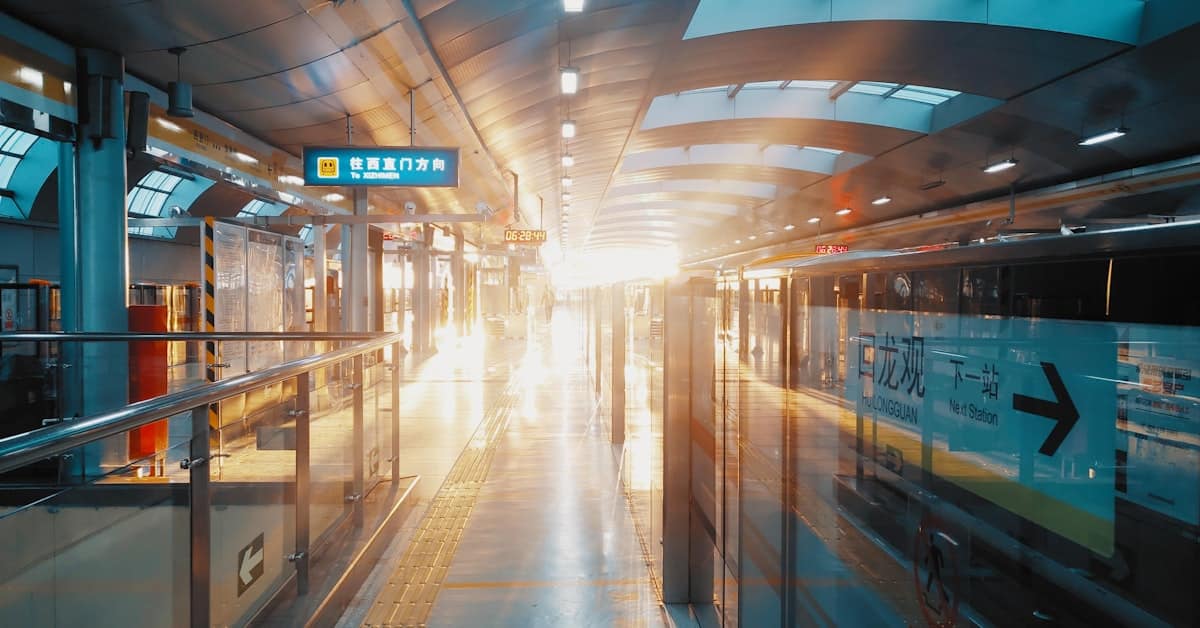
The Beijing Subway is your default. It covers every major attraction, costs 3 to 9 yuan per ride based on distance, and runs from roughly 5:30am to 11pm. The signage is bilingual, the announcements are in Mandarin and English, and the trains run every two to three minutes on the main lines during peak hours.
Buy a Yikatong transit card at any station for a 20 yuan deposit. Top it up at the machines (they take cash and increasingly accept WeChat Pay). Alternatively, link your foreign Visa or Mastercard to WeChat Pay (the policy change took effect in 2023 and works smoothly as of 2026) and use the in-app subway QR code — no card needed.
When to Take a Taxi or DiDi Instead
DiDi (the local Uber equivalent) is worth it for three situations: arriving or leaving with luggage, getting back to your hotel after 11pm, and any trip that involves crossing more than three subway lines. Download the DiDi app in English before you land. It accepts foreign cards as of 2024, though the verification step occasionally fails — have WeChat Pay as a backup.
Honestly, hailing a regular taxi on the street has gotten harder every year. Most drivers prefer app bookings now, and many will pretend not to see you if you do not look like a regular fare. If you have to flag one, do it near a major hotel where the queue is enforced.
What About the Airport?
The Airport Express subway connects Terminals 2 and 3 of Beijing Capital International to Dongzhimen on the Second Ring in 25 minutes for 25 yuan. From Dongzhimen, transfer to Lines 2 or 13. From Beijing Daxing International Airport, take the Daxing Airport Express to Caoqiao on Line 10. Both options beat a taxi during weekday peak hours by 30 to 60 minutes.
What to See Beyond the Forbidden City and the Wall
You will spend a morning at the Forbidden City and a day on the Great Wall — and the section you pick matters more than you think. After that, here is where to put your remaining days.
Temple of Heaven Over the Summer Palace (if you have to choose)
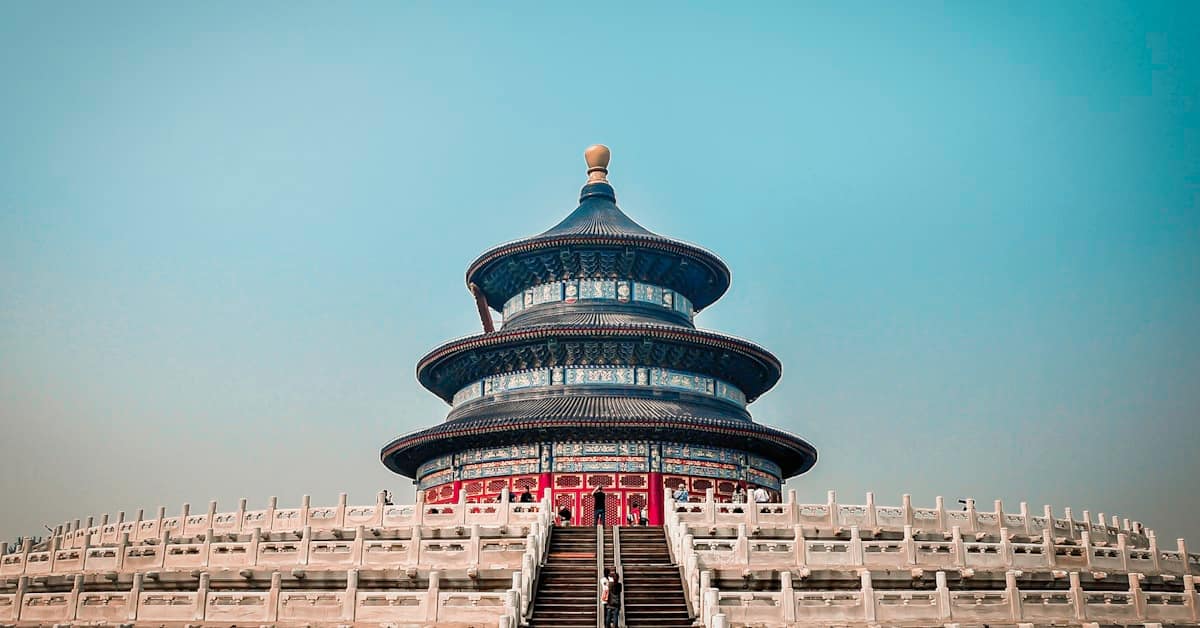
If you only have one half-day for a major imperial site beyond the Forbidden City, choose the Temple of Heaven. It is more architecturally unusual than the Summer Palace, the Hall of Prayer for Good Harvests is the most photographed building in Beijing for good reason, and the surrounding park fills with Beijing locals doing tai chi, calligraphy on the ground with water brushes, and ballroom dancing in the early morning. Go at 7am — entrance is 15 yuan, the park opens before the main halls, and you will see a side of the city that vanishes by 10am.
The Summer Palace is also worth visiting, but it needs a full half day and the lake-walking can feel repetitive. Build it into a longer day combined with Yiheyuan’s neighborhood, or save it for a second trip.
Hutong Neighborhoods: Skip Nanluoguxiang, Go to Wudaoying
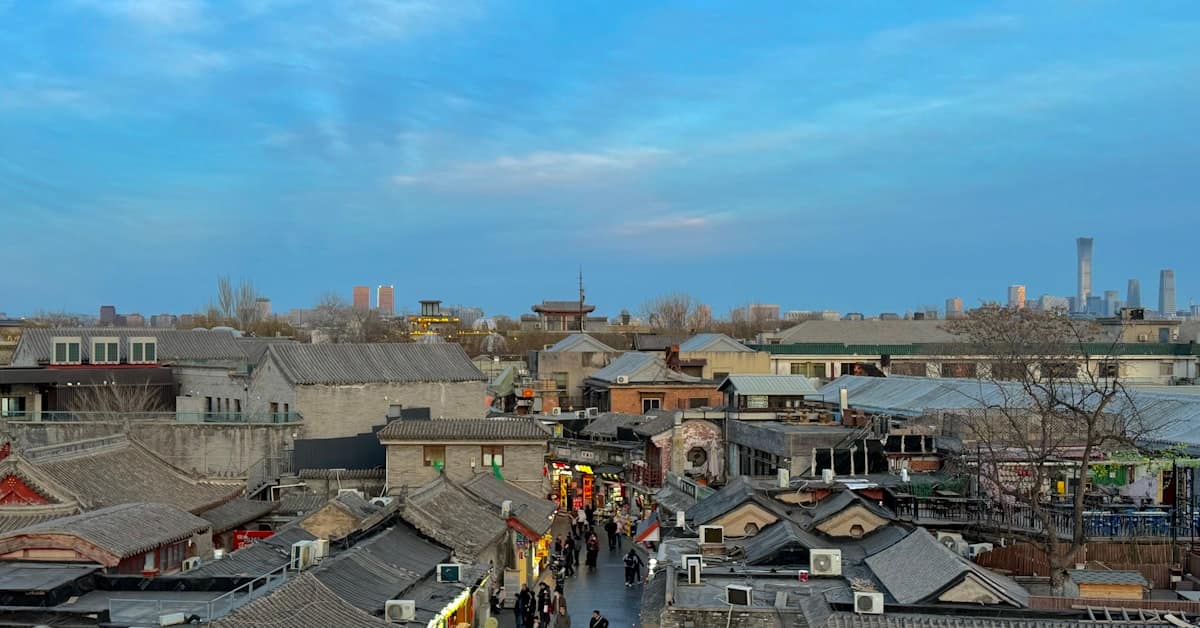
The hutongs — Beijing’s grey-brick alleyways and courtyard homes — are the city’s most distinctive urban texture. Most guides send first-timers to Nanluoguxiang. Skip it. It has been a tourist trap since around 2014, full of chain milk tea shops and identical souvenir stores aimed at domestic Chinese visitors.
Go to Wudaoying Hutong instead, near the Lama Temple. It is shorter (about 600 meters), the storefronts are mostly independent (small bookshops, third-wave coffee, a few good craft beer bars), and you can walk to the Lama Temple and the Confucius Temple in 10 minutes. The eastern end of Gulou Dongdajie, near the Drum Tower, is also good for evening wandering — less curated than Nanluoguxiang, more shops aimed at locals.
If you want to see what an actual hutong residential block looks like (laundry hanging, retirees playing Chinese chess, cats), wander the alleys north of the Forbidden City and south of Jingshan Park. They have no name on a tourist map, which is the point.
798 Art District If You Like Contemporary Art, Otherwise Don’t Bother
798 is the converted Bauhaus factory complex turned gallery district in the northeast. It is genuinely good if you have an interest in contemporary Chinese art, photography, or industrial architecture. Entry is free, individual galleries charge 30 to 80 yuan, and you can fill three to four hours easily.
If you do not specifically care about contemporary art, skip it. It is far (40 minutes from the Second Ring), there is nothing else nearby that justifies the trip, and the cafes are overpriced. Use that time on a hutong walk instead.
What is Overrated
Two attractions appear on most generic Beijing lists that I would actively skip:
- Wangfujing Snack Street: The famous one with scorpions on sticks. It is staged for tourists, the food is mediocre, and no Beijing local has eaten there in 20 years. If you want real Beijing street food, go to Huguosi Street near Houhai or the alleys around Niujie (the Hui Muslim quarter).
- Olympic Park and the Bird’s Nest: Unless you have a personal interest in the 2008 Olympics, there is nothing to do there. The buildings are impressive in photos and underwhelming in person, and the area is dead at night. Worth at most a 20-minute drive-by, not a half day.
Where to Eat: Districts Over Specific Restaurants
Restaurant recommendations age badly in China. Chefs move, ownership changes, and a place that was excellent in 2024 might be mediocre by 2026. Better to learn the food districts and pick on the ground.
Ghost Street (Guijie) for Late-Night Local Food
About 1.5 kilometers of restaurants on Dongzhimen Inner Street, open until 2am or later. Specializes in spicy crayfish (mala xiaolongxia), hot pot, and lamb skewers. The crowd is mostly Beijing locals in their twenties and thirties. Prices run 80 to 150 yuan per person. Go after 9pm for the atmosphere; expect a 30-minute wait at popular places on weekends.
Niujie for Halal and Beijing Muslim Food
The Niujie (Ox Street) area in southwest Beijing has been the city’s Hui Muslim quarter for around 1,000 years. The mosque is worth a brief visit (10 yuan, modest dress required), but you are really here for the food. Niujie Mosque area has dozens of halal bakeries and lamb restaurants, most charging 30 to 60 yuan per person for excellent food you cannot get in your hotel district.
Peking Duck: Where to Go, Where to Skip
The famous Quanjude is overpriced and tourist-oriented. Skip it. Beijing locals will tell you Siji Minfu is the standard answer for excellent duck at fair prices (around 268 yuan for a whole duck as of 2026), with several locations including one near the Forbidden City’s east gate. Book through their WeChat mini-program or just show up at 5pm before the dinner rush. Da Dong is also reliable but more expensive (around 358 yuan a duck) and pushes the “crispy” style some traditionalists find dry. For a deeper look at what dishes to try across the country, our guide to essential Chinese dishes from Peking duck to mapo tofu covers what to order beyond the capital.
Day Trips: Pick One, Not Three
Most first-timers try to fit the Great Wall, the Ming Tombs, and the Summer Palace into a single day. Do not do this. The Wall alone is a full day if you do it properly, and the Ming Tombs are honestly not worth the time unless you have a specific interest in imperial burial architecture.
If you have one day for a day trip, spend it at the Great Wall. Mutianyu is the easy default (90 minutes by DiDi, 130 yuan entrance, cable car or chairlift to the wall, toboggan back down for 100 yuan). Jinshanling is the better choice if you are willing to give up convenience for actually quiet ridgeline walking — closer to three hours each way, but you will share the wall with a few dozen people instead of a few thousand. We break down the trade-offs in detail in our guide to which section of the Great Wall to visit.
Is the Ming Tombs Day Trip Worth It?
No, for most travelers. The Sacred Way (the avenue of stone animal statues) is mildly interesting for 20 minutes, and the underground tomb chambers feel anticlimactic compared to what you imagine. Unless you have a Ming dynasty fixation, skip it and use the day for a longer hutong walk or a half-day at the Summer Palace.
What to Sort Out Before You Arrive
Beijing-specific logistics are similar to the rest of China but with a few city-specific quirks. Our broader China visa and entry rules guide covers the visa-free transit and tourist visa policies in detail; everything below is what you need on the ground in the capital.
- WeChat Pay (set up before you land): Link a foreign Visa or Mastercard. As of 2026 the verification works smoothly for most travelers. You will use it for everything: subway, taxis, restaurants, snack vendors. Beijing accepts cash everywhere but you will save 10 minutes a day not waiting for change.
- VPN (install before entry): Google, Instagram, Facebook, WhatsApp, and most Western news sites are blocked. Test your VPN before you leave home — paid services like Astrill and ExpressVPN are reliable as of early 2026; free VPNs mostly do not work in China.
- Air quality app: Download “AQI” or check IQAir before each day. Beijing air has improved significantly since 2017 but still has bad days, especially in winter. If the PM2.5 reading is over 150, swap your outdoor temple day for a museum day (the National Museum on Tiananmen Square is free and excellent).
- Hotel district choice: Wangfujing or Qianmen for first-timers (walking distance to the Forbidden City), Sanlitun for nightlife and modern restaurants, Houhai for hutong atmosphere. Avoid hotels east of the Fourth Ring unless you have a specific reason. Our China hotel booking guide for foreigners covers the registration quirks (passport required at check-in, some boutique hotels still cannot host foreign guests).
- Tickets: Forbidden City tickets cost 60 yuan in low season (November to March) and 80 yuan in peak season. Buy three to seven days ahead through the official mini-program (gugong.ktmtech.cn) or via your hotel concierge. Same-day tickets sell out by 9am on weekends. Bring your passport to enter.
How Many Days Do You Actually Need in Beijing?
Three full days is the realistic minimum to see the headline sights without rushing; four lets you breathe and add a proper hutong day; five gives you a real day trip plus margin. Anything less than three days and you will spend most of your time in transit. If you are fitting Beijing into a broader country trip, our China itinerary guide with 7, 10, and 14-day routes shows how the capital fits with Xi’an, Shanghai, and Chengdu.
A Sample Four-Day Structure That Works
- Day 1: Forbidden City (morning, enter from the south gate at 8:30am), Jingshan Park climb for the view back down (afternoon), Houhai Lake area for dinner and evening hutong walk.
- Day 2: Great Wall day trip (Mutianyu or Jinshanling). Return by 6pm, light dinner near your hotel.
- Day 3: Temple of Heaven at 7am, then either Niujie Muslim quarter for lunch and the National Museum afternoon, or Lama Temple plus Wudaoying Hutong if you want a slower pace.
- Day 4: Summer Palace half-day, free afternoon for 798 art district or shopping in Sanlitun. Peking duck dinner at Siji Minfu.
What I Got Wrong the First Time, and What to Do Instead
| The mistakes I see most often | What actually works |
|---|---|
| Booking the Badaling section of the Wall because it’s the “most famous” | Mutianyu for ease, Jinshanling for quiet — Badaling is wall-to-wall tour groups year-round |
| Trying to see the Forbidden City and the Summer Palace in the same day | Pair the Forbidden City with Jingshan Park and Houhai; give the Summer Palace its own afternoon |
| Eating Peking duck at Quanjude because the guidebook said so | Siji Minfu — same quality, half the price, no theme-restaurant feel |
| Hailing taxis on the street to save the app hassle | DiDi for everything; refusal rate from street taxis is real, especially for non-Mandarin speakers |
| Picking a hotel based on price alone, ending up near the Fifth Ring | Anywhere walkable to a Line 1 or Line 2 stop, ideally inside the Second Ring |
| Visiting Wangfujing Snack Street for “authentic” Beijing street food | Ghost Street after 9pm, or the alleys around Niujie for the real version |
One last thing: download an offline map of Beijing (Maps.me or OsmAnd both work without a VPN) before you leave the hotel each morning. Google Maps works with a VPN but VPNs drop, and Apple Maps in China is functional but uses different romanization than your guidebook. An offline map has saved more first-time Beijing itineraries than any other single piece of advice in this guide.
Part of our Beijing 7-day series. If you want a structured day-by-day version of what’s covered above, our Beijing 7-day itinerary, which expands the timeline this article fits into.