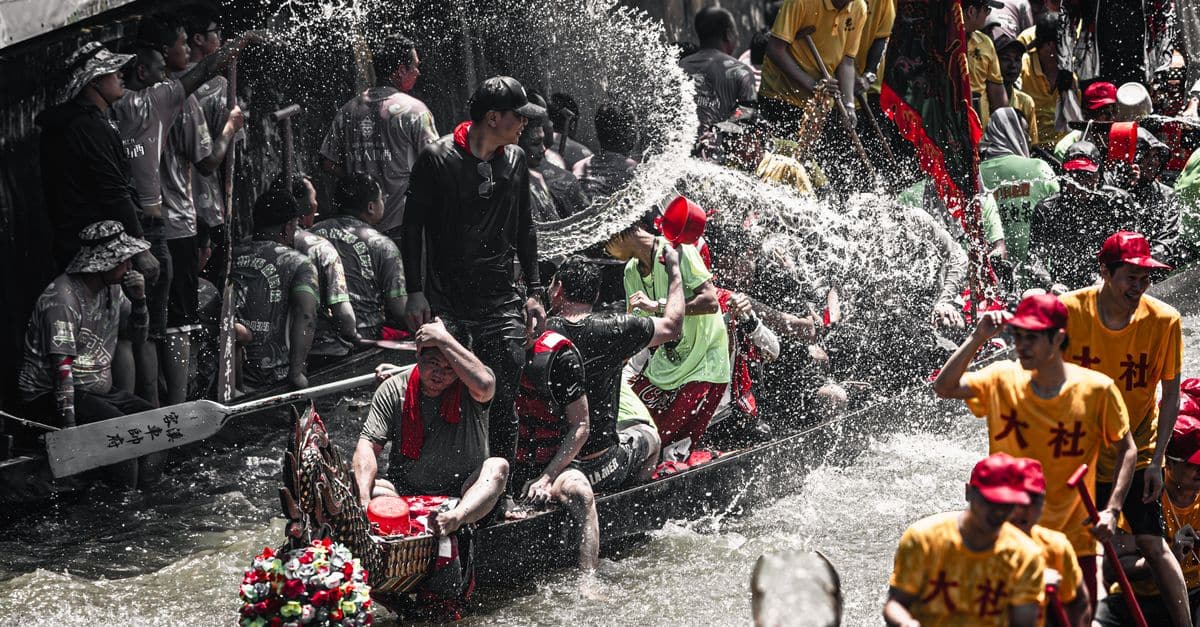
The Dragon Boat Festival Isn’t Really About the Boats
Most English-language guides treat Duanwu Festival as a dragon boat racing event. It’s not. The holiday is a mourning ritual that turned into a food holiday that happens to have boat races attached. The boats are the spectacle. The zongzi is the substance. And the reason for both — a poet who drowned himself in a river 2,300 years ago — is the thing most visitors never learn about and should.
Here’s what that means for you as a traveler: if you show up expecting a sports event, you’ll get bored after 20 minutes of watching teams paddle in circles. If you understand the full picture — the food, the timing, the regional differences, the three-day public holiday logistics — it becomes one of the most rewarding cultural moments to experience in China.
Who Was Qu Yuan and Why Should You Care?
Qu Yuan was a poet and minister in the State of Chu during the Warring States period. He was exiled for opposing a political alliance he believed would destroy his state. When Chu fell to Qin in 278 BC, he walked into the Miluo River and drowned.
The legend says locals raced their boats to save him — that’s the origin of the dragon boat races. They threw rice dumplings into the water so fish would eat those instead of his body — that’s the origin of zongzi. Whether any of this is historically accurate doesn’t matter. What matters is that every family in China still eats zongzi on this day, and in riverside towns across the country, people still race boats. That kind of cultural continuity is rare, and it’s worth being in China for.
Duanwu Festival 2026: Dates, Logistics, and the Holiday Trap
Dragon Boat Festival 2026 falls on June 19 (Friday). The public holiday runs June 19–21, with the statutory day on June 19 and two weekend days making it a three-day break. The government typically requires one makeup workday — check the official State Council announcement in late May for confirmation (as of June 2026).
This is a three-day national holiday, which means the same thing it always means in China: domestic tourism surges, train tickets sell out, and hotel prices in scenic areas jump 30–50%. If you’re planning to be in China during this window, you need to book transport at least 10 days ahead.
Here’s the honest breakdown: the festival itself is one day. The boat races might happen on the holiday or the weekend before, depending on the city. The zongzi-eating starts days in advance. The crowds are worst on the holiday itself and the Sunday of the long weekend.
What’s Open and What’s Closed
Attractions, museums, and parks stay open — most extend hours for the holiday. Banks close on the statutory day (June 19) but reopen Saturday/Sunday if they’re designated as makeup workdays. Convenience stores, restaurants, and transit all run normally or on enhanced holiday schedules. The main disruption is crowds, not closures.
If you’re still planning your trip timing, our China in June guide has the full weather and travel breakdown for the month.
Where to Actually Watch Dragon Boat Races
Not every city puts on a race. And the ones that do vary wildly in scale. Here’s the real ranking, not the tourist-board version:
The Big Spectacles (Worth Traveling For)
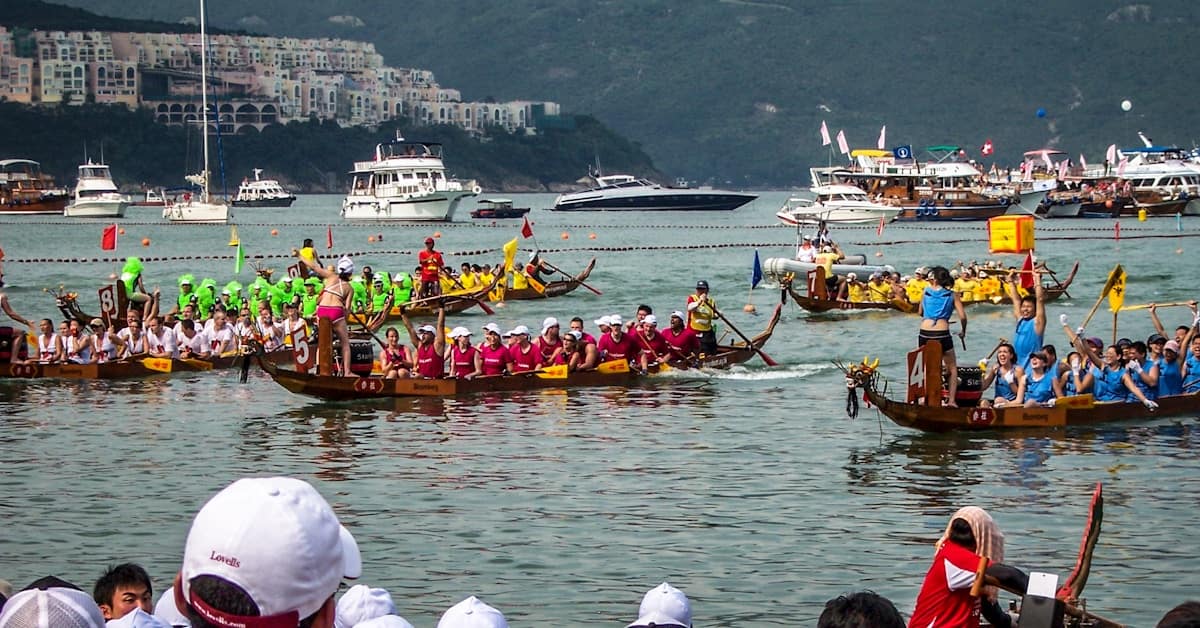
Yueyang, Hunan — This is where Qu Yuan drowned, on the Miluo River. Yueyang treats Duanwu as its biggest event of the year. The races are large, the ceremonies include traditional rituals you won’t see elsewhere, and the entire city turns out. The downside: Yueyang is a third-tier city with limited international tourist infrastructure. Take the high-speed train from Changsha (about 1 hour).
Guangzhou, Guangdong — The Pearl River dragon boat races are massive and well-organized, with dozens of teams and elaborate dragon-headed boats. The Guangzhou version also includes a neighborhood tradition where dragon boats visit different villages along the river — more interesting than the race itself if you can find a local guide. The Guangzhou travel guide covers logistics for getting around the city.
Miluo City, Hunan — Smaller than Yueyang but more authentic. This is the actual town on the Miluo River where the Qu Yuan story takes place. The races here have a ceremonial quality that bigger cities have lost. Getting there requires a bus or car from Yueyang.
The Solid Options (If You’re Already There)
Hangzhou, Zhejiang — Races on the Grand Canal and West Lake. Scenic setting, decent organization, easy to combine with other sightseeing. Arrive early — the West Lake viewing areas fill up by 8am.
Shanghai — The Suzhou Creek race is the main event. It’s convenient if you’re already in Shanghai but feels more like a civic event than a cultural one. Still, the scale is impressive and the infrastructure for visitors is the best in the country.
Foshan, Guangdong — Known for its dragon boat drifting tradition, where boats navigate tight canal turns at speed. This is a different style of racing — more technical, more dramatic, and less about straight-line speed. Worth the 30-minute trip from Guangzhou.
The Skip-It List
Beijing and Chengdu both host races, but they’re small-scale and feel obligatory rather than celebratory. If you’re in those cities anyway, sure, swing by. Don’t change your itinerary for them.
Zongzi: The Food You Can’t Avoid (and Shouldn’t)
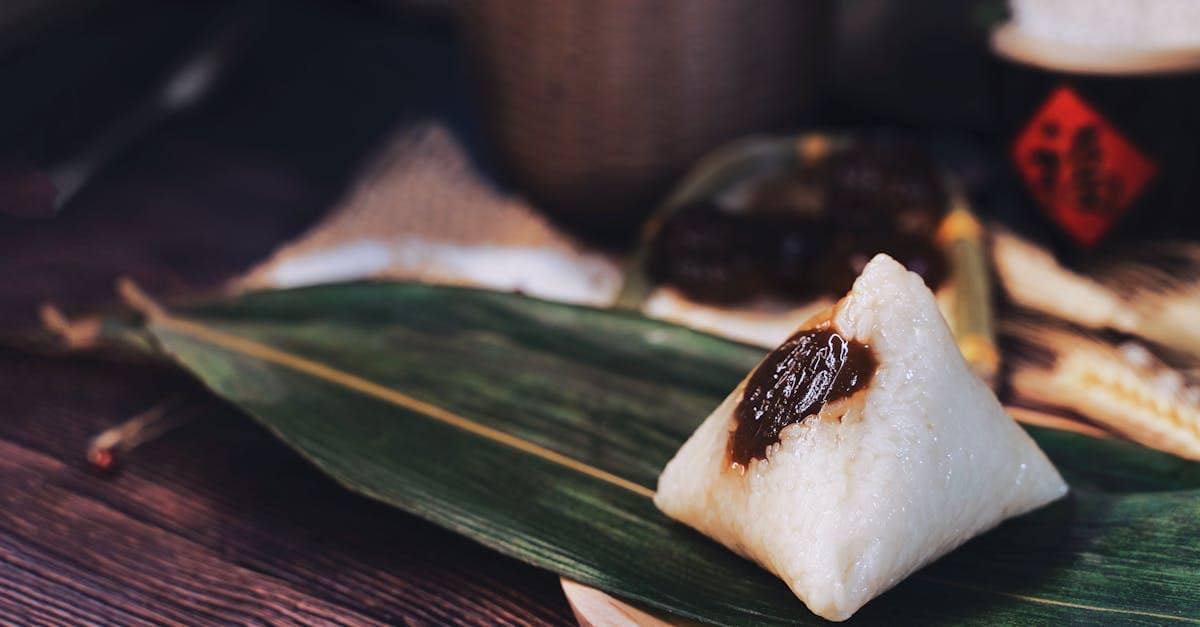
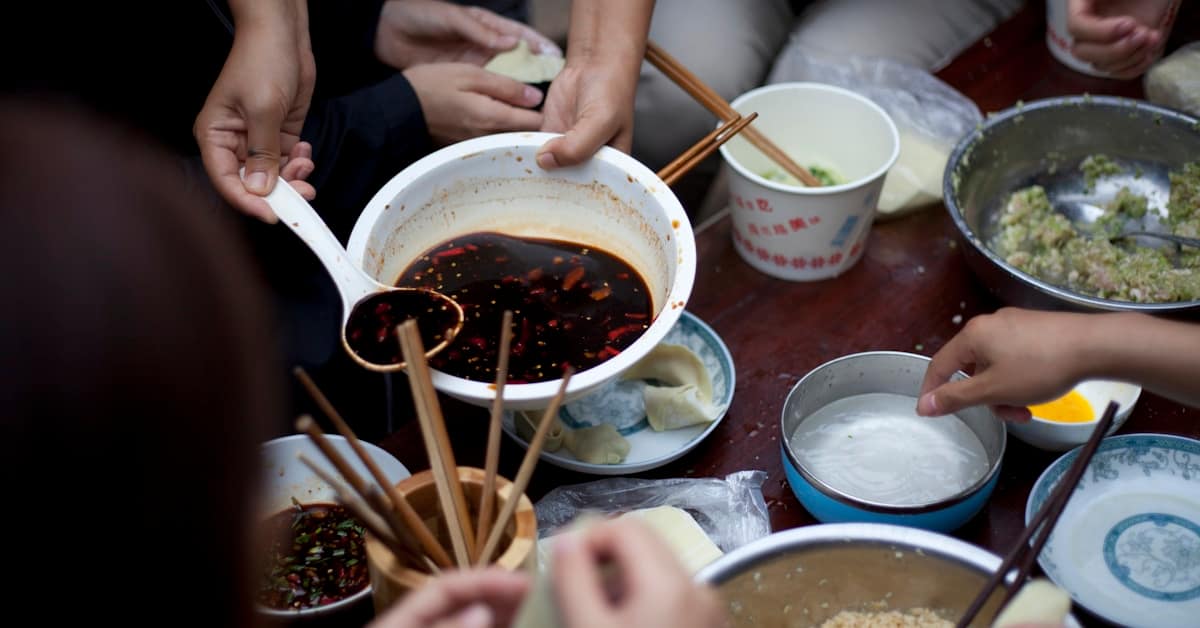
Zongzi is sticky glutinous rice wrapped in bamboo or reed leaves, usually with a filling, steamed for hours. Every region has its own version, and the differences between northern and southern zongzi are a legitimate cultural dividing line in China — people have opinions about this the way Americans argue about barbecue.
Northern Zongzi (Beijing Style)
Small, rectangular, and sweet. The rice is often plain or mixed with red dates (jujube) and sweet bean paste. Eaten at room temperature or cold, sometimes dipped in sugar. Simple, clean flavor. Honestly, this is the one most foreigners prefer first — it’s approachable and not heavy.
Southern Zongzi (Guangdong/Fujian Style)
Larger, triangular, and savory. Fillings include pork belly, salted egg yolk, mushrooms, and sometimes dried shrimp. The rice is soaked in soy sauce before wrapping. This is the one that wins the flavor argument if you’re asking me — the pork fat renders into the rice during steaming and the result is rich, salty, and impossible to stop eating after the first one.
Where to Get Good Zongzi
During the festival week, every convenience store, supermarket, and street vendor sells zongzi. The ones from street stalls and wet markets are better than the vacuum-sealed ones in stores — they’re fresher, the leaves haven’t been compressed, and the rice hasn’t dried out. Prices range from 3 yuan for a basic sweet one at a street cart to 25 yuan for a premium savory zongzi at a specialty shop.
If you want to understand the food culture around Duanwu more broadly, the Chinese street food guide covers the full spectrum of what to eat and where to find it.
What to Book Before You Arrive (and What to Leave Open)
Duanwu is a three-day holiday in a country of 1.4 billion people. The math is simple: if you’re traveling between cities during the holiday window, you need to book ahead. If you’re staying put in one city, you can afford to be more casual.
Book Now (10+ Days Ahead)
- High-speed rail tickets: Open for booking 15 days before departure on 12306.cn or Trip.com. Popular routes (Shanghai–Hangzhou, Guangzhou–Changsha, Chengdu–Chongqing) sell out within hours of release during holidays.
- Hotels in Yueyang, Miluo, or Foshan: These are small cities with limited hotel inventory. Book 2 weeks ahead.
- Flights: Not as competitive as trains but still 20–40% more expensive during the holiday. Book at least a week ahead.
You Can Leave Open
Within a single city, you don’t need to book much. Subways don’t sell out. Restaurants don’t take reservations. The race viewing is free and open to the public — just show up early for a good spot. If you’re staying in a first-tier city (Shanghai, Beijing, Guangzhou), last-minute hotel availability is fine.
The Payment Situation
Street vendors selling zongzi and festival snacks are increasingly accepting WeChat Pay, but some still only take cash. Carry 200–500 yuan in small bills during the festival — you’ll use it for food stalls, drinks, and the small vendors who set up along race routes. WeChat Pay with a foreign card works for most transactions (as of June 2026), but cash is faster and more reliable with older vendors.
The One Thing Most Visitors Get Wrong About Duanwu
They treat it as a one-day event and go only to the race. The festival experience is a three-day arc, and the race is the middle act, not the whole show.
The day before the race, riverside communities prepare the boats — painting dragon heads, decorating hulls, doing practice runs. This is when you can get close, talk to the teams, and see the craftsmanship up close without fighting crowds. On the day itself, get to the riverbank an hour before the posted start time. The opening ceremony, the drumming, the crowd building — that’s the real atmosphere, and it starts well before the first boat pushes off.
The day after is for the food. Families who’ve been saving their best zongzi recipes for weeks will share them. Wet markets have the widest selection. And the crowds have thinned, which means you can actually move around and explore.
Miss any one of these three days and you’re getting a third of the experience. That’s the mistake I see most often — people show up for the race, watch it for an hour, leave, and wonder what the big deal was.
The big deal was everything around the race. Get there early, stay late, eat everything you’re offered, and don’t try to cram it into a single morning.
Common Mistakes vs. Better Approaches
| Common Mistake | Better Approach |
|---|---|
| Showing up only on race day | Arrive the day before for boat prep — fewer crowds, better access |
| Going to Beijing/Chengdu races expecting a big event | Head to Yueyang, Guangzhou, or Foshan for the real spectacle |
| Buying vacuum-sealed zongzi from convenience stores | Get fresh ones from wet markets or street stalls — night-and-day difference |
| Booking transport the week of the holiday | Lock in train tickets 15 days out; they disappear fast on holiday routes |
| Watching the race from the main grandstand area | Find a spot along the river bend where boats slow for the turn — better view, fewer people |
Q: Where do they celebrate Dragon Boat Festival in China?
Most authentic races in southern China: Hunan (Yueyang, Miluo River where the festival originated), Guangdong (Foshan, Guangzhou), Zhejiang (Hangzhou, Wenzhou). Beijing and Shanghai host races but more tourist-oriented. Hong Kong’s Stanley International Dragon Boat Races are the most internationally famous.
Q: What do you eat during Dragon Boat Festival?
Zongzi (粽子) is essential – glutinous rice wrapped in bamboo leaves, sweet fillings (red bean, dates) in north, savory (pork, salted egg yolk) in south. Also realgar wine, salted duck eggs, seasonal fruits like lychee and cherries.
Q: Is Dragon Boat Festival a public holiday?
Yes – official 3-day public holiday since 2008. In 2026: June 19-21. Government, schools, most businesses close. Major attractions open but at peak domestic crowd density. Hotels in festival destinations sell out 2-3 weeks ahead.
One thought on “Dragon Boat Festival 2026: What to Expect, Where to Watch, and What to Eat”