Mahjong Isn’t a Game — It’s a Social System
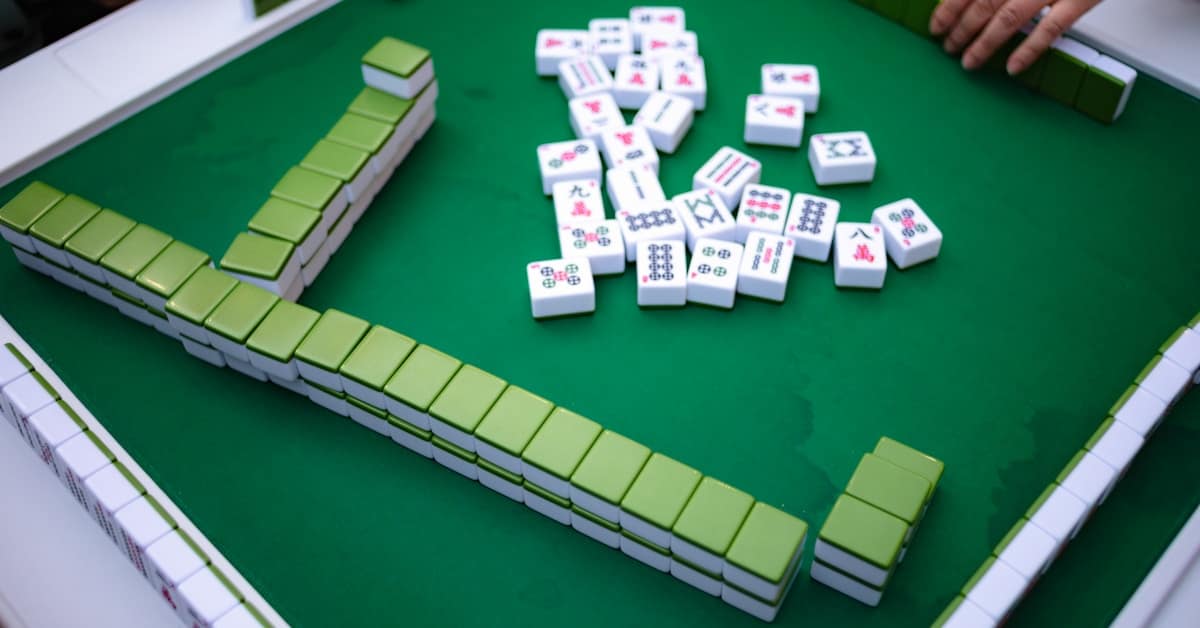
Foreigners tend to treat mahjong as a Chinese version of poker or rummy. It isn’t. Mahjong in China is closer to a shared operating system — a way that families, neighbors, and strangers establish trust, kill time, and quietly negotiate social hierarchies. The game itself matters less than the fact of sitting together and playing it.
This distinction is important because it changes how you approach learning it. If you just want to understand the rules and play a few rounds as a novelty, you can pick that up in an afternoon. If you want to actually sit down at a table with Chinese players and not get silently resented, you need to understand the etiquette that surrounds the tiles — and that takes longer.
Here’s the honest assessment: mahjong is worth learning if you’re spending more than a week in China, especially if you’ll be around locals rather than other travelers. It opens doors that nothing else does — not even the tea culture that China is equally famous for — park tables, family gatherings, late-night sessions after dinner. Nobody expects you to be good. They expect you to try.
What Mahjong Actually Is (and Isn’t)
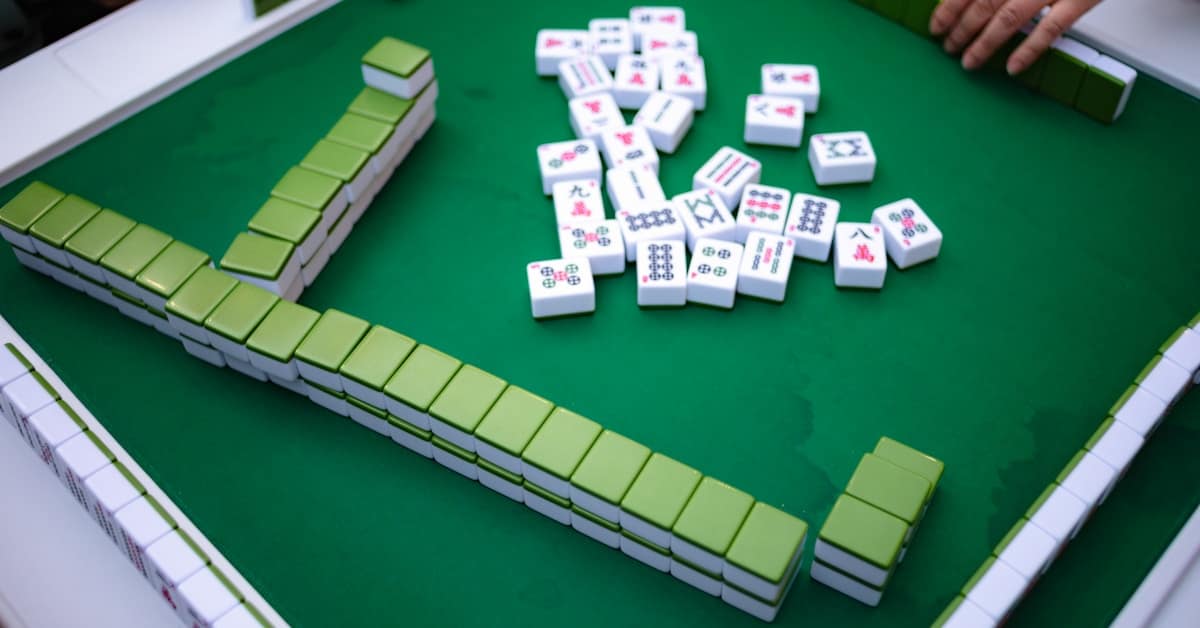
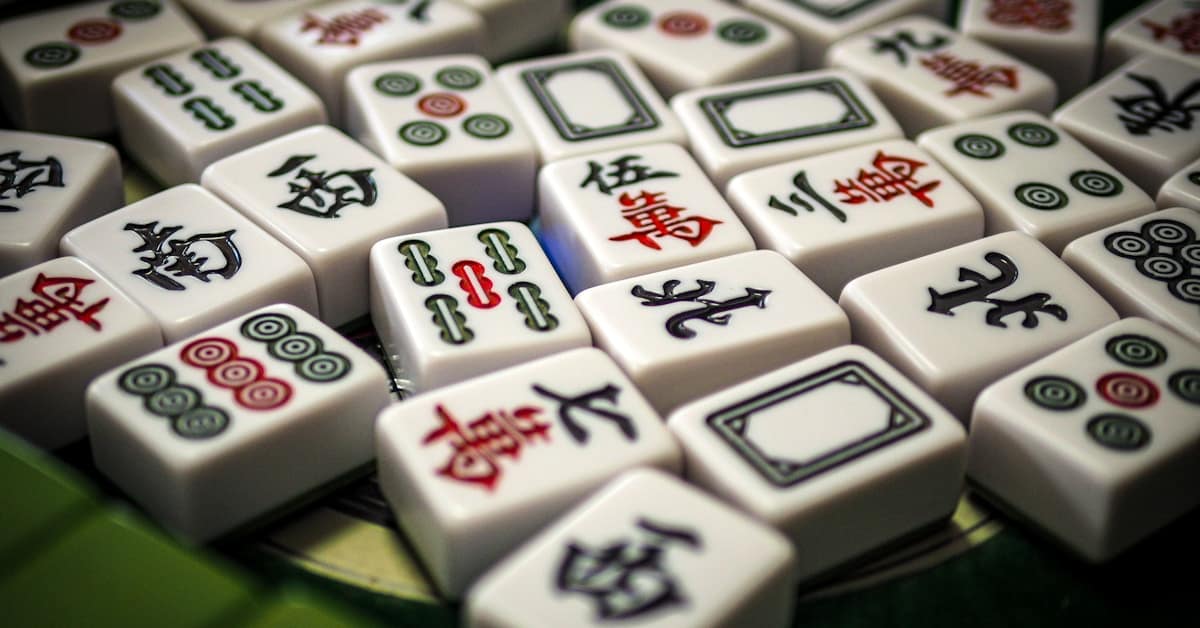
Mahjong is a tile-based game for four players. Each player draws and discards tiles, trying to form a complete hand of four sets (three-tile combinations) plus one pair. A set can be a pong (three identical tiles), a chow (three consecutive tiles of the same suit), or a kong (four identical tiles). The first player to complete a valid hand wins the round.
It is not like poker — there’s no betting round, no bluffing, no raising. It is not like rummy — the tile combinations are more restricted and the scoring is more complex. The closest Western comparison is gin rummy played with dominos, and even that falls short.
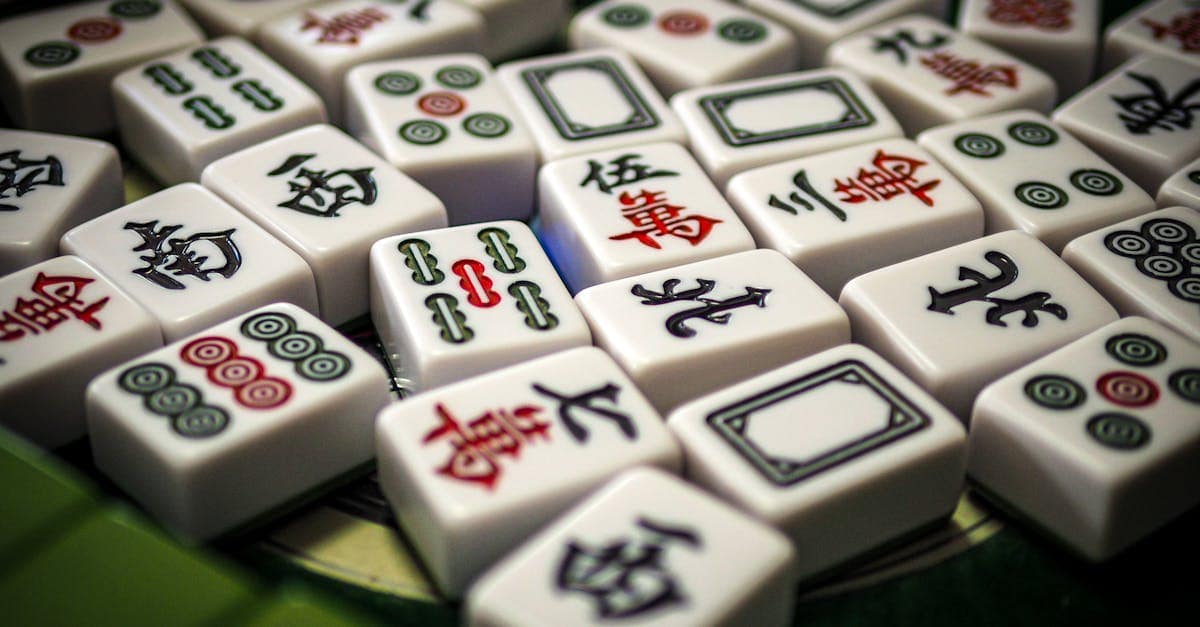
A standard mahjong set has 144 tiles, divided into three suits (dots, bamboo, characters, numbered 1–9 each) plus honor tiles (winds and dragons). Regional variants add or remove tiles and change the winning conditions. More on that below — it matters more than you’d think.
The Rules: Enough to Not Embarrass Yourself
You don’t need to memorize every scoring combination before your first game. Chinese players will teach you as you go — but you do need to understand the basic flow, or the whole thing will feel like random tile-shuffling.
The Flow of a Round
Each round follows this sequence: shuffle → deal → draw → discard → claim → repeat.
- Shuffle: All tiles are placed face-down and mixed. Automatic tables do this for you — they’re standard in China now and feel like magic the first time you see one.
- Deal: Each player draws 13 tiles (the dealer draws 14 and starts).
- Draw: On your turn, draw one tile from the wall (the stack of face-down tiles).
- Discard: Choose one tile from your hand and place it face-up in the center. Announce it if you can — the tile name, like “4 bamboo” or “red dragon.” This is one of the things Chinese players appreciate.
- Claim: If another player discards a tile you need, you can claim it — pong (if you have two matching tiles), kong (if you have three), or hu (if it completes your hand and you win). Priority: hu > kong > pong. You cannot claim for a chow unless the discard comes from the player to your left.
The round ends when someone declares hu (win), or when all tiles are drawn with no winner (a draw, or liuju).
How to Win
A winning hand consists of 4 sets + 1 pair, or one of several special hands that bypass this structure (like “thirteen orphans” — one of each terminal and honor tile plus a pair). The most basic win: four chows and a pair. The most common win: a mix of pongs and chows plus a pair.
Honestly, for your first few games, focus on building sets and getting the structure right. Don’t worry about maximizing your score — just completing a hand is achievement enough. Chinese players will help you see winning combinations you’ve missed. Let them.
Regional Variants: The Same Game, Different Rules
This is where most foreigners get confused. Mahjong in China is not one game — it’s a family of games, and the rules change by region the way dialects change. If you learn Sichuan mahjong and sit down at a table in Guangdong, you’ll be lost.
The Three Main Variants You’ll Encounter
Sichuan Mahjong (Sichuan/Guizhou/Chongqing): The simplest variant for beginners. Uses only three suits (no honor tiles — no winds, no dragons). This makes the tile pool smaller and the game faster. Winning is based on forming sets and a pair, with bonus points for special patterns. If you’re going to learn one variant, learn this one — it’s the most forgiving and the most common in western China.
Cantonese Mahjong (Guangdong/Hong Kong): The most commonly played variant internationally. Uses all 144 tiles including honor tiles. Scoring is more complex, with specific fan (point) values for different hand combinations. Games take longer. This is the version you’re most likely to find in Chinatowns worldwide.
Shanghai/Jiangsu Mahjong: Somewhere between the other two in complexity. Adds flower tiles (bonus tiles that give extra points). The rules around claiming discards are stricter. Not the best starting variant.
In my experience, you should ask what variant the table is playing before you sit down. This is not an awkward question — Chinese players are used to regional rule differences and will explain their local rules willingly. If you’ve only learned one variant, say so. They’ll adjust.
Where to Actually Play Mahjong as a Foreigner
You can’t just walk up to any mahjong table and sit down. The game requires four players and runs on implied social contracts. But there are reliable entry points.
Parks and Public Spaces
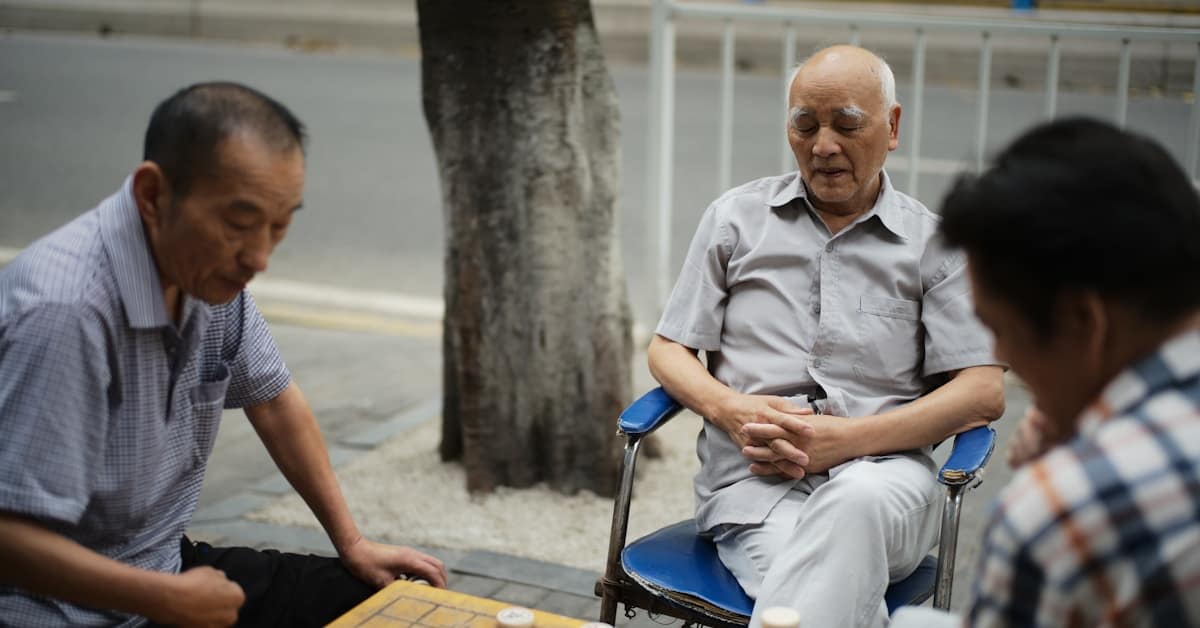
In every Chinese city, parks have mahjong tables — usually elderly players who set up portable tables under trees or in pavilions. These are the easiest games to join as a foreigner, because park players are the most casual and the most curious about outsiders. Walk up, watch for a few minutes, and say “Wo ke yi wan ma?” (Can I play?). If there’s an open seat or a player is willing to rotate out, you’ll be invited in.
The catch: park mahjong is slow, chatty, and forgiving. You’ll be corrected constantly, offered snacks, and asked about your home country. This is the best possible outcome for your first few games.
Teahouses
In Chengdu and other western Chinese cities, teahouses double as mahjong venues. You rent a table by the hour (10–30 yuan per person depending on the teahouse), order tea, and play. Many teahouses have regulars who’ll adopt a willing foreigner for an afternoon. The Chengdu guide has specific teahouse recommendations near People’s Park.
Mahjong Parlors (Mahjong Guan)
Every Chinese neighborhood has at least one dedicated mahjong parlor — a room with several automatic tables, usually above a shop or in a residential building. These are more formal: you pay by the hour (20–50 yuan per person), tea is included, and the players are regulars who take the game more seriously. Foreigners are welcome but should have a basic understanding of the rules before joining — the pace is faster and the tolerance for mistakes is lower.
Hostels and Guesthouses
Many hostels in China have a mahjong set in the common room. This is the lowest-pressure environment — other guests are often curious too, and you can learn together. Ask the front desk if there’s a set available.
The Etiquette That Nobody Tells You
Knowing the rules is 30% of the battle. The other 70% is not violating the unspoken social code around the table. Here are the things that will get you quietly judged:
Don’t Slow the Game Down
Mahjong moves fast in China — most experienced players make their discard within 3–5 seconds of drawing. As a beginner, you’ll naturally be slower, and that’s okay for the first few rounds. But if you’re still taking 20 seconds per turn after an hour of play, the table will get restless. The fix: when in doubt, discard the tile that doesn’t match anything in your hand. It’s almost always the right move for a beginner.
Don’t Touch Other Players’ Tiles
Each player’s hand is private. Never reach across the table to look at or touch someone else’s tiles, even as a joke. The only tiles you can touch are the ones you draw and the ones you discard.
If You Win, Declare It Loudly
When your hand is complete, say “Hu!” and lay your tiles face-up. Don’t be shy about it. Declaring a win is expected — staying quiet looks suspicious, like you’re hiding something.
If You’re Losing, Lose Gracefully
In casual games, the stakes are usually small (1–5 yuan per round). The social cost of complaining about losing is much higher than the financial cost. Congratulate the winner, laugh it off, and keep playing. Sore losers are the worst thing you can be at a mahjong table in China.
What It Costs to Play
Mahjong in China is cheap entertainment. Here’s the realistic breakdown (as of June 2026):
- Park games: Free. Sometimes 1–2 yuan per round if there’s informal wagering, but you can always decline.
- Teahouse sessions: 10–30 yuan per person for table rental + tea. Plan on 3–4 hours for a proper session.
- Mahjong parlors: 20–50 yuan per person per session. Tea and sometimes snacks included.
- Buy your own set: A basic travel mahjong set costs 50–80 yuan on Taobao. A full-size set with an automatic table costs 800–2,000 yuan — unnecessary unless you’re staying long-term.
Wagering is common in all settings except parks. Typical stakes: 1–5 yuan per point in casual games, 10–20 yuan in more serious sessions. If the stakes make you uncomfortable, say so upfront — there’s no shame in playing for pride only.
For more on managing money while traveling in China, the WeChat Pay and Alipay guide covers everything you need for cashless payments at teahouses and parlors.
The One Thing That Will Get You Invited Back
Learn to say these five phrases before sitting down at any mahjong table in China:
- “Hu!” — I win!
- “Pong!” — I claim this tile for a set of three.
- “Zimo!” — I win from a self-drawn tile (no claiming needed).
- “Guo” — I pass (I don’t claim this discard).
- “Xia jia” — Next player’s turn (when you’re done discarding).
That’s it. Five words. If you can say these five things at the right moments, Chinese players will forgive every mistake you make with the tiles. The effort of speaking even broken mahjong Mandarin signals that you respect the game and the table — and in China, that signal matters more than skill ever will.
The people who get invited back to mahjong tables in China are never the best players. They’re the ones who showed up, tried, laughed at their own mistakes, and made the table feel like a table instead of a competition. Be that person.
Common Mistakes vs. Better Moves
| Common Mistake | Better Move |
|---|---|
| Memorizing scoring tables before your first game | Learn the basic structure (4 sets + 1 pair) and pick up scoring as you play |
| Assuming all mahjong is the same everywhere | Ask which regional variant the table is playing before you sit down |
| Taking 20+ seconds per turn as a beginner | Discard the tile that matches nothing in your hand — fast decisions beat perfect ones early on |
| Refusing to wager even 1 yuan | Accept small stakes or explain upfront — the money isn’t the point, the commitment is |
| Trying to win on your first few games | Focus on completing a valid hand — winning comes later |
One thought on “How to Play Mahjong in China: A Foreigner’s Guide to the Table”