
July is the month most China travel guides quietly skip over. The heat index in Chongqing hits 50°C on a humid day. Shanghai gets soaked by typhoons that shut down Pudong Airport for hours. Domestic tourists flood every major attraction because school is out. And yet — July is also when the high plateau routes open, when Yunnan turns impossibly green, and when you can stand on a Tibetan pass with nobody else in sight. The trick isn’t avoiding China in July. It’s avoiding the wrong parts of China in July.
The Heat Problem: Where 40°C Is the Baseline, Not the Exception
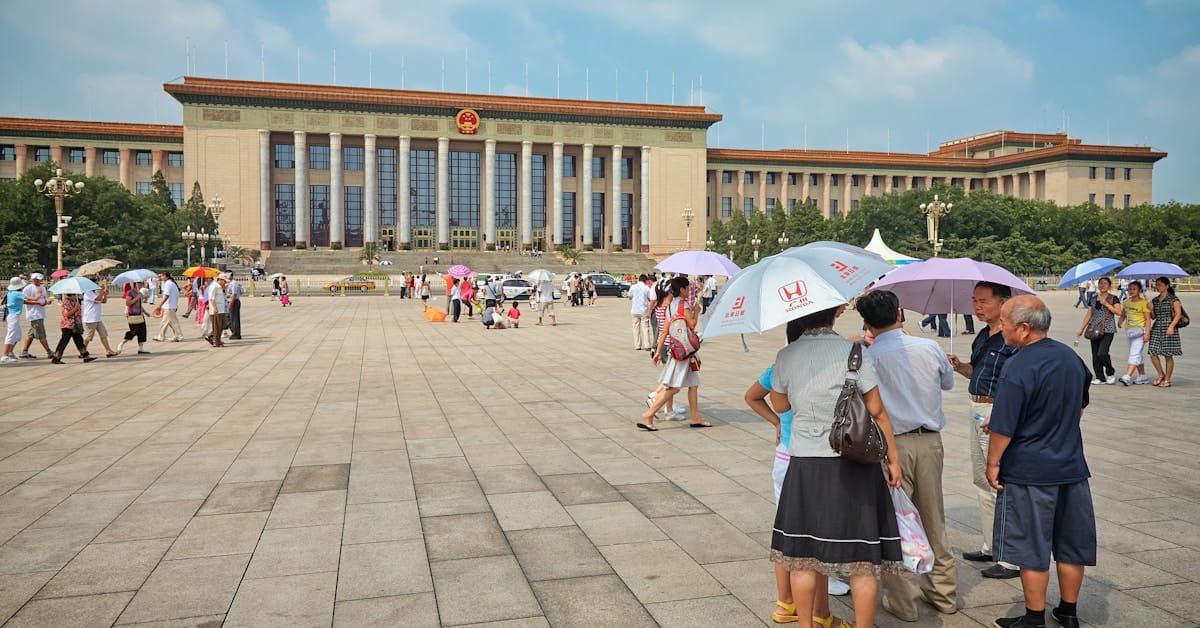
The “Three Furnaces” — Chongqing, Wuhan, and Nanjing — earned that nickname for a reason. Daytime temperatures regularly exceed 38°C (100°F) from late June through mid-August, and humidity pushes the real-feel past 45°C. Beijing and Xi’an aren’t far behind. Even Shanghai, which gets a sea breeze, sits at 34–36°C most afternoons.
If your itinerary has you outdoors between 11am and 4pm in any of these cities, you will be miserable. This isn’t a suggestion — it’s a prediction. The heat isn’t dry; it’s the kind that makes your shirt stick to your back within three minutes of leaving an air-conditioned building.
Honestly, I’ve seen people cut entire cities from their trip because they underestimated July heat. The solution isn’t skipping the cities — it’s restructuring your day. Do outdoor sights at dawn. Museums, malls, and subway-connected areas midday. Street food markets after sunset, when the temperature drops to a manageable 28°C.
Which Cities to Avoid (and What to Do Instead)
If you have flexibility, redirect your July trip away from the furnace belt and toward the high ground:
- Skip Chongqing in July — average high 36°C, humidity 80%+. Go to Kunming instead, where July averages 20–25°C thanks to its 1,900m elevation.
- Skip Wuhan and Nanjing — both sit in the Yangtze floodplain and bake. Go to Guiyang — Guizhou’s capital averages 24°C in July with afternoon thunderstorms that cool things down.
- Shanghai is survivable if you plan around typhoon warnings and treat it as an indoor city during the day. But have a backup plan for flight cancellations.
- Beijing in July is hot and smoggy but manageable if you hit the Great Wall at 7am and spend afternoons in air-conditioned museums.
Typhoon Season: What Actually Happens and How to Plan Around It
Typhoons affect China’s southeastern coast from June through September, with July and August being peak months. The main impact zones are Shanghai, Fujian, Guangdong, and Hainan. When a typhoon makes landfall near Shanghai, the result is usually 12–24 hours of heavy rain, flight cancellations at PVG and SHA, and suspended high-speed rail on coastal routes.
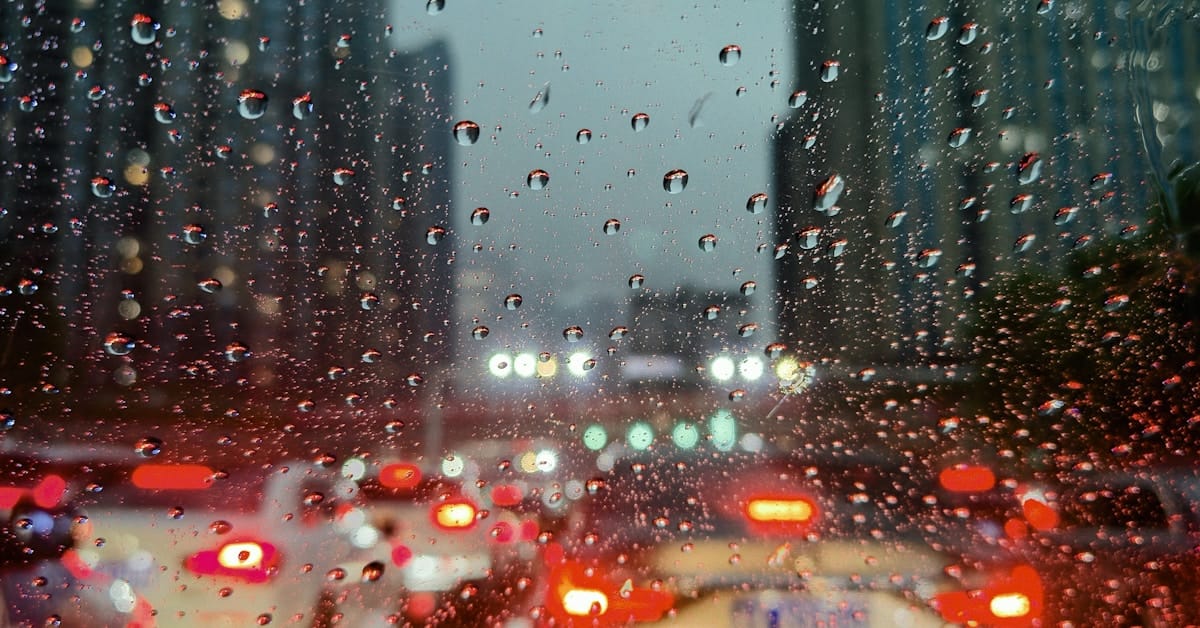
Here’s what most guides won’t tell you: typhoon days are actually great museum days. The rain isn’t constant — it comes in waves. Between bands, the air clears and the temperature drops. The key is flexibility in your schedule and not booking non-refundable transport on dates when a typhoon might hit.
Realistic Typhoon Strategy
Check the China Meteorological Administration (cma.gov.cn) warnings daily. They issue typhoon alerts 48–72 hours in advance. If a typhoon is heading toward your next destination:
- Book high-speed rail instead of flights — trains resume faster after storms and are less prone to multi-day cancellation cascades.
- Keep 1–2 buffer days in your itinerary between coastal cities.
- Download offline maps before the storm — cell towers get overloaded when everyone checks weather simultaneously.
- Hotel staff in China are proactive about typhoon warnings; ask them about the forecast each evening.
The honest answer is that typhoon disruption in July is common enough to plan for but not severe enough to cancel a trip over. I’d still visit the coast in July — I’d just keep my schedule loose and my rail tickets flexible.
Where July Actually Shines: The High-Altitude Routes
While the lowlands cook, the high ground opens up. July is peak season for a reason in western China — it’s the only time some routes are reliably accessible.
Yunnan: The July Default
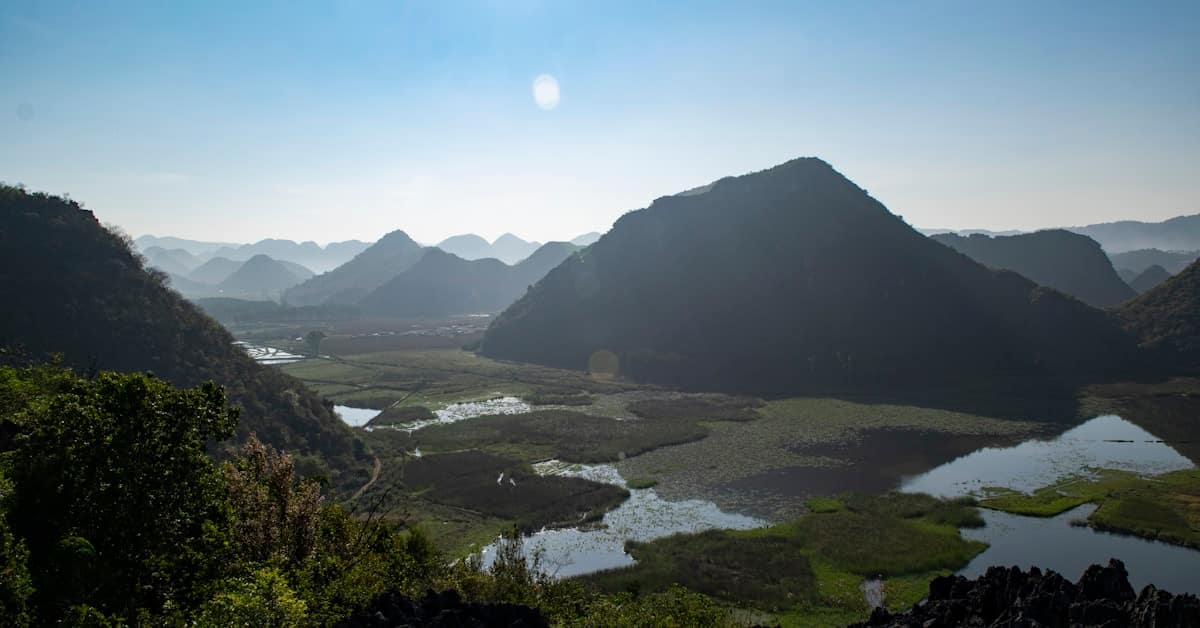
Kunming, Dali, and Lijiang sit between 1,900m and 2,400m. July temperatures: 18–25°C. Afternoon rain is common (30–60 minutes, usually between 3–6pm), but mornings are clear and the countryside is at its greenest. The rain is predictable enough that you can plan around it — do outdoor activities before 2pm, drink tea during the downpour, head back out at 6pm.
Book the required permits for Tiger Leaping Gorge at least a week in advance during summer; the trail gets busy with domestic tourists on university break.
Tibet: July Is the Window
The Qinghai-Tibet Railway and Lhasa flights operate reliably from June through September. July offers the warmest weather you’ll get on the plateau — Lhasa averages 10–23°C, which sounds pleasant until you remember the UV index at 3,650m. Sun protection matters more than warmth.
Tibet Travel Permits take 25–30 days to process. If you want to go in July, apply by late May. The permit window is narrow: February and March are typically closed to foreign travelers entirely.
Qinghai and Gansu: The Underrated July Route
Qinghai Lake, the largest inland lake in China, is surrounded by rapeseed flower fields that turn yellow in July. Xining (2,275m) averages 13–25°C. The drive from Xining to Zhangye’s Danxia landforms takes 4 hours and runs through some of the emptiest, most visually striking landscape in the country. This route sees a fraction of the tourist traffic that Yunnan gets.
In my experience, the Xining–Zhangye–Jiayuguan corridor is the best-kept secret of July travel in China. It’s high enough to stay cool, visually dramatic enough to justify the distance, and empty enough that you don’t need to book anything more than a few days ahead.
Domestic Tourist Crowds: How to Stay Ahead of 200 Million People on Summer Break
China’s summer school break runs from early July through late August. The number of domestic tourists during this period is staggering — the Ministry of Culture and Tourism reported 1.3 billion domestic trips during the 2025 summer season. Every major attraction will have lines. Every hotel in a scenic area will charge peak rates.
Timing Strategies That Work
Arrive at attractions 30 minutes before opening. Not “at opening time” — before it. The difference between 7:30am and 8:00am at the Terracotta Warriors in July is the difference between a 10-minute queue and a 90-minute queue in 35°C heat.
Book everything early. High-speed train tickets open 15 days before departure and sell out on popular routes (Beijing–Shanghai, Chengdu–Jiuzhaigou, Shanghai–Huangshan) within hours. Use Trip.com — it accepts foreign credit cards and lets you book the moment the window opens.
Counter-intuitively, weekdays in July are worse than weekends at some attractions. Why? Because summer camp groups and school-organized trips run Monday–Friday. Weekend crowds are families; weekday crowds are entire schools.
What to Pack for China in July (That You Wouldn’t Pack Other Months)
The standard China packing list needs adjustments for July:
- UV protection clothing: Not just sunscreen — long-sleeve UPF 50+ shirts are standard among Chinese summer travelers. The UV index in Lhasa and Xining exceeds 12 on clear days.
- A compact umbrella: Dual-purpose for sudden rain and sun. Every convenience store in China sells them for 15–20 yuan, but having one from the start saves you from the first downpour.
- Electrolyte packets: You will sweat more than you think. Convenience stores sell Pocari Sweat and similar drinks everywhere, but having your own packets means you can add them to any water bottle.
- A portable fan: The clip-on kind that attaches to your phone. Sounds gimmicky until you’re standing in a 45-minute outdoor queue in 38°C humidity.
- Moisture-wicking underwear: This is not the time for cotton.
The July Itinerary That Works (and the One That Doesn’t)
The Route That Works
Kunming (2 nights) → Dali (2 nights) → Lijiang (2 nights) → fly to Xining → Qinghai Lake (1 night) → Zhangye (1 night) → high-speed rail to Xi’an (2 nights) → Beijing (3 nights). This keeps you at elevation for the hot weeks and finishes in northern cities where you can structure around early-morning sightseeing.
The Route That Will Make You Regret July Travel
Shanghai (3 nights) → Hangzhou (2 nights) → Chongqing (2 nights) → Wuhan (1 night) → Guilin (2 nights). This route locks you into the furnace belt and the typhoon zone for two weeks straight. Every day will be hot, humid, and crowded. There’s a reason this isn’t the best time to visit China’s south.
Costs in July: Peak Season Surcharges Explained
July is peak season for most of China. Expect hotel rates 30–50% higher than spring or autumn. Flights to Lhasa, Jiuzhaigou, and Sanya are at their annual high. The one exception: business hotels in furnace cities (Wuhan, Nanjing) sometimes discount because corporate travel drops.
- 4-star hotel in Shanghai: 600–900 yuan/night (vs. 400–600 in October)
- Flight Beijing → Lhasa: 2,800–3,500 yuan one-way (vs. 1,800–2,200 in April)
- High-speed rail Beijing → Xi’an: 515 yuan second class (price is fixed year-round — trains don’t surge-price)
Rail is the budget equalizer. The high-speed train network doesn’t change prices with the seasons, which makes it the smartest way to cover long distances in July.
Common July Mistakes (and What to Do Instead)
| Mistake | Better Move |
|---|---|
| Booking a 10am Terracotta Warriors ticket because “morning is better” | Book the 8am slot. By 10am in July, the pits are packed with 200-person tour groups and the air conditioning can’t keep up. |
| Assuming typhoons only hit Hainan | Shanghai and Fujian get direct hits too. Check cma.gov.cn, not just weather apps. |
| Packing only shorts and t-shirts for a trip that includes Tibet or Qinghai | The plateau gets cold at night — 5°C in Lhasa after sunset is normal in July. Pack layers. |
| Trying to see four cities in seven days during peak domestic travel season | Cut it to three cities. Transport delays, longer queues, and heat fatigue eat more time than you think. |
| Booking non-refundable flights between coastal cities in July | Use flexible rail tickets or at minimum buy flight insurance that covers weather cancellations. |
One last thing: book your first night’s hotel near a subway station, not near a landmark. In July heat, the 15-minute walk from a “central” hotel to the nearest metro entrance will feel like 45 minutes. Proximity to the subway saves more energy than proximity to attractions.


6 thoughts on “China in July 2026: Heat, Typhoons, and the Routes That Still Work”