September, and I Got Lucky
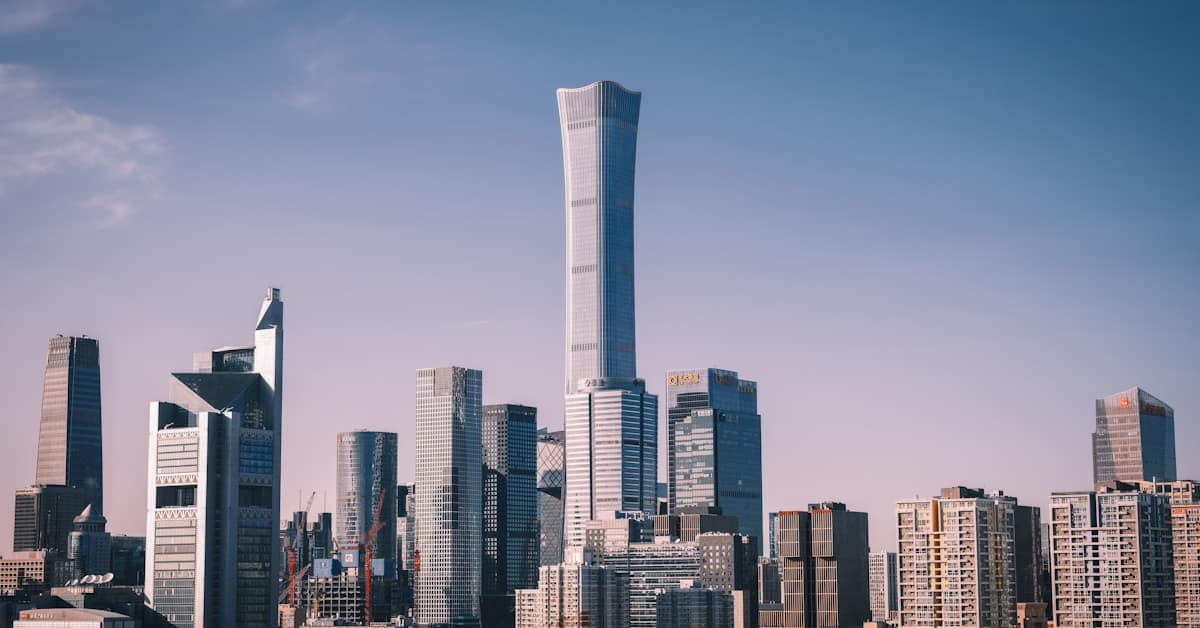
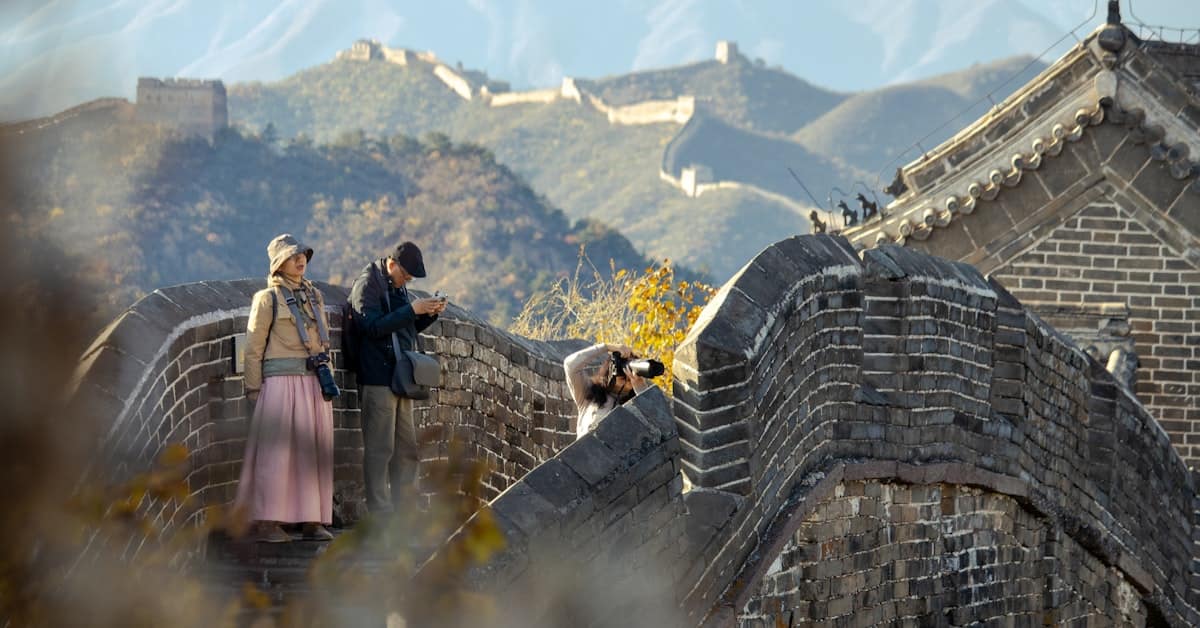
I first went to China in September. I didn’t pick September for any clever reason — it was just when my leave dates lined up. Two weeks later, I realized I’d stumbled into what might be the best window the country offers. Beijing was 26 degrees and dry. The summer haze had lifted. The Great Wall at Mutianyu had maybe a hundred people on it. A vendor at the bottom was selling canned cold coffee for 6 yuan and didn’t try to overcharge me. I sat on a section of wall with no one within fifty meters and thought: this is it. This is the month.
Then I went back in August. Different story. Different everything.
I’m writing this because every China travel article gives you a chart — monthly averages, rainfall tables, crowd indices — and those are useful up to a point. But they don’t tell you what it actually feels like to stand on a train platform in Wuhan at 38 degrees, or to watch Jiuzhaigou empty out at 4pm when the tour buses leave. So here’s what each season actually delivers, based on the trips I’ve taken and the ones I wish I’d skipped.

Spring: March to May
What It’s Really Like
Spring in China is two different seasons depending on where you stand. In the south — Guilin, Guangzhou, Kunming — March is already warm, and the cherry blossoms hit the parks in late March through mid-April. In Beijing and Xi’an, spring doesn’t properly arrive until mid-April. Before that, it’s dusty. The wind comes off the Gobi and carries fine sand that coats every surface and makes your eyes sting. Locals call it the sandstorm season, and it’s not a metaphor.
April is the sweet spot. Beijing clears up, the city’s parks fill with blossoming crabapple and cherry trees, and the temperature sits around 18-22 degrees — perfect walking weather. Shanghai and Hangzhou are also excellent in April, before the plum rain arrives. I walked around West Lake in Hangzhou on an April morning and the light was soft enough that every photo I took looked better than it deserved to.
May: The Warning
May 1-7 is Labour Day Golden Week. Do not come to China during this week unless you enjoy being pressed against strangers at scenic spots. I made this mistake once — arrived at the Forbidden City on May 2nd and the queue for tickets was longer than the complex itself. Major sites hit capacity by 9am. Trains sell out. Hotel prices double. If May is your only option, go after the 7th. The second and third weeks of May are genuinely pleasant — warm, green, and post-holiday quiet.
Summer: June to August — The Hard Months
Why I Don’t Recommend It
I spent two weeks in China in August 2024. I will not do it again. The heat in central and southern China is not a dry, manageable heat. It’s a wet, oppressive humidity that starts at 7am and doesn’t let up until midnight. Shanghai in August felt like walking through a warm sponge. I changed shirts twice a day. My phone overheated and shut down while I was using GPS near People’s Square. The air quality in Beijing was better than I expected — summer rain clears the haze — but the temperature hit 37 degrees and the sun was punishing.
The exception: the west and northwest. If you’re going to Xinjiang, Qinghai, or Inner Mongolia, summer is actually prime time. Long daylight hours, warm but not humid, and the grasslands are at their greenest. I haven’t done the Silk Road in summer yet, but everyone I’ve talked to who has says July is the month for Kashgar and the surrounding region. The June guide covers the early-summer window in more detail if you’re committed to this season.
The Crowd Situation
July and August are school holidays in China. Every domestic tourist with children is on the move. The Great Wall sections near Beijing are packed by 8am. Zhangjiajie’s glass bridge has two-hour queues. Hotel rates in tourist cities peak. International flights are at their most expensive. If summer is your only option because of school schedules, book everything — trains, hotels, park tickets — at least a month ahead.
Autumn: September to November — The One I’d Pick Again
September: The Winner
September is the answer I give when anyone asks me when to visit China. The weather is the best of the year across most of the country. Beijing is warm during the day (24-28 degrees), cool at night, and the sky is frequently blue — a real thing that matters in a city known for its smog. Shanghai and the east coast have shaken off the plum rain. Guilin and the southwest are green and manageable. Yunnan is at its most comfortable. Sichuan is still warm enough for hotpot to feel right but not so hot that the spice becomes unbearable. For specifics on the region, the Sichuan guide covers what each season looks like there.
The crowds are the real advantage. Domestic tourism dips between the summer holidays and the October Golden Week. For those three weeks in mid-to-late September, you get peak weather and off-peak crowds. The Great Wall at Badaling — which I normally wouldn’t recommend — actually felt reasonable on a September Wednesday.

October: Great If You Time It
October 1-7 is National Day Golden Week, and it makes Labour Day look calm. This is the biggest travel week in China. The entire country is on the move. I was in Chengdu on October 3rd once and couldn’t get a table at any restaurant within a ten-minute walk of my hotel. Trains were sold out three days in advance. The panda base had a two-hour wait at the gate.
But October after the 7th? Excellent. The autumn colors start appearing in Beijing’s Fragrant Hills and Jiuzhaigou. The temperature across the country is mild. Guilin’s karst peaks take on a golden hue. It’s probably the most photogenic month in China. Just get here after the holiday ends.
November: The Underrated Month
Nobody talks about November. It’s too cold for the beach crowd, too early for the winter festival crowd, and the autumn leaves are mostly gone in the north. But here’s what November gives you: almost no tourists at major sites, hotel rates that drop 30-40% from their October peaks, and still-reasonable weather in the south. I spent a November week in Guangzhou and it was 24 degrees every day. Shanghai was cool but clear. The flight from London was 40% cheaper than the same route in September.
Winter: December to February — Not What You Think
The North Is Cold. Really Cold.
Beijing in January is -8 to 2 degrees. The wind cuts through any jacket that isn’t rated for it. The Great Wall sections near Beijing become bitterly cold — I lasted forty minutes at Mutianyu in January before my fingers went numb even with gloves. But the air quality is at its best. The sky is blue. The crowds are thin. And the frozen lakes in Beijing’s parks, where people skate and play on the ice, are a side of the city most foreign tourists never see.
Harbin: The Reason to Go in Winter
The Harbin Ice Festival runs from late December through February, and it’s the single best reason to visit China in winter. Massive ice sculptures lit from inside with colored lights, ice slides, ice bars serving vodka at -25 degrees. I went in early January and the temperature hit -30 one night. My eyelashes froze. My phone battery dropped from 80% to dead in twelve minutes. It was extraordinary.

Chinese New Year: The Complication
Chinese New Year falls in January or February (2027: February 6). The holiday period — roughly ten days around the date — is the largest annual human migration on Earth. Hundreds of millions of people travel home. Train tickets sell out within minutes of release. Many businesses close. It’s fascinating and chaotic and not the time for a first visit unless you have local contacts who can help you navigate it. The weeks after Chinese New Year, however, are wonderfully quiet — late February into early March, before the spring crowds build.
The South in Winter
While Beijing freezes, Kunming sits at 16 degrees. Hainan Island is beach weather. Xishuangbanna in southern Yunnan is tropical. If you want to visit China in winter without suffering, head south. I spent a January in Yunnan — Kunming, Dali, Lijiang — and the days were mild, the skies were clear, and the tourist sites were half-empty. Kunming’s Green Lake park was full of red-beaked seagulls that migrate from Siberia every winter. I fed them bread and got pooped on twice. Still recommend it.
What About Price and Visa Timing?
Flight Prices
International flights to China are cheapest in February-March and November. Most expensive in July-August and around Chinese New Year. I booked a round trip from London to Shanghai in November for 420 pounds. The same route in August was 780. That’s a 46% difference for the same seat.
Visa Processing
Chinese tourist visa processing takes 4-5 business days in most countries, but it can slow down around Chinese holidays. Apply at least three weeks before your trip. The visa guide has current processing times by country. If you’re eligible for the 144-hour transit exemption, you can skip the visa entirely for short visits — but the rules are specific about entry and exit ports, so read carefully.
Train Bookings
High-speed train tickets go on sale 15 days before departure. During Golden Weeks and Chinese New Year, they sell out within hours. Use the 12306 app or book through your hotel. The train guide explains the booking system in detail, including which ticket classes are worth the upgrade.
The Short Answer
Go in September. If September doesn’t work, go in late October or April. If you want winter magic and don’t mind the cold, Harbin in January. If you want cheap and quiet, November in the south. Avoid the two Golden Weeks (May 1-7, October 1-7) unless crowds are your thing. And if you end up going in August like I did — bring more shirts than you think you need, and plan your indoor activities for the afternoon.
Photos courtesy of Unsplash