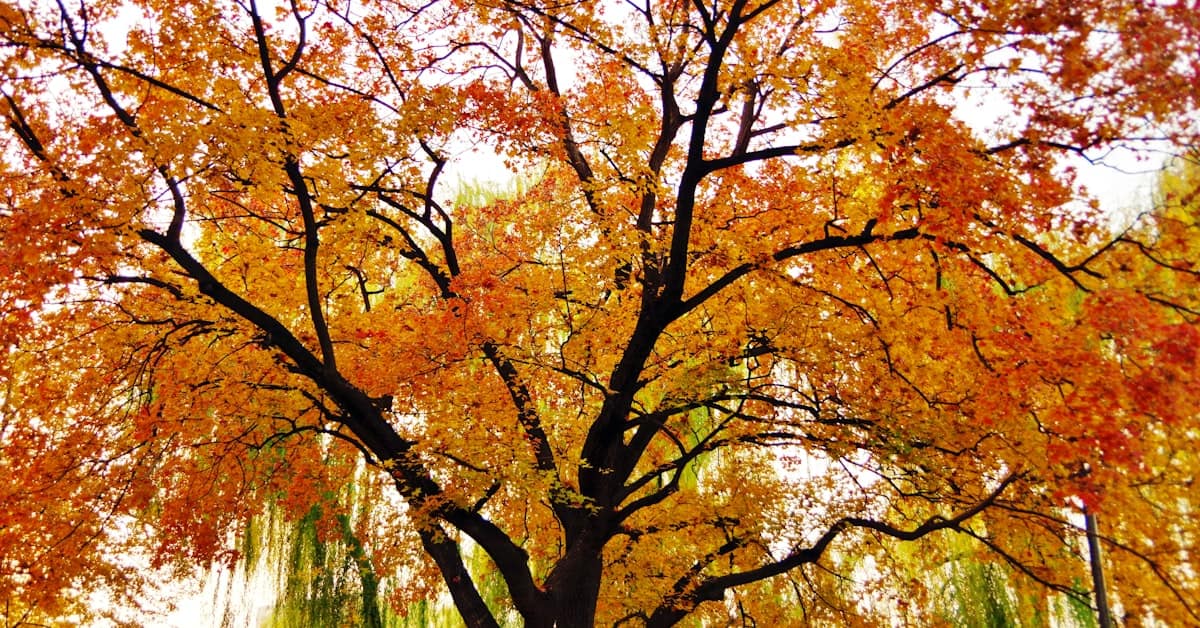
Most first-time visitors to China try to fit six cities into ten days. In my experience, that is the single biggest mistake you can make. China is roughly the same size as the United States. A flight from Beijing to Guilin takes three hours. A high-speed train from Xi’an to Chengdu runs four and a half hours. You cannot ‘do’ China the way you do a week in Italy. The geography does not allow it, and your sanity will not survive it. A realistic china itinerary builds in transit time, jet-lag recovery, and the reality that you will get lost at least once. Check the best time to visit China before you lock in dates — season matters more here than in most countries.
The Golden Rule of China Itinerary Planning: One City Cluster Per 3–4 Days
Distances in China are not merely large — they are deceptive. On a map, Beijing to Shanghai looks like a manageable hop. In reality, that is a four-and-a-half-hour bullet train ride or a two-and-a-half-hour flight, plus airport time. If you move every other day, you lose nearly half your trip to check-ins, security lines, and taxi rides.
My rule: spend at least three full days in every major city cluster. That means three days in Beijing, three in Xi’an, three in Chengdu. Travel days do not count. If you have seven days total, you get two city clusters, not four. If you have ten, you get three. Fourteen days is the minimum for a broad circuit that does not feel like a military operation.
The second half of the golden rule: stay inside the Second Ring Road in Beijing, inside the City Wall in Xi’an, and in Jing’an or the Bund in Shanghai. Hotel prices vary wildly — expect ¥350–600 per night for a clean three-star in central Beijing, ¥250–450 in Xi’an, and ¥400–700 in Shanghai. Saving ¥100 a night by staying in the suburbs will cost you two hours a day in metro rides. The math does not work.
The 7-Day Route: Beijing + Xi’an — The Minimum Viable Trip
Seven days is short, but it works if you stay disciplined. The classic pairing is Beijing and Xi’an. They are connected by a 4.5-hour high-speed train, both have airports with decent international connections, and together they cover roughly 2,500 years of Chinese history.
Days 1–3: Beijing — Forbidden City, Great Wall, Hutongs
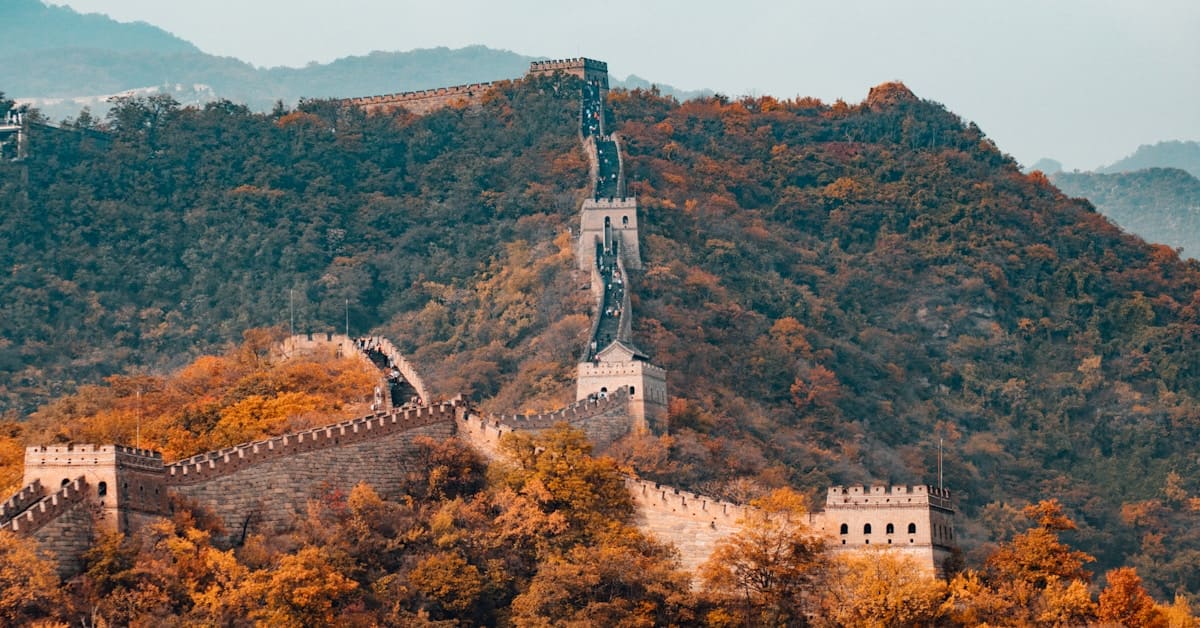
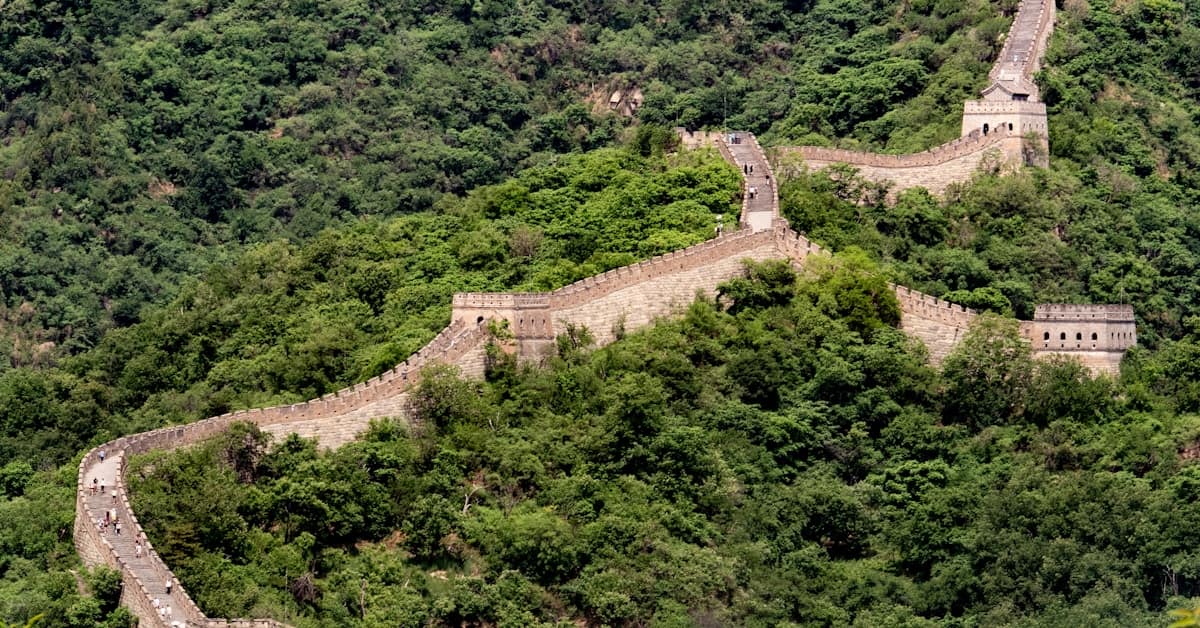
Day 1 should be light. Land, check in, and walk the hutongs around Nanluoguxiang or Dashilar. Do not schedule the Great Wall on arrival day — jet lag will wreck you. Day 2 is the Great Wall. I recommend Mutianyu over Badaling. It takes about two hours to reach by bus or private car from central Beijing, and the crowds are thinner. A cable car up and toboggan down costs about ¥180 total. The wall itself deserves a full morning, not a rushed two-hour photo stop. I’ve watched people try to do Beijing in one day — Forbidden City at noon, Wall at 3pm — and they remember nothing except traffic.
Day 3: the Forbidden City (book tickets online exactly seven days ahead; they sell out by 8:30am), followed by Temple of Heaven in the afternoon. The Temple of Heaven park opens at 6:00am and is full of retirees practicing tai chi — go early if you want to see Beijing before the tour buses arrive.
Days 4–5: Xi’an — Terracotta Warriors, Muslim Quarter, City Wall
The morning train from Beijing to Xi’an takes about 4.5 hours on the G-series. A second-class seat costs roughly ¥520. Book exactly 15 days ahead — tickets disappear fast. The high-speed train guide covers the booking apps and passport requirements in detail.
In Xi’an, the Terracotta Warriors need a half-day minimum, including the 45-minute drive each way from the city center. The Muslim Quarter is best visited around 5pm, when the food stalls are fully open but the crowds are still manageable. The City Wall is worth renting a bike for (¥45 for 90 minutes); the full loop is 13.7km and gives you a sense of the city’s scale.
Days 6–7: Extension or Slow Down
You have two options. Option one: take the 5-hour train to Shanghai and spend a rushed day and a half there (possible, but not pleasant). Option two: slow down. Spend day 6 exploring Xi’an’s lesser-visited sites — the Small Wild Goose Pagoda, the Shaanxi History Museum (free, but reserve a slot) — and day 7 flying home from Xi’an Xianyang International Airport. In my experience, option two produces better trips. The only reason to force Shanghai into seven days is if your outbound flight leaves from Pudong.
The 10-Day Route: Beijing + Xi’an + Chengdu OR Shanghai — Pick a Theme
Ten days is where China itineraries start to breathe. You can add a third city without sacrificing your sleep schedule, but you still need to choose a theme. Mixing everything — ancient history, pandas, and neon skylines — into one trip dilutes all of it.
History Route: Beijing → Xi’an → Chengdu
This is my default recommendation for anyone whose primary interest is history and culture. Beijing and Xi’an cover the imperial eras; Chengdu adds the Shu kingdom, ancient engineering, and a completely different regional culture.
- Days 1–4: Beijing (same as the 7-day plan, but with an extra day for the Summer Palace or a slower Great Wall visit).
- Days 5–6: Xi’an (Terracotta Warriors, Muslim Quarter, City Wall bike ride). Train from Beijing: G-series, ~4.5 hours, ~¥520 second class.
- Days 7–9: Chengdu. See the pandas at the Chengdu Research Base (arrive by 8:00am or the pandas are asleep), visit the Leshan Giant Buddha (a 2-hour train + bus each way), and eat Sichuan hotpot somewhere near Jinli Street. Train from Xi’an: ~4.5 hours, ~¥260 second class.
- Day 10: Fly out from Chengdu Tianfu International (CTU). If you need to connect through Beijing or Shanghai, budget a full morning for the flight.
Modern Route: Beijing → Xi’an → Shanghai
If your priority is architecture, urban energy, and business history, swap Chengdu for Shanghai. The modern route sacrifices pandas and spicy food for the Bund, the French Concession, and the fastest maglev train on the planet.
- Days 1–4: Beijing.
- Days 5–6: Xi’an.
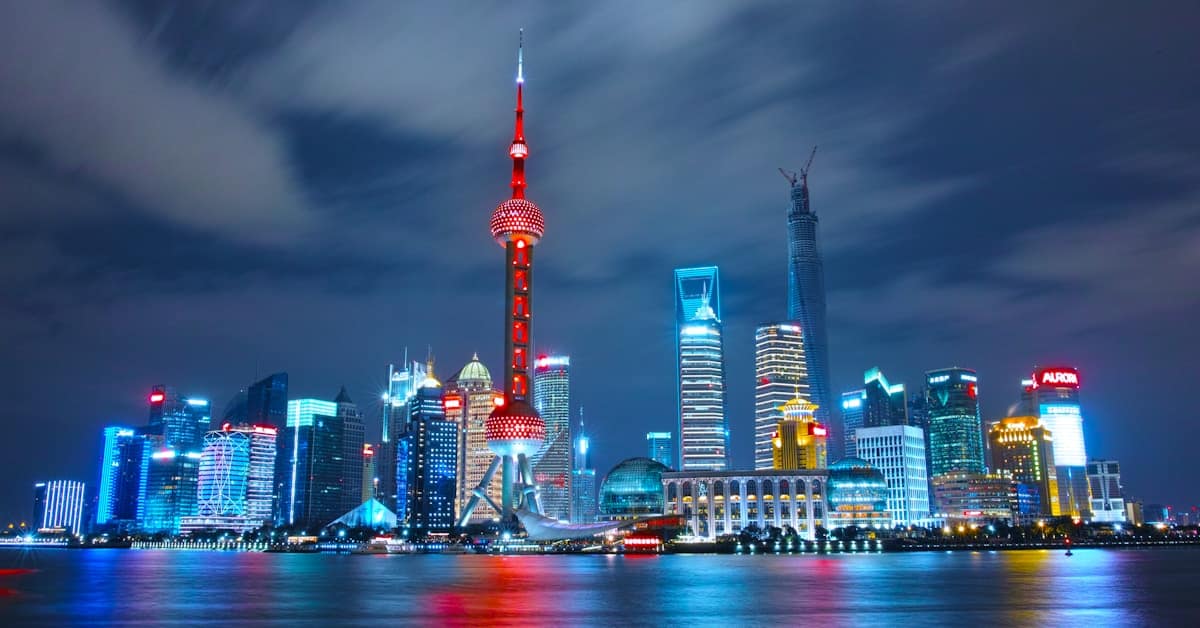
- Days 7–9: Shanghai. Walk the Bund at dawn before the crowds, explore the French Concession on foot, and take the maglev from Longyang Road to Pudong Airport just for the experience (¥50, 430km/h). The Shanghai Museum is free and world-class — budget at least two hours.
- Day 10: Depart from Pudong (PVG).
The 14-Day Route: The Full Circuit Without the Whiplash
Two weeks is the sweet spot. You can cover north, central, southwest, and east China without changing hotels every night. This is the route I suggest when someone asks me for a single china itinerary that justifies the long flight.
Days 1–4: Beijing
Same base plan as above, but with breathing room. Add the Summer Palace on day 4 — it is 15km from the center but worth half a day. The lake and Longevity Hill are at their best in the early morning, before the tour groups arrive at 9:30am.
Days 5–6: Xi’an
High-speed train from Beijing West to Xi’an North, then metro line 2 into the city center. Total door-to-door time is roughly six hours. Do not book a flight for this leg — the train is faster city-center to city-center, and you avoid two airport security lines.
Days 7–9: Chengdu — Pandas, Leshan, Hotpot
The panda base is non-negotiable, but the real discovery for most visitors is Leshan. The Giant Buddha is impressive, but the walk down the cliff face is where you feel the scale. Expect a 12-hour day: 2 hours to Leshan by train, 4 hours at the site, 2 hours back. If that sounds exhausting, hire a driver for about ¥600 total. It saves an hour each way and lets you nap in the car.
For hotpot, skip the tourist chains near Chunxi Road. Walk ten minutes to a neighborhood joint on a side street. If the menu is only in Chinese and the staff look surprised to see you, you are in the right place. Budget ¥80–120 per person for a serious meal.
Days 10–11: Guilin/Yangshuo — Li River
Fly from Chengdu to Guilin (about 2 hours, ¥400–700 depending on season). The Li River cruise from Guilin to Yangshuo takes roughly four hours and is the best way to see the karst landscape. Book the morning departure — afternoon light is harsher and the river traffic is heavier. In Yangshuo, rent an e-bike and ride the rice fields west of town. The tourist strip on West Street is forgettable; the countryside is not.
Days 12–14: Shanghai
Fly from Guilin to Shanghai Hongqiao (about 2.5 hours). Hongqiao is connected to the metro, so you can be in Jing’an within 45 minutes of landing. Spend day 12 on the Bund and Nanjing Road, day 13 in the French Concession and at the Shanghai Museum, and day 14 on a final breakfast and your outbound flight. If you have an evening departure, the Yu Garden is worth a quick hour — but skip the mall attached to it.
Transit Logistics Between Cities: Train vs. Flight, Real Numbers
China’s high-speed rail network is the best in the world, but it is not always the right choice. Here is how the major legs break down in practice.
| Route | Train Time | Flight Time | Train Cost (2nd) | My Pick |
|---|---|---|---|---|
| Beijing → Xi’an | 4.5 hrs | 2.5 hrs + airport | ~¥520 | Train |
| Xi’an → Chengdu | 4.5 hrs | 1.5 hrs + airport | ~¥260 | Train |
| Chengdu → Guilin | ~9 hrs (not practical) | 2 hrs + airport | — | Flight |
| Guilin → Shanghai | ~9 hrs | 2.5 hrs + airport | ~¥380 | Flight |
| Beijing → Shanghai | 4.5 hrs | 2.5 hrs + airport | ~¥550 | Train |
The rule is simple: if the train is under six hours, take the train. City-center to city-center, it is usually faster once you factor in airport transfers, security, and boarding time. Chinese airports are enormous — walking from check-in to your gate at Beijing Capital can take 25 minutes.
Booking timeline: High-speed train tickets open exactly 15 days before departure. Set a calendar reminder. Popular routes like Beijing–Xi’an sell out within hours of release. The high-speed train guide has step-by-step screenshots for the 12306 app.
Station transfers: Beijing has six operational train stations. Most high-speed trains to Xi’an depart from Beijing West (Beijing Xi). Xi’an arrivals come into Xi’an North, which is 30 minutes by metro from the City Wall. Shanghai has two main stations — Hongqiao for most high-speed trains, Shanghai Railway Station for some overnight services. Double-check your ticket. A taxi driver cannot save you if you show up at the wrong station.
What to Skip (Even If Every Guide Tells You to Go)
Not every famous site earns its slot on a tight china itinerary. Here is what I leave out, and what I do instead.
- Skip Badaling Great Wall. It is closer to Beijing, but the crowds are absurd. Go to Mutianyu or Jinshanling instead. The extra 45 minutes in the car buys you a far better experience.
- Skip the interior of the Shanghai TV Tower. The view from the Bund at sunset is free and arguably better. If you must go up, the Shanghai World Financial Center has shorter lines.
- Skip the panda breeding center in the afternoon. Pandas sleep from roughly 10am to 2pm. A 3pm visit means you are looking at fur balls in trees. Morning only.
- Skip Yangshuo West Street at night. It is a neon strip of souvenir stalls and beer bars. The rice paddies five minutes outside town are the reason you came.
Also, do not try to visit Tibet on a 14-day circuit. The Tibet Travel Permit takes 15–20 days to process, and you need it before you can even board a flight to Lhasa. Tibet deserves its own trip, not a rushed add-on. The visa guide covers permit requirements if you are planning a dedicated Tibet leg later.
The single most important thing: leave buffer time. China has a way of slowing you down — a metro line under maintenance, a sudden rainstorm over the Li River, a restaurant you stumble into and do not want to leave. If your itinerary has no slack, you will spend the trip anxious and checking your watch. Build in one unplanned half-day per week. You will use it, and you will be glad you had it.
Photos courtesy of Unsplash