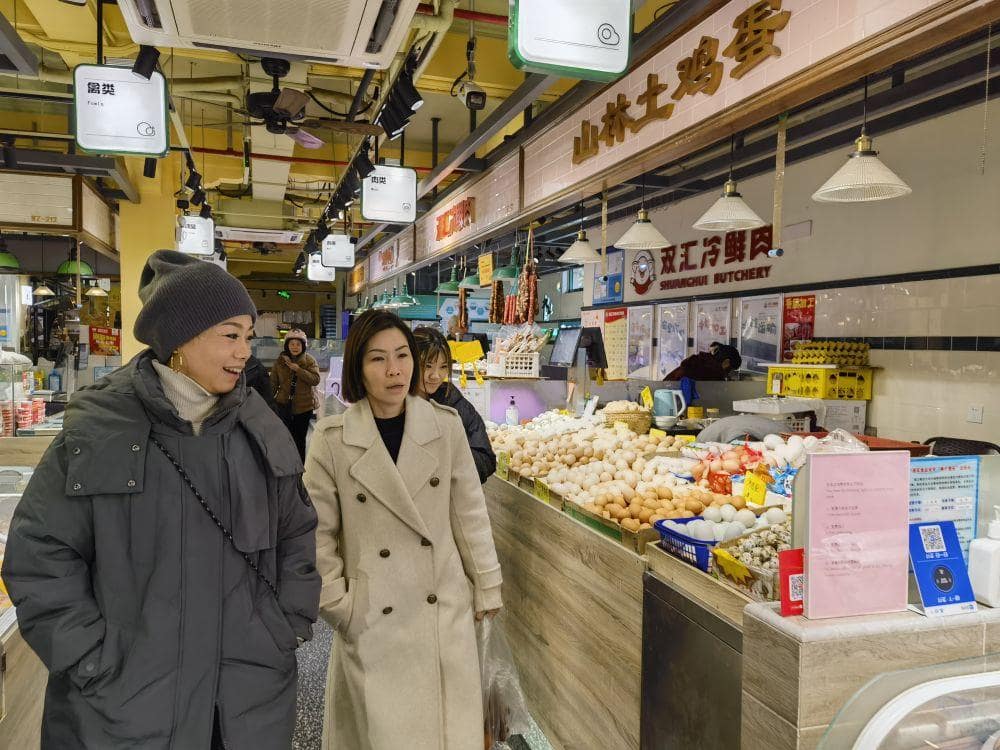
Shanghai is the easiest Chinese city to land in cold, with no Mandarin, no advance research, and a vague plan. That doesn’t mean it’s frictionless — it means the friction is concentrated in your first 24 hours, and most of it is predictable. If you know what to do at the airport, where to put your hotel, which apps to install before you board the plane, and which scams target obvious tourists in the first 48 hours, the whole trip downstream gets dramatically easier. This is the day-one survival guide I wish someone had handed me the first time.
The Visa-Free Window: 144 Hours Through Pudong (as of early 2026)
If you’re transiting through Shanghai on the way to a third country, you can enter China visa-free for up to 144 hours (6 days). The 144-hour transit visa exemption applies at Pudong (PVG), Hongqiao (SHA), and Shanghai’s two cruise terminals, for citizens of 54 countries (the full list is on the China Visa Application Service Center site). The key rule: you must have an onward ticket to a third country — flying in from London and out to New York counts; flying in from London and out back to London does not. China was added to the broader visa-free deal expansion in late 2024 and the policy has been steady through 2026.
The 144-hour clock starts at midnight Beijing time the day after you arrive, not at the moment you land. So if you arrive at 8pm on a Monday, you have all of Tuesday through Sunday before you need to be out. You’re also restricted to Shanghai municipality, plus Jiangsu and Zhejiang provinces — most visitors stay in Shanghai, but Hangzhou and Suzhou are both included and both reachable by 30–60 minute high-speed train.
For the broader visa context — tourist visas, longer stays, country-by-country eligibility — see the dedicated China visa guide.
What to do at the immigration desk
Look for the line specifically marked “Temporary Entry Permit / 144-Hour Visa-Free Transit.” Don’t queue at the regular foreigners’ line — they’ll send you back. Have ready:
- Passport with at least 6 months validity
- Printed or screenshot of your onward ticket (third country, within 144 hours)
- Local accommodation address (hotel booking confirmation works)
- Filled-in arrival card (handed out on the plane or at the desk)
The whole process usually takes 15–20 minutes if the line is moving. Officials in Shanghai are used to it.
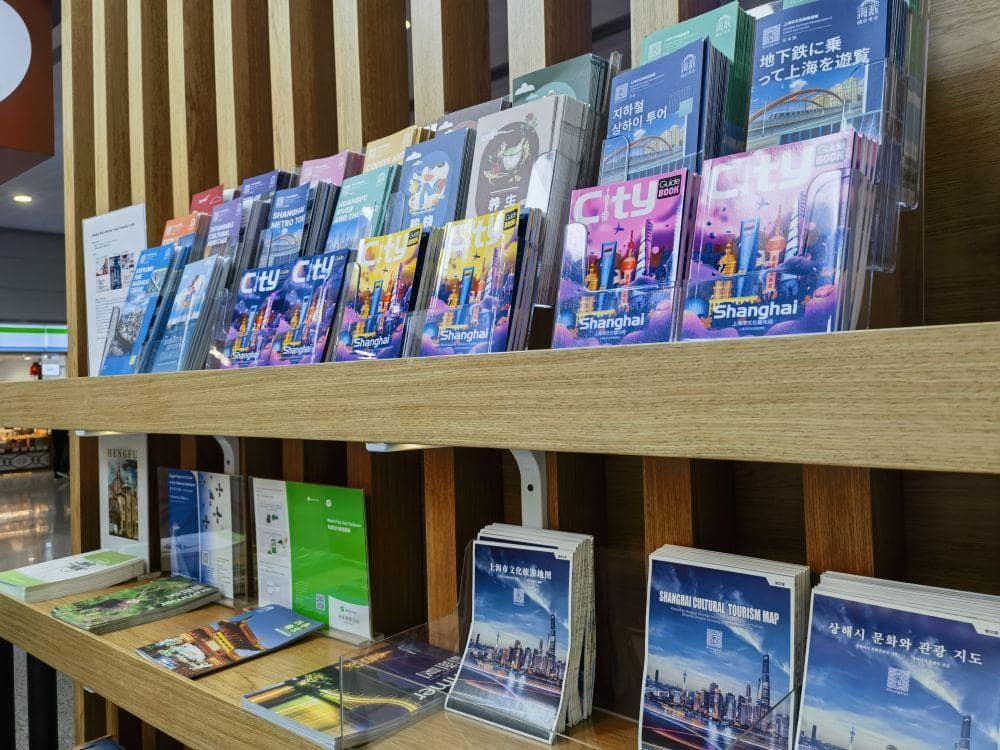
Currency Exchange at the Airport: Skip Most of It
The exchange counters at PVG and SHA give you 5–8% worse rates than the bank ATMs 30 meters away. Use the ATMs, not the counters. The Bank of China and ICBC ATMs in the arrivals hall accept foreign Visa, Mastercard, and most international debit cards. Withdraw 1,500–2,500 yuan to cover your first 48 hours (taxis, food, small vendors who haven’t yet accepted your QR-code payment).
Then go install Alipay or WeChat Pay with a foreign credit card before you leave the terminal — there’s free wifi in arrivals. This is the single most useful 15 minutes of your trip. Full setup walkthrough is in the Alipay and WeChat Pay for foreigners guide. Honestly, get this done before you board the plane home from your origin airport — the apps work outside China, you just can’t pay anywhere yet, but the account registration is the part that goes wrong.
Don’t bother with travelers’ cheques. Nobody cashes them. Don’t take large amounts of USD or EUR in cash hoping to exchange them — the rates inside China are worse than in Hong Kong or Singapore.
Getting from PVG and SHA into the City
Shanghai has two airports and you need to know which one you’re flying into. Almost all international long-haul lands at Pudong (PVG), 30km east of the city. Hongqiao (SHA) is closer in, mostly domestic plus a few short-haul international from Tokyo, Seoul, Taipei.
From Pudong (PVG)
- Maglev (the fast option, half-trip). 7 minutes to Longyang Road, 50 yuan one way (40 yuan with same-day boarding pass). From Longyang Road you transfer to metro Line 2 or 7 for the rest of the trip into the city center, about another 25–35 minutes.
- Metro Line 2 (the cheap option, all the way). 1 hour 10 minutes from PVG to People’s Square, 8 yuan. Trains run 6am to 10pm. Free wifi on most carriages.
- Taxi (the easy option, expensive). 200–280 yuan to central Shanghai depending on traffic and destination. Don’t get into any car that approaches you in arrivals — the legal taxi rank is downstairs and clearly marked. Insist on the meter.
- DiDi (the easy option, cheaper). Works at PVG since 2023 with foreign cards. About 25% cheaper than the metered taxi. App is in English.
From Hongqiao (SHA)
Both Hongqiao airport terminals are connected to metro Lines 2 and 10, putting you at People’s Square in 25–30 minutes for 5 yuan. There is no reason to take a taxi from Hongqiao unless you have heavy luggage and a destination outside the metro grid. For the broader train context — Hongqiao is also the main high-speed rail hub — see the China high-speed train guide.
Hotel Zones for First-Timers
Where you stay in Shanghai matters more than in most cities, because the city is enormous and getting between districts can eat an hour of your day. Three zones genuinely work for a first visit:
- The Bund / East Nanjing Road area (Huangpu district). Walking distance to the Bund waterfront, the historic colonial buildings, and the pedestrianized shopping street. Hotels here run from budget hostels to the Peninsula and the Waldorf Astoria. Best base for a 3-day visit.
- French Concession (Xuhui / Jing’an). The walkable, leafy, plane-tree-lined district that used to be the French zone in the early 20th century. Best for atmospheric small-hotel stays, best food, best bars. My personal first choice if you have 5+ days and want to feel the city rather than just check things off.
- People’s Square (Huangpu). Central, multi-line metro hub, every major attraction within 30 minutes by metro. Less character than the other two but maximum convenience.
Avoid hotels in Pudong (the financial district across the river) for a first visit unless you’re specifically there for business. The skyline you see in photos is on the Pudong side, but you go there to look at it, not to stay in it.
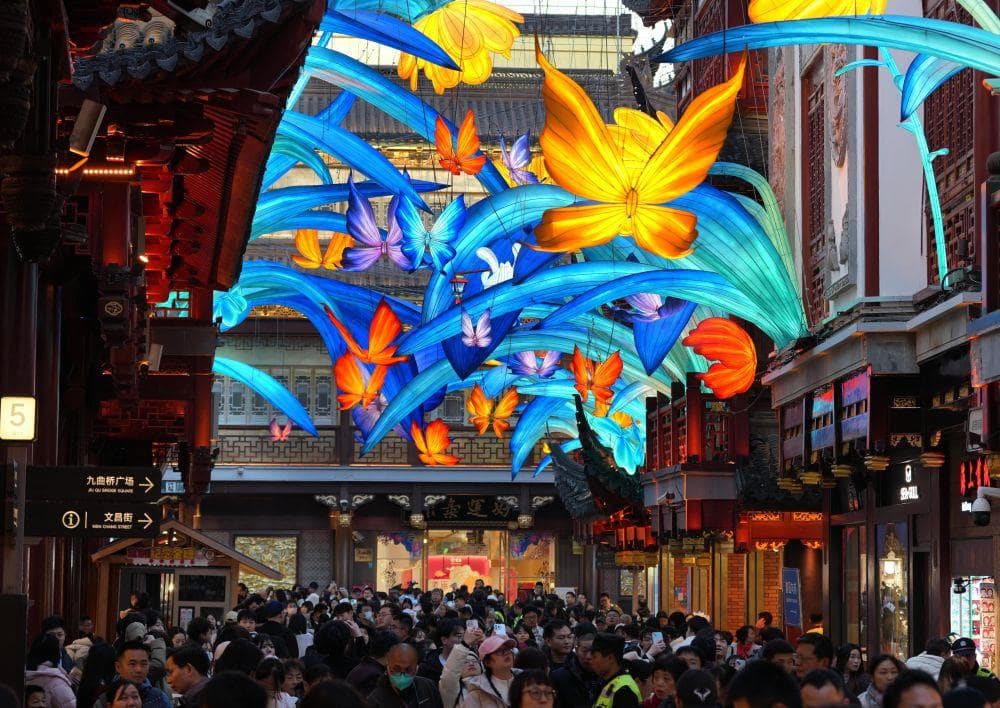
Day-One Survival Checklist
This is the order I’d do things in the first 24 hours of a first Shanghai trip:
- Before you board the plane to China:
- Buy and activate an eSIM with a China data plan (Airalo, Holafly, Nomad — all work, all around $15 for a week)
- Install a VPN and test it (you’ll want it for Google, Gmail, Instagram, WhatsApp, anything Meta-owned)
- Install Alipay or WeChat Pay; link a foreign Visa or Mastercard; verify it works
- Install DiDi (Chinese Uber) in English mode and link the same card
- Install Trip.com for hotel and train bookings
- Screenshot your hotel address in both English and Chinese characters (most hotels email you both; if not, ask)
- On arrival at the airport:
- eSIM data on, VPN tested, hotel address ready to show
- Withdraw 1,500–2,500 yuan at the bank ATM
- Decide on metro, maglev, or DiDi to the hotel (depends on luggage and time)
- First evening: short walk only, no big plans. Eat dinner near the hotel, sleep early. Shanghai jet lag (10–13 hours from most Western departure points) wrecks the second day if you push the first night.
- Day two morning: start with the Bund — go before 9am for the photographs and to escape the tour groups. Then breakfast in the French Concession.
For the full city itinerary — what to see, what to skip, where to eat — see the dedicated Shanghai travel guide.
Common Scams Targeting Tourists in Shanghai
Shanghai is one of the safest large cities you’ll visit. Violent crime against foreigners is statistically rare; the real issue is a small cluster of well-rehearsed tourist scams concentrated in the Bund / Nanjing Road / People’s Square corridor. These are the ones to know:
The “tea ceremony” scam
You’re walking down Nanjing Road or near the Bund and two young, English-speaking “students” approach you, friendly, wanting to practice English. After 10 minutes of chat they suggest a traditional tea ceremony nearby. You go to a small upstairs tea house. You’re served four tiny cups of tea. The bill comes: 1,500–3,500 yuan. There is no negotiation. They want cash or a card swipe. The “students” disappear. The shop is in on it. This scam has been running for 20 years and still works because it’s so well-rehearsed.
Defense: politely refuse any food or drink invitation from strangers in the tourist corridor. If you do want to chat, stay on the street.
The “art student exhibition” scam
Same neighborhoods, slightly different format — friendly student invites you to see their art exhibition. You’re then pressured to buy a “calligraphy scroll” for 2,000–5,000 yuan, marked up roughly 30x from cost.
The unmetered taxi scam (mostly at PVG)
A man in a suit approaches you in arrivals: “Taxi? Taxi?” His car is unmarked, the meter conveniently broken, and the fare to central Shanghai is 600+ yuan. Walk past him to the official taxi queue downstairs.
The “wrong change” trick
You pay for something small (50 yuan note, the bill is 22 yuan) and the vendor returns short change while distracting you. Count your change. Or just use WeChat Pay or Alipay and skip the issue entirely.
For the wider safety context across China — what’s actually risky and what isn’t — see the is China safe guide. Honestly, Shanghai is safer than most major Western cities; the scams above are nuisance-level financial loss, not physical danger.
Practical Notes for the First 48 Hours
- Tap water: not drinkable. Hotels provide bottled water; buy 2L bottles from any FamilyMart or Lawson for around 4 yuan.
- Tipping: not customary, not expected, sometimes refused. Don’t tip at restaurants or taxis. Tour guides are a soft exception (50–100 yuan/day is fine if they’ve been good).
- Power adapter: China uses Type A (US two-pin), Type I (Australian three-pin), and Type C (European two-pin) — most hotel sockets accept all three. Voltage is 220V.
- Language: central Shanghai service staff in hotels, malls, and most restaurants have functional English. Outside the tourist corridor, English is patchy. Have a translation app downloaded.
- VPN: install before you arrive. App stores inside China block VPN downloads, and most major VPN websites are themselves blocked. Test your VPN works at the airport — if it doesn’t, switch to a different server.
- Public transport: the Shanghai Metro accepts foreign-card payment via the Alipay or WeChat Pay metro mini-program (look for the “metro” or “” service inside the app). Way faster than buying single-ride tickets at the machine each time.
- Bottled water at restaurants: usually 5–10 yuan, brought before you ask. Decline if you don’t want it; you can also ask for hot water (re shui, ), which is free and what most locals drink.
Quick Reference: First-Time Shanghai Mistakes
| Common mistake | What actually works |
|---|---|
| Booking a Pudong hotel for the skyline view | Stay in the French Concession or the Bund and look at Pudong across the river — much better base for everything else |
| Exchanging cash at the airport currency counter | Use the bank ATM 30 meters away — 5–8% better rate, no commission |
| Trying to set up WeChat Pay after arriving | Set it up before you board the plane — registration is the part that goes wrong, not payment |
| Accepting a “tea ceremony” invitation from English-speaking strangers | Politely decline; the script is the same every time and the bill is the same surprise |
| Taking an unmarked car from someone offering “taxi” inside arrivals | Walk to the marked taxi queue downstairs or open DiDi — the metered fare is roughly half |
| Skipping the VPN because you “won’t need it” | Install before you land — Gmail, Google Maps, Instagram, WhatsApp all need it; downloading a VPN inside China is much harder |
| Going straight to Yu Garden at noon on a Saturday | Go at 8:30am opening before the tour buses arrive; by 11am you can’t move |
One last thing: the single best free thing in Shanghai is a slow evening walk along the Bund waterfront with the Pudong skyline lit up across the river. Best around 30–60 minutes after sunset. The lighting is turned off at 10pm sharp on weekdays, 11pm on weekends — don’t show up late and find the show finished. Everything else in Shanghai — Yu Garden, Tianzifang, the Shanghai Museum, day trips to Suzhou or Hangzhou — flows out from that first orientation. Get your bearings on the riverfront and the rest of the city makes sense.
Photos courtesy of Unsplash.