Most first-time visitors to Beijing spend two hours on the Great Wall and four hours getting there and back. That is not a scheduling failure on your part — it is the predictable result of picking the wrong section, the wrong transport, and the wrong time of day. The Great Wall of China is not one place. It is a 21,000-kilometer system of fortifications, and the experience you get depends almost entirely on which kilometer you stand on and how you reached it.
In my experience, the difference between a memorable Great Wall visit and a forgettable one comes down to three decisions: which section, how early you arrive, and whether you believed the “book any tour” advice from your hotel desk. This guide covers those decisions directly.
Badaling Is the Default for a Reason — and That Is the Problem
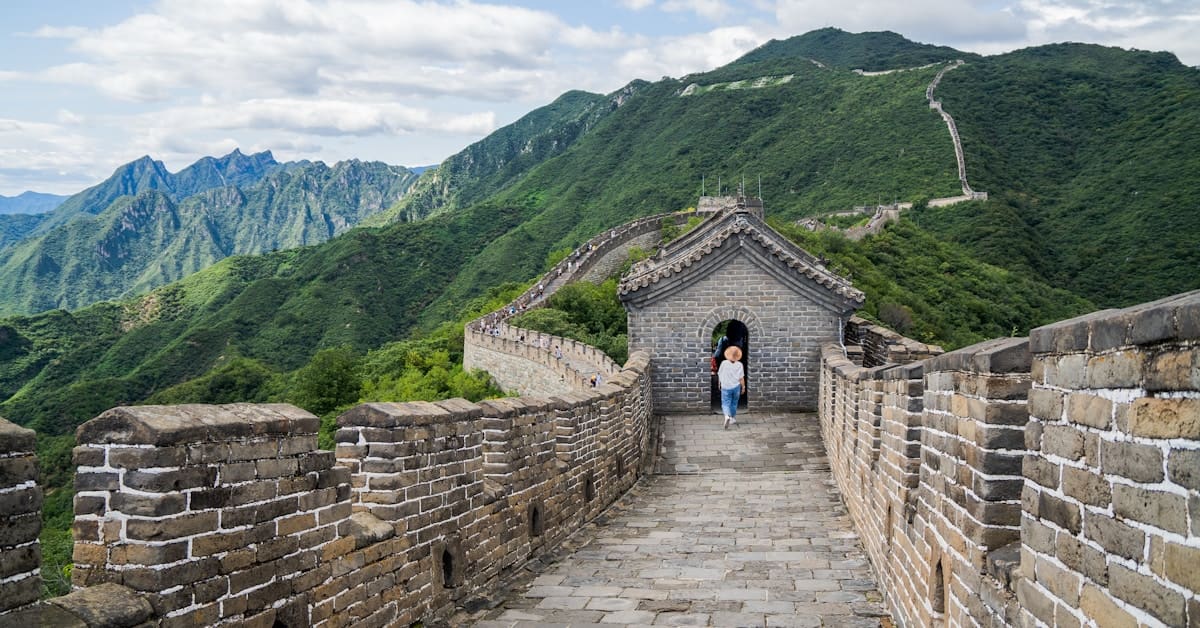
Badaling is the closest fully restored section to Beijing, the one every tour bus goes to, and the one you have probably already seen in photographs. It is also, in my view, the section most foreign visitors should skip. The reason is not that it is “too touristy” in some abstract sense. The reason is logistics. Badaling receives up to 70,000 visitors per day at peak times. The walkways are wide and flat, but you will spend more time navigating crowds than looking at masonry. The cable car lines alone can eat 45 minutes of a two-hour visit.
There is one exception. If you are traveling with elderly relatives or have significant mobility limitations, Badaling is the only section with wheelchair-accessible paths and gentle gradients. For everyone else, the 90-minute drive to a quieter section pays for itself in actual wall time.
The Three Sections Worth Your Time (and One Honest Runner-Up)
Mutianyu: The Best Balance of Access and Quality
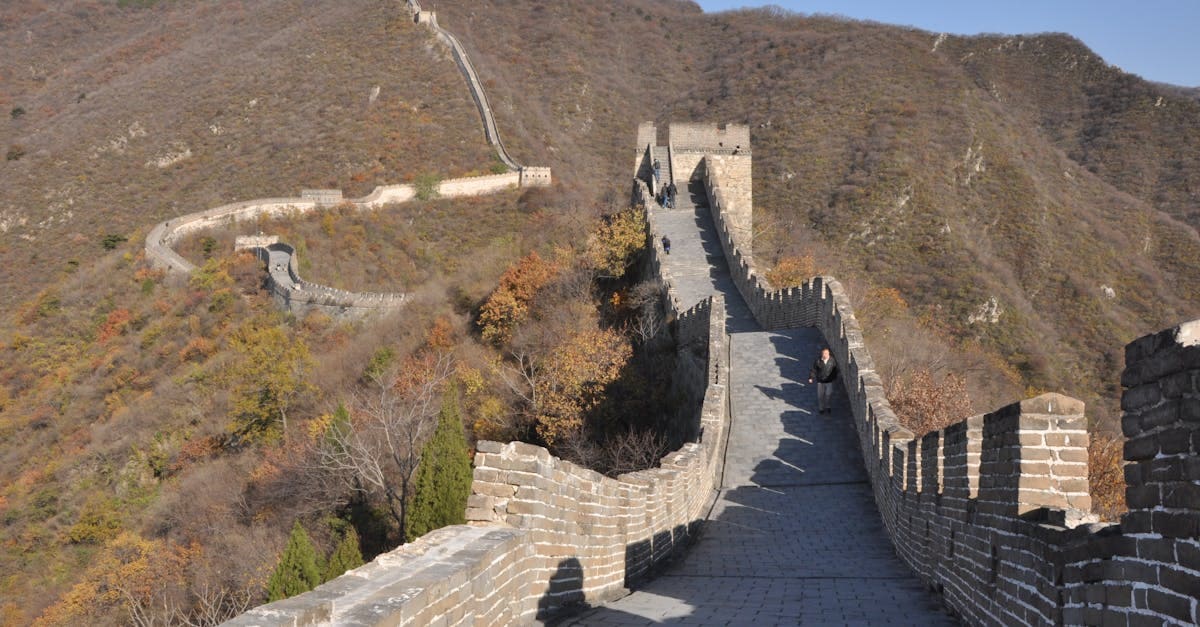
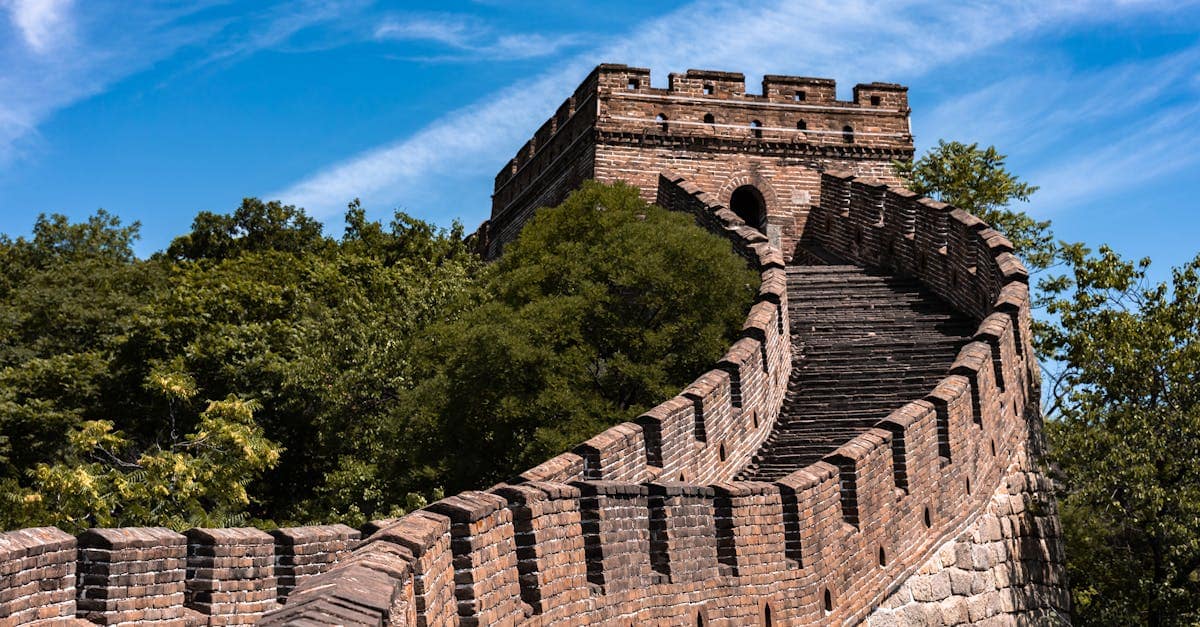
Mutianyu is 73km northeast of Beijing, about 90 minutes by car in normal traffic. It is fully restored, which means you can walk the full length without scrambling over collapsed masonry, but it spreads visitors across a longer stretch than Badaling. The result is perceptibly more breathing room. Ticket prices run 40 yuan in low season (November through March) and 45 yuan in peak season. The cable car up costs an additional 100 yuan round-trip, though the walk from the entrance to the wall itself only takes 20 minutes if you are willing to climb stone steps.
Mutianyu has a toboggan ride down. I have never taken it, but I have watched it. If you are traveling with children, it is a genuine selling point. If you are not, walk down the same path and save the queue.
Public transport exists but is awkward. You can take Metro Line 13 to Dongzhimen, then catch the 916 Express bus to Huairou, then a local taxi. Total time: roughly two and a half hours. Most visitors book a private driver or a small-group tour through a platform like Trip.com. A private car and driver for a half-day runs roughly 600–800 yuan (as of early 2026), split across up to four people. That is more expensive than the bus, but it also means you can leave your hotel at 6:30am and be on the wall by 8:00am, when the light is better and the tour buses have not arrived yet.
Jinshanling: If You Actually Want Solitude
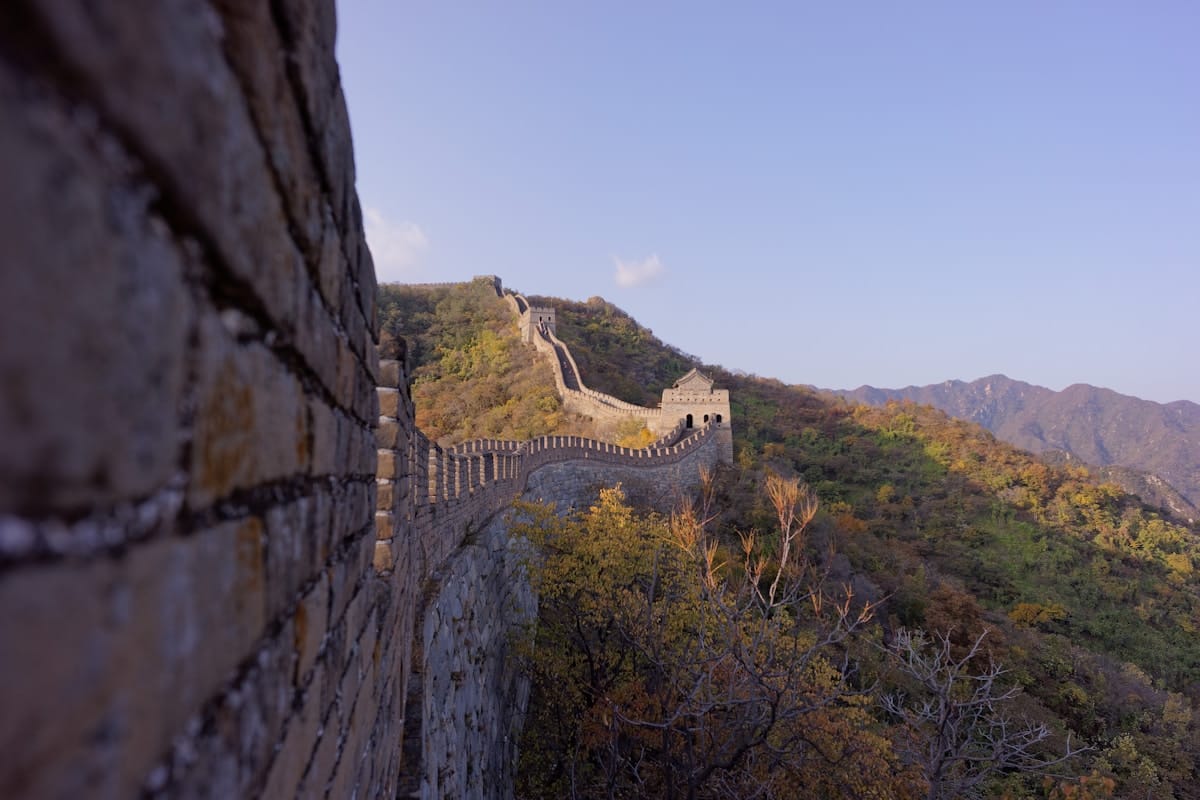
Jinshanling is 130km from Beijing, roughly a two-hour drive. The section is partially restored, which gives it a texture Badaling and Mutianyu lack: you walk from intact ramparts to broken walls and back again, with the original stone under your boots. It is also significantly less visited. On a weekday morning, you can walk for an hour without passing another foreign tourist.
The trade-off is access. There is no direct public bus from Beijing, so you either hire a private driver (expect 900–1,100 yuan for the day) or book a dedicated Jinshanling tour. The entrance fee is 65 yuan. Some visitors hike the 10km eastward from Jinshanling to Simatai, though this requires coordination because the two sections have separate ticket offices and the Simatai end closes earlier.
Honestly, if I were visiting Beijing for the first time and had only one Great Wall day, I would still choose Mutianyu. Jinshanling is better, but it is better in ways that matter more on a second or third visit, when you have already seen the “classic” wall shot and want the physical experience of hiking it.
Jiankou: For Experienced Hikers Only
Jiankou is unrestored, steep, and genuinely dangerous in wet weather. Sections of the wall here have collapsed into rubble, and the climbs between towers involve near-vertical ascents on loose stone. This is not a place to bring children, casual footwear, or a fear of heights. That said, if you are an experienced hiker with proper boots and a reasonable head for exposure, Jiankou offers the most dramatic topography of any section near Beijing. The “Eagle Flies Facing Upward” stretch lives up to its name.
There is no formal entrance fee because there is no formal entrance. You reach it via local roads from the village of Xizhazi. A private driver familiar with the route is essential. Do not attempt this section without offline maps and more water than you think you need.
Simatai: The Night Wall Option, With Caveats
Simatai is the only section officially open after dark, and the night-ticket marketing is effective. Walking the wall under floodlights with Gubei Water Town lit up below is a genuinely unusual experience. The caveats are real, though. You cannot walk the full section at night — only a limited stretch is open — and the ticketing system requires you to book a time slot in advance through the official WeChat mini-program. Foreign credit cards do not always work on that platform, so have a Chinese-speaking friend or your hotel front desk handle the booking.
The night ticket costs 160 yuan, roughly three times the daytime rate at other sections. Whether that is worth it depends on how much you value the novelty. I would not make Simatai my first Great Wall experience, but as a second visit it has a case.
Getting There Without Losing Your Morning
The Great Wall is not in Beijing. It is near Beijing, and “near” means anywhere from 60 to 130 kilometers depending on the section. The most common mistake foreign visitors make is assuming a 9:00am departure is early enough. It is not. By 9:00am, the tour buses are already on the road, and by 11:00am every major section feels like a queue with a view.
Leave by 6:30am. That applies whether you are taking a private car, a DiDi, or the public bus. Beijing traffic is unpredictable, but it is predictably worse after 7:30am. A 6:30am departure puts you at Mutianyu around 8:00am, when the ticket office opens and the first cable car is still empty. You get two hours of relative quiet before the first wave of large tour groups arrives around 10:30am.
If you are traveling by high-speed train and spending only a few days in Beijing, schedule your Great Wall day for your first full morning, when jet lag is likely to have you awake early anyway. Use that 5:00am wake-up to your advantage.
For private transport, Trip.com and Klook both offer English-language booking platforms that accept foreign cards. A half-day private car to Mutianyu typically includes hotel pickup, two to three hours at the wall, and return transfer. Full-day rentals to Jinshanling cost more but give you flexibility on timing. Avoid the hotel tour desk unless you enjoy mandatory shopping stops at jade factories.
What to Bring and What to Ignore
The Great Wall is outdoors, exposed, and often windy. Even in summer, the temperature on the wall can be five degrees cooler than in central Beijing. In winter, it is punishing. I have seen visitors turn back at Mutianyu in January because they wore sneakers and light jackets. The stone steps are uneven and can be icy.
- Footwear: Hiking boots or trail runners with grip. The stone walkways are centuries old and polished smooth in places. Running shoes with flat soles are a mistake.
- Layers: Windproof outer layer regardless of season. There is no shelter on the wall itself.
- Water: Bring more than you need. Vendors exist at Mutianyu and Badaling, but prices are triple what you pay in the city. At Jinshanling and Jiankou, vendors are sporadic or nonexistent.
- Sun protection: There is almost no shade. Sunscreen and a hat are not optional from April through October.
- Cash: Mobile payment works at the major sections, but the signal is unreliable on remote parts of the wall. Small bills for toilets and emergency snacks.
What to ignore: the souvenir vendors at the base of Mutianyu and Badaling. The “I Climbed the Great Wall” T-shirts are available on Taobao for a quarter of the price. The jade sellers are selling colored stone. Keep walking.
Timing Your Visit: Seasons, Days, and Hours
The best time to visit China generally aligns with the best time for the Great Wall, but with a few wall-specific wrinkles. Spring (April to May) and autumn (September to October) offer the best combination of temperature and visibility. Summer is hot and hazy, though the vegetation is green. Winter is brutally cold but visually spectacular after snow, and the crowds thin out dramatically.
There are two periods to avoid entirely. The first is Golden Week, October 1–7, when domestic tourism peaks and the wall becomes a human traffic jam. The second is the May Labour Day window, May 1–5. Both are national holidays in China, and both turn the Great Wall into a place you visit to say you visited, not to experience.
Weekdays are better than weekends. Tuesday and Wednesday mornings are the sweet spot. If you must visit on a weekend, Sunday is marginally quieter than Saturday because domestic tour groups often schedule Great Wall visits for Saturday and return to the city for Sunday evening flights.
The One Mistake Almost Everyone Makes
Most visitors treat the Great Wall as a two-hour photo stop on a longer Beijing checklist. They ride the cable car up, walk 200 meters in either direction, take a selfie, and ride back down. That is not a Great Wall visit. That is a Great Wall transaction.
The wall rewards walking. Even at Mutianyu, if you walk 30 minutes west from the main cable car station, the crowd density drops by half. At Jinshanling, the best photography and the best silence are both an hour’s hike from the entrance. In my experience, the visitors who remember the Great Wall fondly are the ones who budgeted at least half a day and covered some distance.
If your China itinerary only gives you one morning in Beijing before flying onward, the Great Wall is still worth it — but adjust your expectations. You are getting a preview, not the full film. Save a proper half-day hike for a return trip.
What I Got Wrong | What Actually Works
| Assumed 9:00am was early enough | Left at 6:30am and had the wall to myself for two hours |
| Took the hotel tour desk “convenience” option | Booked a private driver and skipped the jade factory stop |
| Wore running shoes and nearly slipped on polished stone | Trail runners with actual grip, or light hiking boots |
| Treated it like a 90-minute photo stop | Budgeted half a day and walked at least an hour in one direction |
| Visited during Golden Week because “it was the only time” | Swapped to a Tuesday in late September; completely different experience |
Part of our Beijing 7-day series. The Great Wall typically anchors Day 3 of a full Beijing visit. For the rest of the days that surround it, see our practical 7-day Beijing route, which expands the timeline this article fits into.