January is the most extreme month in China – and that is either a recommendation or a warning, depending on how you feel about -30°C. It is the month the Harbin Ice Festival officially opens at full scale, the month Spring Festival preparations transform every city with red lanterns and temporary markets, and the month that air quality in the north hits its annual worst. It is also the cheapest month to travel in China, with hotel rates at their lowest ebb and tourist crowds at their thinnest. If you can handle the cold, January rewards you with a version of China most visitors never see.
The Quick Verdict: January Is Harbin Peak, Spring Festival Prep, and the Cheapest Prices of the Year
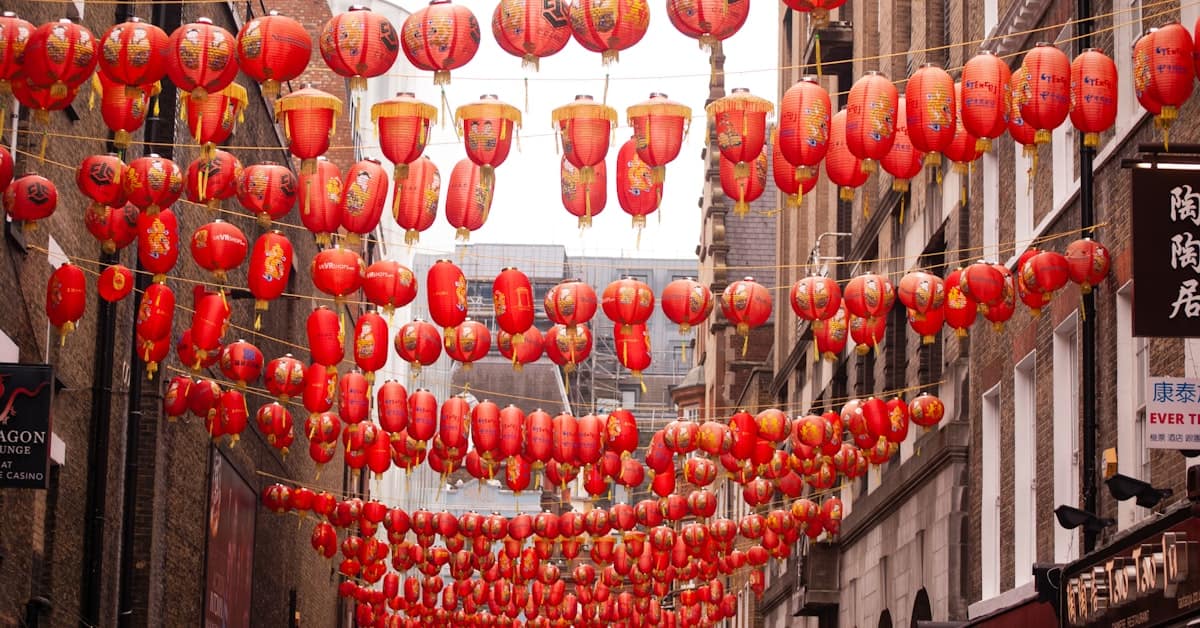
January splits into three distinct experiences. The first week is New Year’s holiday – mostly a Western import, a modest domestic travel spike, and open attractions. The middle two weeks (January 8-24) are the quietest travel window of the entire year – the lowest hotel rates, the thinnest crowds, and the Harbin Ice Festival at full scale. The last week (January 25-31) is Spring Festival preparation, when the entire country begins its pre-holiday transformation: red lanterns go up, temporary markets appear, and the largest annual human migration on earth starts moving people home.
What January is actually good for:
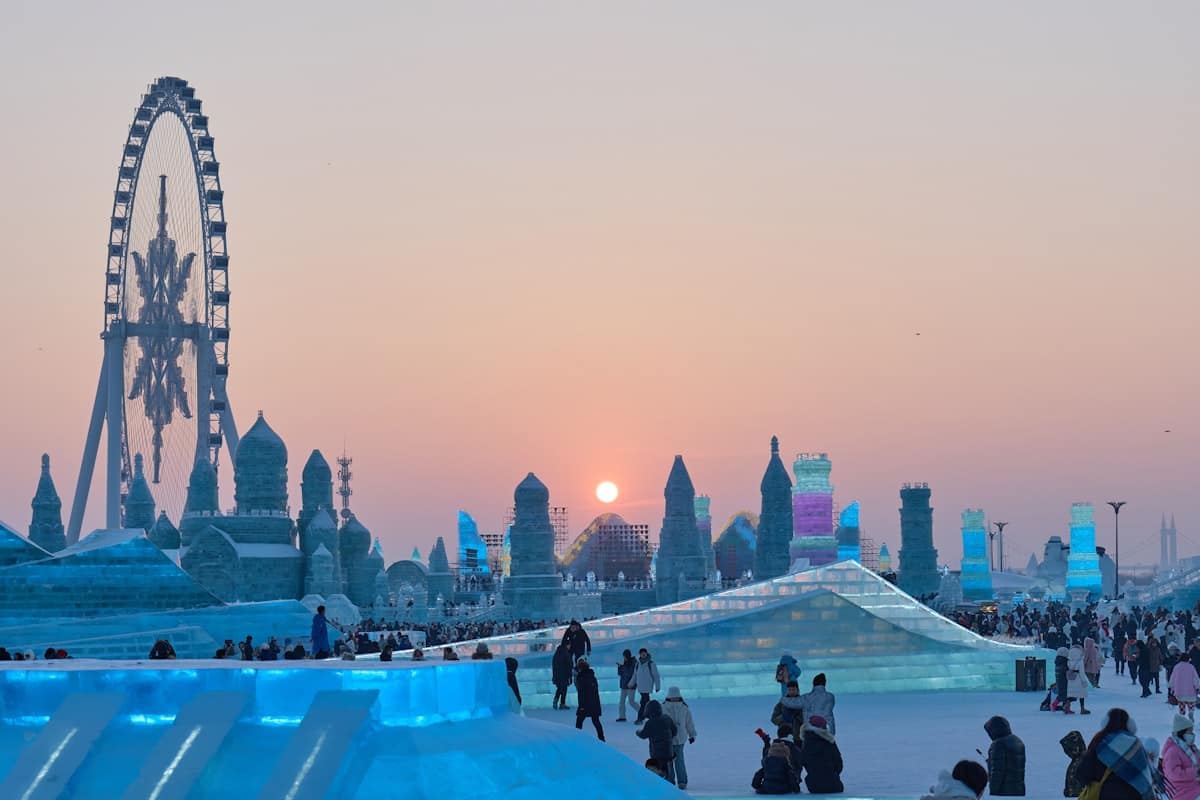
- Harbin Ice Festival at full scale. The official launch is January 5. Every sculpture is complete, the illumination is at its peak, and the festival grounds are at their most impressive. January is the peak month – crowds are at their highest for the festival, but the experience is at its fullest
- Spring Festival atmosphere. The last week of January in any Chinese city is a unique experience – the markets, the lanterns, the collective anticipation. You see the country preparing for its most important holiday
- Budget travel. Outside Harbin, January is the cheapest month of the year. Hotels in Beijing and Shanghai at 40-60% off peak. Trains with same-day availability
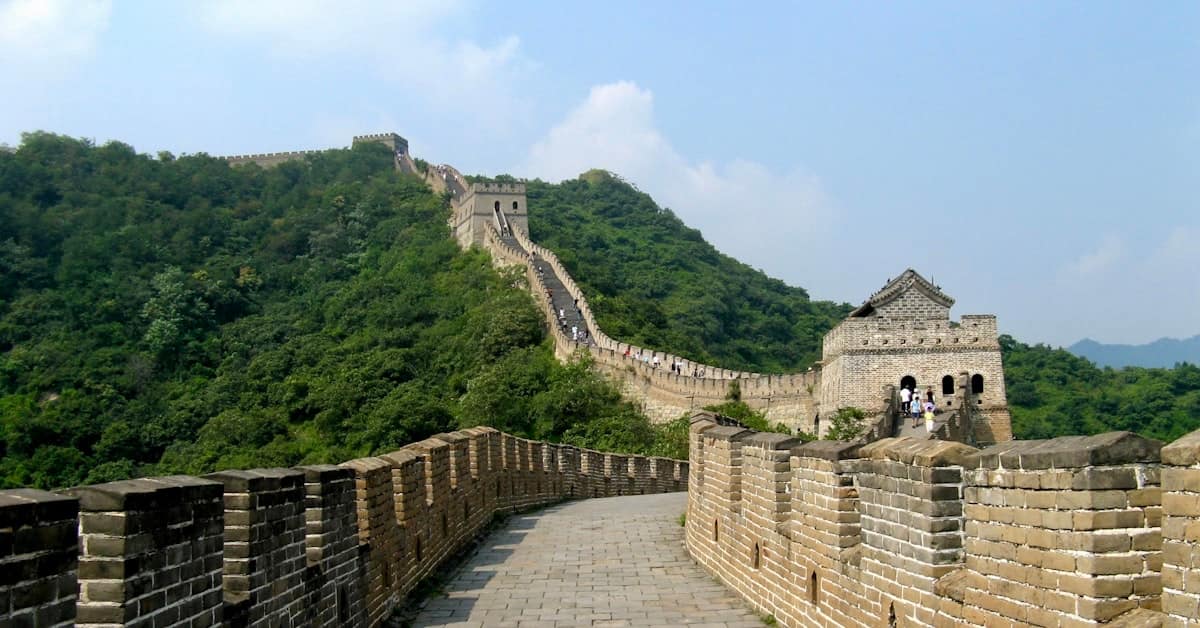
- Snow photography. Northern China at its most photogenic – the Great Wall under snow, frozen lakes, and clear winter light on the days when the AQI cooperates
What January is not good for:
- Air quality in northern China. January is the worst AQI month of the year. Cold-air inversions trap pollution over Beijing, Xi’an, and Tianjin. Check the AQI daily and plan indoor activities accordingly
- The last week if you need predictable travel. The Spring Festival migration (chunyun) starts moving roughly 15 days before the holiday. Train tickets become extremely difficult, and popular routes sell out the moment booking opens
- Tibet and the high plateau. Fully closed for winter. Do not plan Tibet in January
For the broader winter context, the China in December guide covers the soft-opening strategy for the Ice Festival, and the best time to visit China guide ranks January against the other 11 months.
Weather by Region in January
January is the coldest month of the year across all of China. The temperature gradient from north to south is at its most extreme. Here is what to actually expect.
Harbin and the Northeast
- Temperature: -28 to -12°C. The coldest inhabited region most travelers will ever voluntarily visit
- Snow: Constant. Everything is frozen. The Songhua River ice blocks for the festival sculptures are at their thickest
- Daylight: Sunrise around 7:15am, sunset around 4:15pm. Nine hours of usable daylight
- Best for: The Ice Festival at peak scale, and nothing else. Do not try to add other northeast destinations to a Harbin trip in January
Beijing and North China
- Temperature: -8 to 4°C. Cold, dry, and occasionally windy enough that the wind chill matters
- Air quality: The worst month of the year. AQI regularly exceeds 200 in January. The only saving grace is that strong winds occasionally blow through and reset the air for a day or two
- Snow: Occasional. When it snows, the Forbidden City and Great Wall transform. Check the forecast and go the day after fresh snow
- Best for: Indoor-focused sightseeing (museums, Forbidden City galleries, 798), hotpot season, and the Spring Festival market atmosphere in the last week
Shanghai and East China
- Temperature: 0-8°C. Damp and penetratingly cold. The humidity makes Shanghai’s 3°C feel like Beijing’s -5°C
- Best for: Museums, the Shanghai Disney indoor attractions, long lunches, and the water towns at their absolute quietest
Chengdu and Sichuan Basin
- Temperature: 3-10°C, overcast most days
- Best for: Pandas (most active in cold weather), hotpot at its seasonal best, and teahouse culture – which exists precisely for weather like this
Yunnan and the Southwest
- Temperature: 2-14°C in Lijiang, 8-18°C in Kunming. Dry and clear with cold nights
- Best for: The most comfortable January region for outdoor sightseeing. Yunnan is China’s winter refuge – the plateau gets winter sun that makes 10°C feel warmer than it is
South China (Guangzhou, Shenzhen, Hainan)
- Temperature: 10-20°C in Guangzhou, 18-26°C in Sanya
- Best for: The best January weather in China. Hainan is at its winter peak – this is where domestic tourists escape the northern cold. Guangzhou’s Spring Festival flower markets start in the last week of January
The Harbin Ice Festival in January: Peak Season Reality
January is the Ice Festival’s peak month, and the experience is at its fullest – but so are the crowds. The December guide covers the soft-opening strategy (70% sculptures, 30% crowds). January is the opposite trade: 100% sculptures, 100% crowds, and peak pricing.
What’s different in January
- The official opening ceremony is January 5. After that, every sculpture is complete, every illumination runs nightly, and the festival grounds operate at full capacity
- The crowds are at their peak. Ice and Snow World can hit 40,000+ visitors per day in January, particularly on weekends and the Chinese New Year window. The queuing for the ice slides can be 45+ minutes
- Hotel rates in Harbin double or triple. The December value window (200-400 yuan) is gone. January rates are 600-1,200 yuan for the same rooms
- The best days are weekdays in mid-January. January 12-23 gives you full festival scale with the lowest domestic crowd density. Avoid weekends and the Spring Festival travel window
If you go: the two-day optimum
- Day 1: Arrive, walk Zhongyang Street and the Russian architecture, Saint Sophia Cathedral at dusk, dinner at a Russian-influenced restaurant
- Day 2: Sun Island snow sculptures in the morning (daylight site, open 9am-5pm), Siberian Tiger Park in the afternoon, Ice and Snow World from 4pm (arrive before the 5pm illumination for the best photography light and the lowest crowd density of the evening)
The three-day version adds Zhaolin Park’s ice lanterns (smaller, more intimate, best for families) and the winter swimming performance on the Songhua River, where retired locals swim in the frozen river at 7am. You read that correctly.
Spring Festival 2027: What January Travelers Need to Know
Chinese New Year 2027 falls on February 6. That means the last week of January (specifically January 23 onward) is the start of chunyun – the Spring Festival travel rush, the largest annual human migration on earth, with roughly 3 billion passenger trips over a 40-day window.
What this means for late-January travelers
- Train tickets for popular routes become extremely difficult. The official ticketing opens 15 days ahead, and chunyun tickets sell out within minutes. If your trip includes late January, book train tickets the moment the window opens or accept flying
- Hotels in tourist cities empty out, then fill up. The pre-holiday week is quiet in tourist destinations (everyone is going home, not on vacation). During the holiday week itself (February 6-12), tourist destinations fill up with domestic travelers
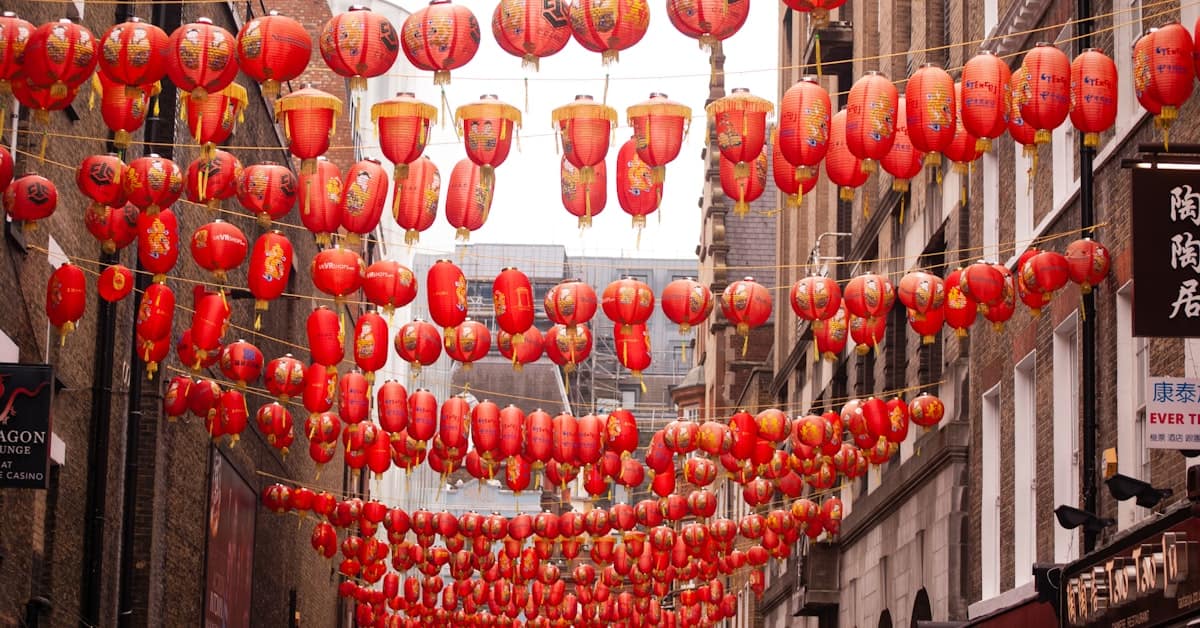
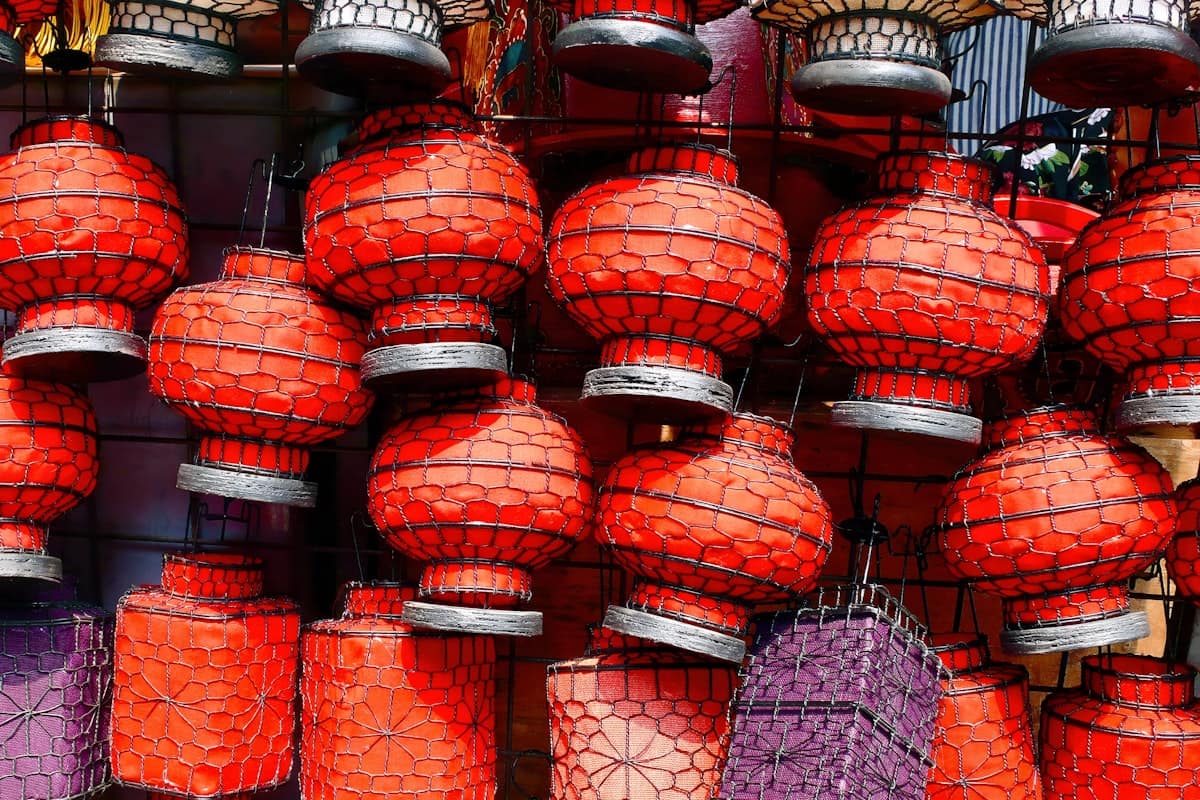
- The atmosphere in any city is worth experiencing. Red lanterns go up on every street. Temporary markets appear. Offices close progressively. There is a collective, visible anticipation that is unlike anything in the Western calendar
- Some small businesses close early. Family-run restaurants may close a week or more before the holiday. International hotels and chains stay open
If you want to experience Spring Festival itself
Plan to be in a city on February 6 (Chinese New Year’s Eve). The best places to experience the holiday: Beijing’s temple fairs (detailed in the February guide, coming soon), Shanghai’s lantern displays, or any small city where the traditional celebrations are less touristy. Guangzhou’s flower markets in the pre-holiday week are one of the most distinctive Spring Festival experiences in China.
The full visa-free entry situation for 2027 travelers is covered in the China visa guide – the November 2026 policy update determines who needs what for 2027 travel.
Where to Go in January: 5 Routes That Work
Route 1: Harbin Ice Festival at Peak (2-3 days)
The single best January route. The full festival experience – Ice and Snow World at complete scale, Sun Island snow sculptures, Zhaolin Park lanterns. Mid-January weekdays give you peak scale with manageable crowds. See the December guide for the full logistics breakdown (gear, sites, bookings) – the January differences are pricing and crowd density, everything else applies.
Route 2: Southern China Winter Escape (7-10 days)
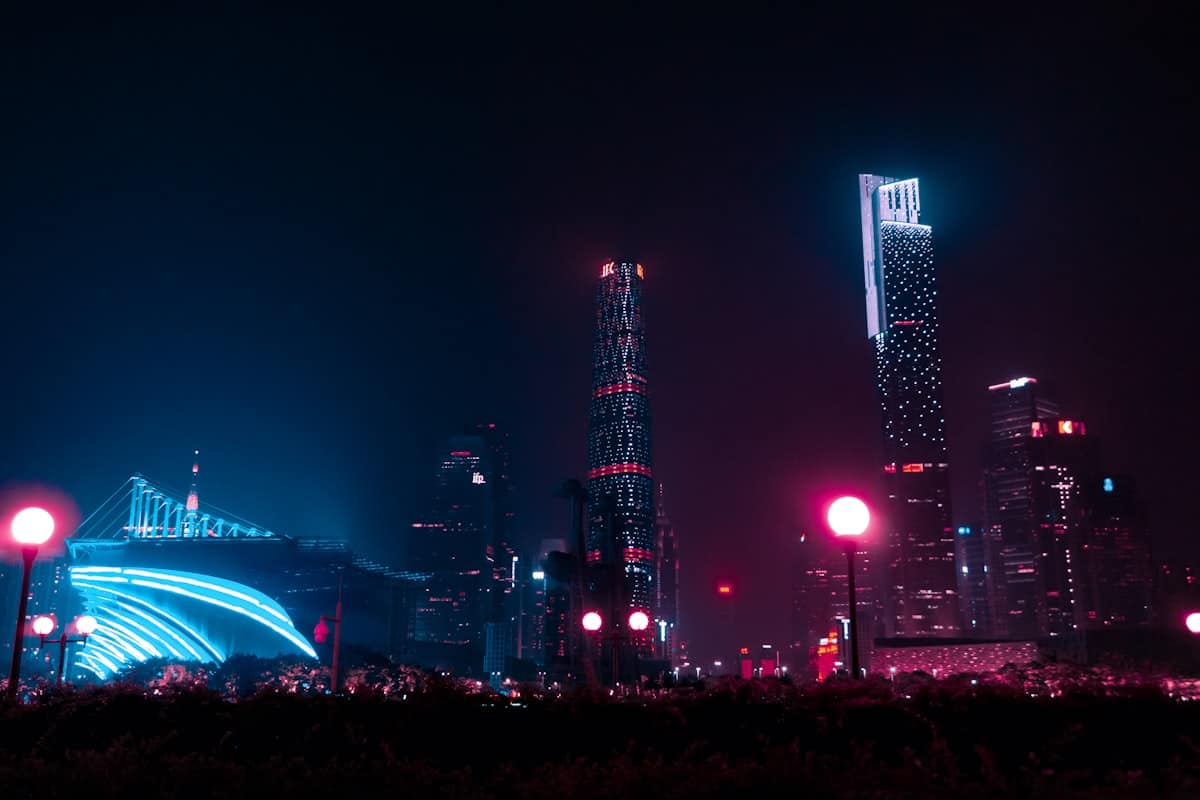
Guangzhou -> Shenzhen -> Xiamen -> optional Hainan. The reverse of what cold-avoiders expect: this is the warm-weather January route. Guangzhou at 10-20°C, the pre-Spring-Festival flower markets starting in late January, Xiamen’s coastal walks, and Hainan beaches at 18-26°C. Book Hainan 3-4 weeks ahead – it’s the domestic winter escape peak.
Route 3: Yunnan Winter Sun (10-12 days)
Kunming -> Dali -> Lijiang. The most comfortable outdoor sightseeing in China in January. Dry, clear, sunny, and cold only at night. The southwest seasonal guide covers the routing – winter is when Yunnan becomes the refuge for everyone fleeing the northern cold.
Route 4: Beijing Indoor + Spring Festival Prep (3-4 days)
For travelers who must do Beijing in January. The Forbidden City galleries, the National Museum, 798 Art District, and – if your timing lands in the last week – the pre-holiday market atmosphere. Watch the AQI daily and have indoor backups ready. The Beijing 7-day itinerary compresses to 3-4 days with this indoor focus.
Route 5: Chengdu Winter Comfort (4-5 days)
Pandas at their most active (cold weather), hotpot at its seasonal best, teahouses doing what teahouses were invented for, and the Taoist temples of Mount Qingcheng quiet enough to feel like a private visit. Chengdu in January is China’s most livable cold-weather city.
What to Pack for January
January is the most gear-intensive month of the year – the December packing logic in the December guide applies, with these additions:
- For Harbin: Everything the December guide specifies, plus better gloves. January’s -28°C is 3 degrees colder than December’s -25°C, and at those temperatures, 3 degrees matters
- For Beijing: Serious N95 mask supply – January AQI is the worst of the year. Heavy moisturizer and lip balm. The indoor-outdoor temperature swing (22°C indoors, -5°C outdoors) is hard on skin
- For Shanghai: Warm layers that handle damp cold. Shanghai’s humidity makes its winters feel colder than the numbers suggest
- For Yunnan and the south: A down jacket for nights, a fleece for days. The diurnal range in Lijiang in January is 2-14°C – you’ll wear everything at some point in a single day
- Everywhere: Hand warmers, purchased locally. They’re cheap in China and universally available
Budget Reality: January Is the Cheapest Month Outside Harbin
January is the cheapest month to travel in China, with the single exception of Harbin during Ice Festival peak.
- Beijing hotels: 180-280 yuan/night for a 3-star (vs 400-600 in October, 800-1200 during Golden Week)
- Shanghai hotels: 250-350 yuan/night for a 3-star
- Harbin hotels: 600-1,200 yuan/night in January peak (vs 200-400 in December soft opening) – the one January exception
- Hainan hotels: 400-800 yuan/night – the other January exception. Hainan’s domestic winter peak makes it the most expensive beach destination in China from January through Chinese New Year
- Flights: Domestic 20-35% off summer peaks, except routes to Harbin and Sanya which spike
Realistic mid-range daily budget for January:
- Beijing: $40-70/day
- Shanghai: $50-80/day
- Harbin: $80-120/day (peak festival pricing)
- Yunnan: $30-50/day
- Guangzhou: $40-60/day
For a 2-week mid-range January trip (one Harbin week, one Yunnan week): roughly $1,300-$1,800 per person, excluding international flights. See the China budget travel guide for the broader math.
January vs February: The Real Trade-Off
January gives you the Ice Festival at peak and the pre-holiday atmosphere. February gives you Spring Festival itself and thawing temperatures. The trade-off:
- January weather: The coldest month, worst AQI in the north, best winter light on clear days
- February weather: Marginally warmer, marginally better AQI, and by late February the first signs of spring in the south
- January Ice Festival: Peak scale, peak crowds, peak pricing
- February Ice Festival: Full scale through mid-February, then gradual melt. Fewer crowds after the Spring Festival week
- January atmosphere: Pre-holiday anticipation, markets going up, lanterns appearing
- February atmosphere: Spring Festival itself (February 6, 2027) – the actual holiday, the temple fairs, the family gatherings, and the two weeks when much of the country is either celebrating or traveling
The honest verdict: January for the Ice Festival and budget travel. February for Spring Festival itself – if you can handle the chunyun logistics and don’t mind some closures. For most travelers, mid-January (the 12-23 window) is the sweet spot: peak festival, low crowds, and the cheapest prices outside the two exception destinations.
Practical Logistics for January Travel
Booking windows
- Harbin hotels: Book 3-4 weeks ahead for January. Mid-month weekdays are easier than weekends
- Train tickets: 15 days ahead at 9am Beijing time. For travel after January 23, chunyun ticketing starts – book the moment the window opens or fly
- Ice Festival tickets: Same-day through the official WeChat mini-program is usually fine, but book ahead for weekends
- Everything else: January is the easiest booking month of the year. Same-day availability is common for hotels outside Harbin and Hainan
What January is not good for
- Tibet. Fully closed. Winter access is not practical
- Outdoor sightseeing in Beijing on bad AQI days. January has the most bad-air days of the year. Have indoor backups planned for every Beijing day
- Long-distance hiking. Everything is closed, frozen, or daylight-limited
- Spontaneous travel in late January. The chunyun window makes flexibility expensive. If your trip extends past January 23, book everything early
China in January: Frequently Asked Questions
Q: Is January a good time to visit China?
Yes for the Harbin Ice Festival at peak, budget travel, and Spring Festival atmosphere – if you can handle the cold. Cheapest month outside Harbin. Catch: coldest month, worst AQI in the north, and late January starts chunyun before Chinese New Year (Feb 6, 2027).
Q: Best time for the Harbin Ice Festival?
Mid-January weekdays (Jan 12-23) – 100% scale after the Jan 5 official opening, lowest crowds of peak season. Budget alternative: December 20-31 soft opening at 70% scale / 30% crowds / 50% hotel rates.
Q: What is the weather like in January?
Coldest month everywhere. Harbin: -28 to -12°C. Beijing: -8 to 4°C, worst AQI of the year. Shanghai: 0-8°C damp. Yunnan: 2-14°C dry and clear. Hainan: 18-26°C beach weather. Tibet: closed.
Q: When is Chinese New Year 2027?
February 6. Holiday window Feb 6-12. Chunyun starts around January 23 – the largest annual human migration on earth. If your trip extends past Jan 23, book all transport far in advance.
Q: Where should I go in January?
Five routes: (1) Harbin Ice Festival 2-3 days. (2) Southern China 7-10 days at 10-26°C. (3) Yunnan Winter Sun 10-12 days. (4) Beijing Indoor + Spring Festival Prep 3-4 days. (5) Chengdu Winter Comfort 4-5 days.
Q: Is January the cheapest month?
Yes outside two exceptions: Harbin peak festival (600-1,200 yuan/night) and Hainan winter escape (400-800 yuan). Beijing: 180-280 yuan/night. 2-week mid-range trip: $1,300-$1,800 per person.
For the months before and after, the China in December guide covers the Ice Festival soft-opening strategy, and the February guide (coming soon) covers Spring Festival itself. For broader year-round context, the best time to visit China guide ranks January against the other 11 months.
Photos courtesy of Unsplash.