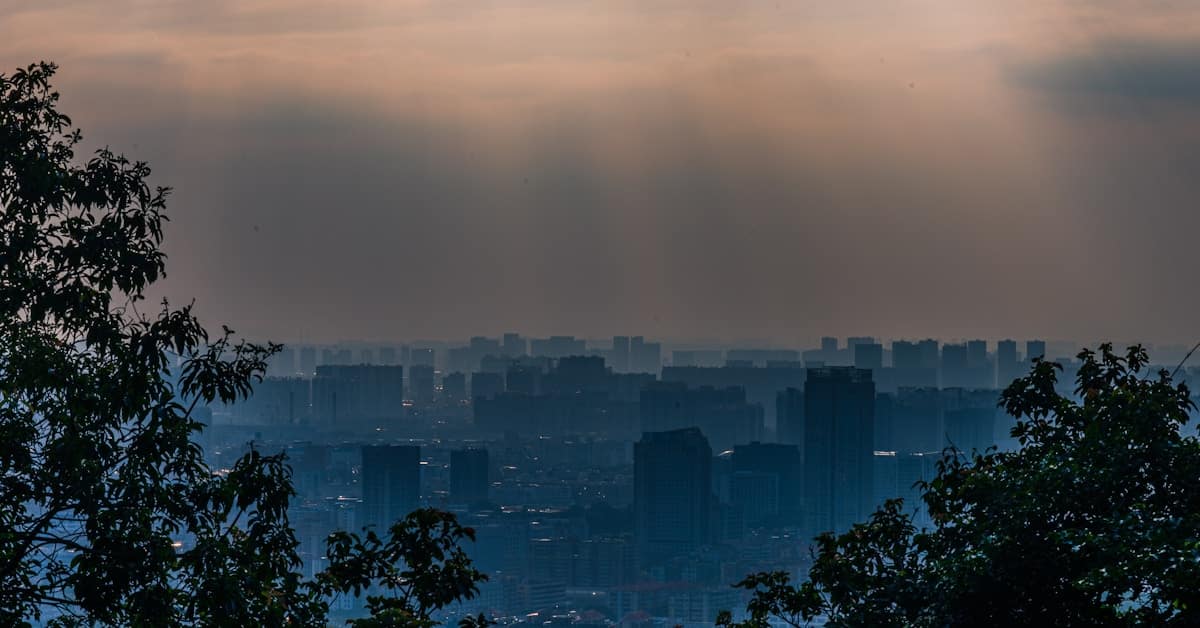
Most foreign visitors to Guangzhou are not coming for the culture – they are coming for business, the Canton Fair, or as a stopover en route to Hong Kong. That changes everything about how to plan the trip. You need fast metro routes, business-grade hotels in the right districts, day-trip options for an unexpected free day, and a clear sense of when the city is going to be unbookable.
This is the practical visitor’s guide for 2026 – neighborhoods, transit, where to actually stay, what day trips are worth doing, and the two months of the year when you should either book three months ahead or skip the city entirely.
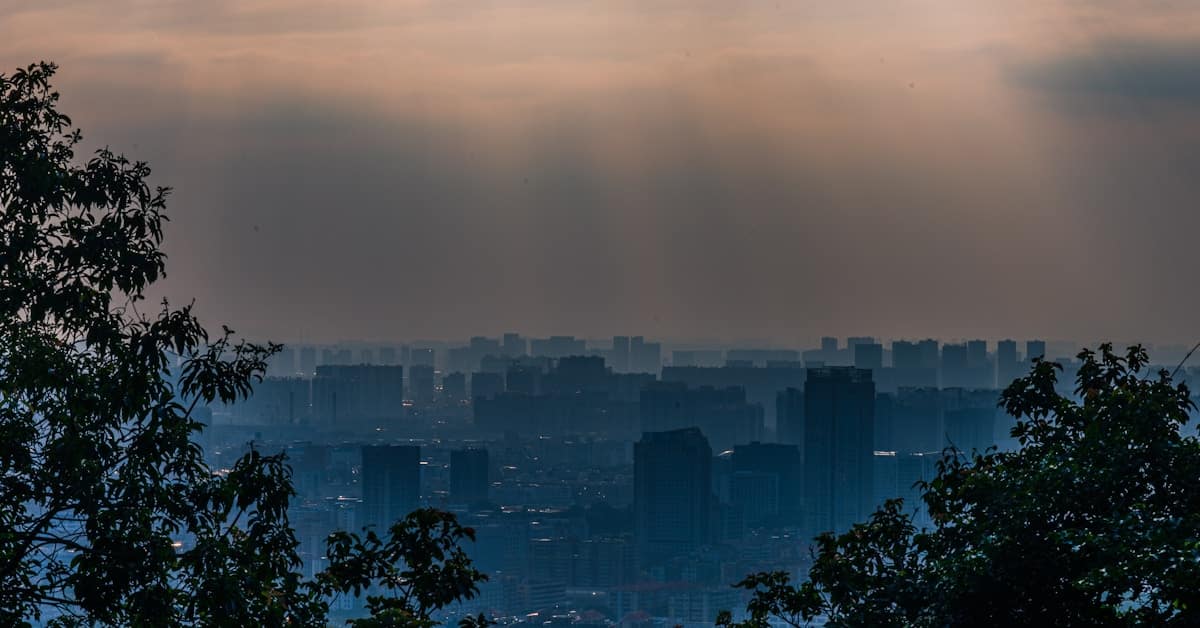
The Five Districts You Need to Know
Guangzhou is functionally five different cities stacked into one metropolis, and which one you stay in determines how the trip goes.
Zhujiang New Town (Tianhe District)
The modern financial center on the south bank of the Pearl River. Canton Tower, Guangzhou Opera House, the IFC and CTF Finance Centre. Most international-brand business hotels are here. Best for: Canton Fair attendees, business travelers, anyone wanting modern infrastructure and English-speaking staff. Downside: cultural sites are 20-30 minutes by metro.
Yuexiu District
The historical center – Yuexiu Park, Chen Clan Hall, Mausoleum of the Nanyue King, Sun Yat-sen Memorial Hall. Older mid-range hotels and boutique properties. Best for: cultural visitors, second-time travelers, anyone who wants to walk between sites instead of taking the metro everywhere.
Liwan District
The old Cantonese heart of the city – traditional dim sum teahouses, Shangxiajiu Pedestrian Street, Shamian Island. Mostly mid-range to budget hotels with a few boutique guesthouses on Shamian. Best for: food-focused trips, slower travel, anyone who wants Cantonese culture without the modern overlay.
Haizhu District
The Canton Fair Pazhou Complex sits here. Mostly business hotels built for trade fair attendees. Best for: Canton Fair only – outside the fair months, the district is quiet and a long way from anything else.
Baiyun District
The airport district, north of the city. Useful only if you have an early morning flight. Otherwise, base yourself in Tianhe or Yuexiu.
The Metro: Fast, Cheap, and Almost Always the Right Choice
Guangzhou’s metro has 18 lines and covers everywhere you would want to go. A single ride costs 2-12 yuan depending on distance (most rides are 4-6 yuan), and the system runs from 6am to 11:30pm. Trains every 2-4 minutes during peak hours.
The lines you will actually use
- Line 1 (yellow): Connects Liwan, Yuexiu, and Tianhe. The cultural and commercial spine. Use for the Chen Clan Hall, Gongyuanqian (city center), and Tianhe Sports Center.
- Line 2 (blue): Runs north-south, connecting Guangzhou South Railway Station to the city center. Critical if you arrive by high-speed train.
- Line 3 (orange): The north-south express used by airport travelers. Connects to Baiyun Airport via the APM extension.
- Line 8 (red): Crosses the Pearl River, connecting Tianhe to Canton Tower and the Haizhu side. Use for the Tower and the Opera House.
Paying for the metro
Three options. Use the Alipay or WeChat Pay metro QR code – link a foreign card and let it auto-charge per ride. This works on all Guangzhou metro lines as of 2025. Alternative: buy a Yang Cheng Tong card at any station for 30 yuan deposit, top up at machines (Mandarin and English interfaces). Single-ride tokens are available at machines but require cash or a Chinese bank card.
For the full breakdown of getting Alipay and WeChat Pay set up before you arrive in China, the Alipay and WeChat Pay guide for foreigners covers the setup process and the cards that work.
Where to Actually Stay (and What to Avoid)
Hotel choice in Guangzhou is more important than in most Chinese cities because the districts are so functionally different.
Business and high-end (700-1500 yuan/night)
The Mandarin Oriental, Four Seasons (in the IFC tower), Ritz-Carlton, and W Hotel are all in Zhujiang New Town. International staff, English customer service, and direct metro access. Book through their websites – the rates are often better than third-party sites for the top brands.
Mid-range (400-700 yuan/night)
The Atour Hotel near Beijing Road, Garden Hotel Guangzhou (older grande dame in Yuexiu), or any of the Hilton Garden Inn / Holiday Inn Express locations. Reliable, English-friendly, walkable to either historical or modern districts.
Budget (150-400 yuan/night)
The Hanting and All Seasons chains are clean and consistent. For Cantonese charm, the small boutique hotels on Shamian Island (Victory Hotel, White Swan adjacent) are 350-500 yuan and put you in the prettiest part of the city.
What to skip
Anything advertised as “near Guangzhou Railway Station” (the old downtown one, not South). The neighborhood is gritty, full of touts, and a long way from anything you actually want to do. Same warning for the Liuhua area unless you have a very specific reason to be there.
For the broader hotel-booking process in China – which booking sites work for foreign cards, how to handle check-in with a passport, what to expect from “5-star” ratings – see the China hotel guide for foreigners 2026.

Day Trips: Foshan, Shenzhen, and the Hong Kong Connection
Two strong day-trip options and one borderline-do-it.
Foshan (worth it)
30 minutes from Guangzhou South on the high-speed train, or 1 hour on metro Line 1 + Foshan metro. Foshan is the ancestral home of southern Chinese kung fu (Ip Man, Wong Fei Hung) and lion dancing. Visit the Ancestral Temple complex (Zumiao), eat the renowned Shunde-style Cantonese food, and visit the Lingnan Tiandi cultural district. Half-day is enough; full day if you also do the Liang’s Garden estate.
Shenzhen (worth it for one specific thing)
30 minutes from Guangzhou South on the high-speed rail to Shenzhen North, then metro into the city. Shenzhen is China’s tech capital – go specifically for Huaqiangbei, the world’s largest electronics market, where you can find anything from raw components to assembled prototypes. If you are not interested in electronics, skip it; Shenzhen otherwise looks like a newer Shanghai.
The Hong Kong border
The Guangzhou-Hong Kong high-speed train takes 50 minutes to Hong Kong West Kowloon and runs roughly every 30 minutes. Bring your passport with the correct visa or entry permit for Hong Kong – immigration is handled at West Kowloon (mainland China and Hong Kong checkpoints are co-located). For most Western passports, Hong Kong is visa-free for 30-180 days; the mainland China visa rules are separate. Check the China visa guide for the current rules on multiple-entry visas if you plan to cross back.
Canton Fair: The One Thing That Controls Pricing All Year
The Canton Fair (China Import and Export Fair) runs twice a year – mid-April to early May, and mid-October to early November. Each session lasts about three weeks across three phases. During Canton Fair months:
- Hotel rates triple or quadruple. A 500 yuan room becomes 1,500-2,000. Book three months in advance or stay outside the city.
- The metro and roads around Pazhou are gridlocked. Add 30-45 minutes to any cross-city trip.
- Restaurants in business districts have hour-long waits. Reserve everywhere you actually want to eat.
The flip side: if you are not attending the fair, October and April outside of fair weeks are some of the best months for weather in Guangzhou (low 20s C, low humidity). Aim for early April or late October – the weeks just outside the fair dates.
Getting To and From the Airport
Baiyun International Airport (CAN) is 28 km north of the city center. Three options to get into the city:
- Metro Line 3 (north extension). 30 yuan, 50 minutes to Tianhe, 60 minutes to Yuexiu. Runs from 6am to 11pm. The cheapest and most predictable option.
- Airport shuttle bus. Multiple routes (Line 1 to Garden Hotel, Line 6A to Guangzhou Railway Station, etc.). 22-32 yuan, 60-90 minutes depending on traffic.
- Taxi or DiDi. 130-180 yuan to Tianhe, 30-45 minutes off-peak, 60-90 minutes in rush hour. DiDi works in English with foreign cards linked since 2023.
If you are arriving on a long-haul flight at midnight, take a taxi – the metro will have stopped. Otherwise, the metro is almost always the right answer.
If you are arriving by train rather than air, Guangzhou South is the main high-speed terminal and Guangzhou Railway is the older conventional station. Trip.com handles foreign card bookings; the full process is in the China high-speed train guide.
How Many Days to Spend
For a first-time visitor doing the practical sights: two full days.
- Day 1: Dim sum breakfast in Liwan, Shamian Island morning walk, Chen Clan Ancestral Hall, Pearl River area in the late afternoon, Canton Tower at sunset.
- Day 2: Mausoleum of the Nanyue King in the morning, Beijing Road for shopping, Yuexiu Park, dinner at a Cantonese roast meats restaurant.
- Day 3 (optional): Foshan day trip for kung fu heritage and Shunde food, or Shenzhen for electronics and tech.
If you are here for the Canton Fair, plan two extra days before or after the fair for the cultural circuit – it is one of the few times an extra day genuinely pays off because hotel rates won’t change for the extension period.
The Practical Mistakes to Avoid
| What goes wrong | What to do instead |
|---|---|
| Booking a hotel “near Guangzhou Railway Station” thinking it is convenient | Stay in Tianhe (modern) or Yuexiu (cultural). The old railway station area is gritty and far from anything you actually want to do |
| Trying to get a taxi from the airport during Canton Fair without booking | Pre-book a DiDi from the app, or take metro Line 3 – waiting for a street taxi during fair weeks can mean an hour standing in queue |
| Showing up at a dim sum restaurant at 11am and expecting to walk in | Be at the door by 9am, or 10am latest. The famous teahouses fill up and queues hit 45-60 minutes by 11am on weekends |
| Assuming Cantonese speakers will switch to Mandarin | Older waitresses and shopkeepers in Liwan and Yuexiu often do not. Use a translation app set to Cantonese, or point |
| Booking the Hong Kong train day-of and finding it sold out | Book 7-10 days ahead through Trip.com – this route is popular and the cheaper class fills up quickly |
| Trying to do Foshan AND Shenzhen as a single day trip | Pick one. Each is half a day each way, and combining them turns the day into a transit marathon |

The Cultural Side: When You Are Ready to Dig Deeper
This guide covers the practical visit. If you want to understand why Guangzhou is culturally distinct from the rest of China – the Cantonese identity, the dim sum origin story, the 2,200-year role as China’s southern capital – the Guangzhou cultural and historical guide covers that angle, including the sites and teahouses that anchor the cultural circuit.
One practical note for arrival day: if you fly in for the Canton Fair, the airport’s foreign-passport immigration lanes can take 60-90 minutes during peak fair weeks. Build that into your transit plan. Outside of fair months, immigration is usually 15-20 minutes.
Photos courtesy of Unsplash.
Guangzhou Travel: Frequently Asked Questions
Q: Where should I stay in Guangzhou as a tourist?
Tianhe (天河) for first-time visitors — modern, business-friendly, near subway lines 1, 3, and 5. Yuexiu (越秀) for old Guangzhou character and walkability. Avoid Baiyun and Huadu unless you have a specific reason — they are too far from main attractions.
Q: How many days should I spend in Guangzhou?
2-3 days is the sweet spot. Day 1: Shamian Island, Pearl River, Yuexiu Park. Day 2: Canton Tower, Tianhe modern Guangzhou, dim sum tour. Day 3 (optional): day trip to Foshan or Kaiping diaolou. Stay longer only if you are doing Canton Fair or have specific business reasons.
Q: Is Guangzhou worth visiting compared to Beijing or Shanghai?
Yes, but for different reasons. Guangzhou is China’s undisputed food capital — the dim sum, Cantonese cuisine, and street food are at a level Beijing and Shanghai cannot match. Architecture and history are weaker than the northern cities, but the food scene alone justifies 2-3 days.
Q: When should I avoid Guangzhou?
Mid-April to late April and mid-October to early November during Canton Fair (the world’s largest trade fair). Hotel prices triple, restaurants are full of business travelers, and English service slows down because everyone is occupied with trade buyers. Outside these windows, Guangzhou is comfortable year-round.
Q: How do I get from Guangzhou to Hong Kong?
Take the high-speed train from Guangzhou South to Hong Kong West Kowloon — 47 minutes, 215-323 yuan. Faster than any flight option once airport time is factored in. The same passport that got you into China clears mainland exit and Hong Kong entry at the West Kowloon station.
Q: Is Guangzhou safe for tourists?
Very. Guangzhou has one of the lowest reported crime rates among major Chinese cities. The main practical risks are pickpockets in the busiest dim sum districts (Liwan) and aggressive taxi solicitation outside Guangzhou South Station. DiDi works well.