Most first-time visitors to Shanghai spend their first evening elbowing through crowds on the Bund, then wonder why the city feels like a postcard rather than a place. The problem isn’t Shanghai — it’s the itinerary. This is a city of 26 million people spread across 16 districts, and the landmarks that dominate guidebooks are often the least interesting parts of it.
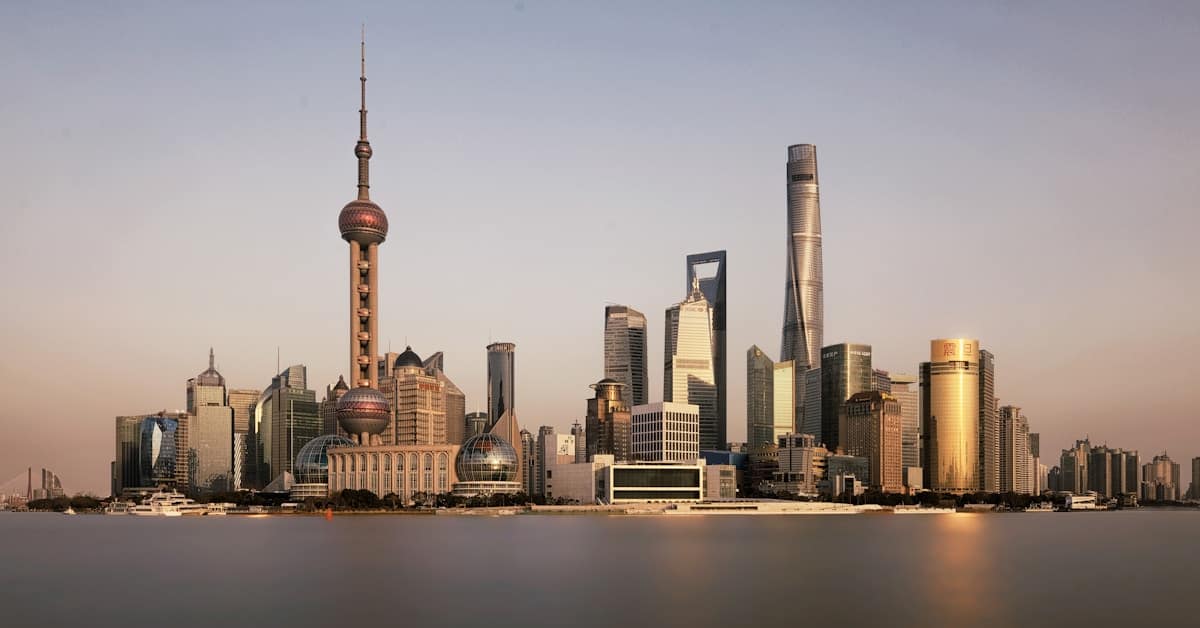
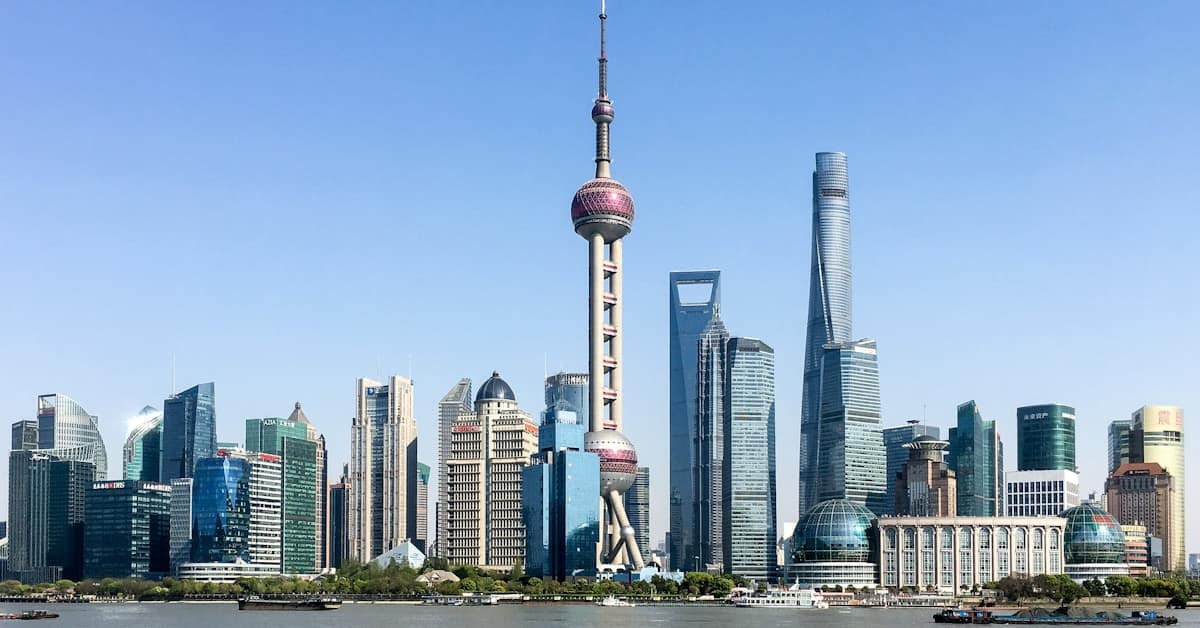
The Bund Looks Better from Across the River (and Other Overrated Sights)
The Bund is not a bad place. The row of 1920s banks and trading houses facing the glass towers of Pudong is genuinely striking, especially at night when the Oriental Pearl Tower lights up in pink and purple. But the experience of being there is mostly fighting through selfie sticks and tour-group flags. In my experience, the Bund is best treated as a 20-minute walk at 6:30am, when the promenade is empty and the river reflects the dawn light. After 9am, it becomes a traffic problem with a view.
Similarly, the observation deck of the Oriental Pearl Tower charges 199 yuan for a view that is only marginally better than what you get from the rooftop bar at the Hyatt on the Bund — where a coffee costs 45 yuan and you don’t have to queue for an hour. The honest answer is that Pudong’s skyscrapers are more impressive to look at than to look from.
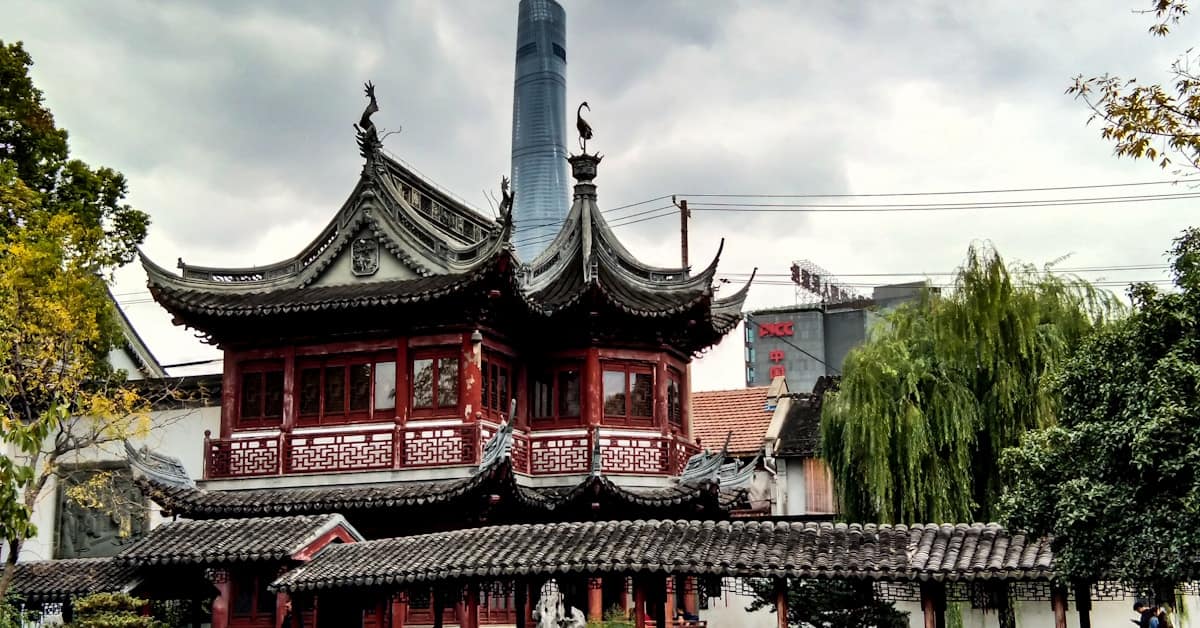
Yuyuan Garden is worth seeing for the Ming-era rockeries and the zigzag bridge designed to confuse evil spirits, but the surrounding bazaar is a maze of overpriced trinket stalls and aggressive souvenir sellers. Give the garden 45 minutes, then escape through the side gate onto Fangbang Road.
Neighborhoods That Actually Deserve Your Time
The French Concession
This is where you should base yourself. The French Concession — roughly bounded by Huaihai Road, Fuxing Road, and the former boundary of the International Settlement — is the most walkable part of central Shanghai. Plane trees line the streets, the low-rise architecture mixes Art Deco villas with lane-house compounds, and you can cover a lot of ground on foot without needing a taxi.
The best stretch is between Yongkang Road and Wukang Road. Yongkang has converted into a street of small restaurants and wine bars, while Wukang Road is quieter and better for architecture spotting. The former residence of Soong Ching-ling at 1843 Huaihai Road is open to visitors and gives you a sense of how Shanghai’s elite lived in the 1930s. Entry is 20 yuan.
That said, the French Concession has gentrified heavily since 2015. Some of the lane houses have been gutted and converted into Instagram-friendly coffee shops with 35-yuan lattes. The character is still there, but you need to walk past the main thoroughfares to find it.
Jing’an and the Former International Settlement
Jing’an is the practical center of the city. Jing’an Temple sits at the intersection of Nanjing Road and Huashan Road, and the area around it is where you’ll find the best metro connections, decent mid-range hotels, and actual supermarkets where locals shop. The temple itself is a reconstruction — the original was demolished in the Cultural Revolution — but the current building, finished in 2010, is striking in a deliberately over-the-top way. Entry is 50 yuan.
Nanjing Road, the pedestrian shopping street that runs east from People’s Square, is not worth more than a quick crossing. It is the Chinese equivalent of Times Square: bright, loud, and full of people selling the same snacks you can get anywhere else. Use it as a reference point, not a destination.
Old Town and the Real Markets
South of Yuyuan Garden, the Old Town hasn’t been fully sanitized yet. Streets like Dajing Road and Guangqi Road still function as working neighborhoods with hardware stores, wet markets, and small restaurants that haven’t updated their menus in decades. This is where you find the 12-yuan noodle bowls and the repair shops fixing shoes on the sidewalk.
The risk here is that Old Town is being demolished block by block for high-rise development. What exists in 2026 may not exist in 2028. If you want to see working-class Shanghai before it disappears, prioritize this area over another trip to the Bund.
Getting Around: Metro First, Taxis Second, Never Rent a Car
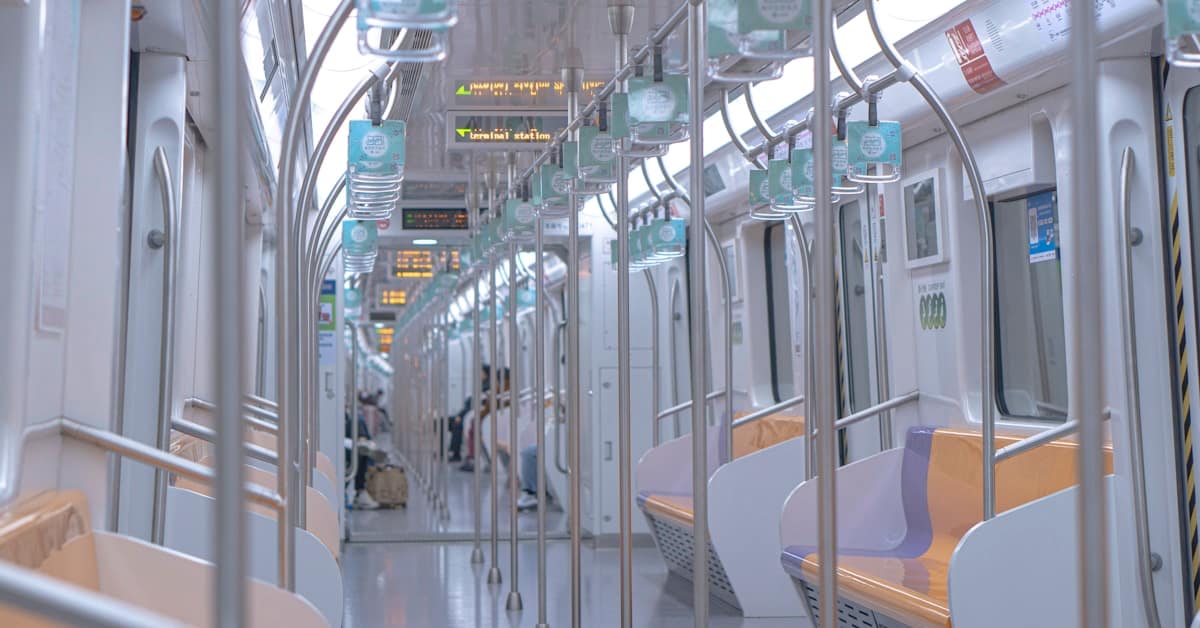
The Shanghai Metro is the largest in the world by route length, and it is your default for getting anywhere. Line 2 runs east-west connecting Pudong Airport, Lujiazui, People’s Square, Jing’an Temple, and Hongqiao Airport — which means it covers 80% of what a first-time visitor needs. Fares are distance-based, usually 3–7 yuan per ride. You can pay with Alipay or WeChat Pay at the gate; single-use tickets are available but unnecessary if you have either app set up.
I’ve seen this go wrong when travelers try to take the metro during weekday rush hour. The crush at People’s Square or Xujiahui at 8:30am is not an experience; it is a physics problem. If you must travel during peak times, stick to Line 2 and avoid transferring at People’s Square, which is the system’s busiest interchange.
Taxis are plentiful and cheap by Western standards — a 20-minute ride across central Shanghai usually runs 30–50 yuan. The challenge is hailing one during rain or shift changes (around 4–5pm). DiDi, the Chinese equivalent of Uber, works in English with a foreign credit card as of early 2025, but you’ll need a Chinese phone number to register. Most hotels can book a taxi for you if language is a barrier.
Never rent a car. Shanghai’s traffic is dense, parking is expensive, and you need a Chinese license. This is not a city for self-driving.
What to Eat (and Where the Tourist Guides Send You Wrong)
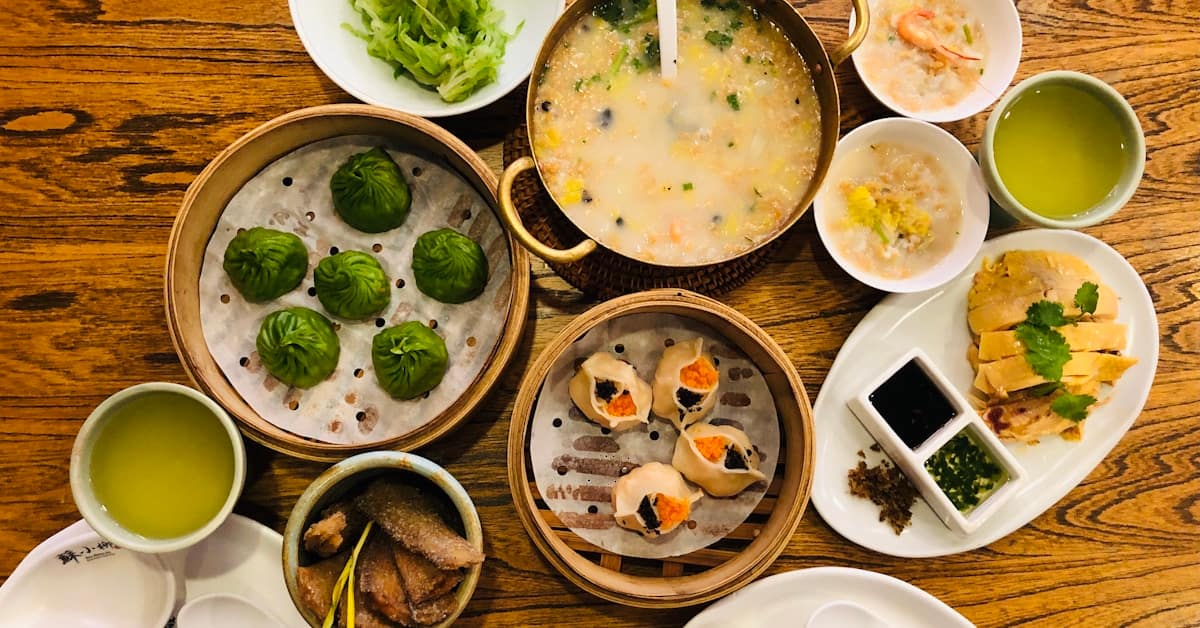
Xiao Long Bao
Soup dumplings are the dish everyone associates with Shanghai, and the city has thousands of places serving them. The famous names — Din Tai Fung, Jia Jia Tang Bao — are technically excellent but come with 45-minute queues and prices pushed up by foreign food blogs. A better strategy is to look for places with a visible kitchen where dumplings are folded by hand and steamed to order. A basket of 8 should cost 18–30 yuan. If it’s over 50 yuan, you’re paying for the address.
Breakfast Streets
Shanghai’s real food culture is breakfast. The city still has morning markets and street vendors selling ci fan gao (fried rice cakes), you tiao (fried dough sticks), and dou jiang (soy milk) for under 10 yuan total. The best concentration is on Yunnan Road near People’s Square, where several stalls open before 7am and close by 10am. Go early. By 9am, the good stuff is gone.
Local Restaurants vs. Fine Dining
Shanghai has 42 Michelin-starred restaurants, but the most characteristic meals happen in small, brightly lit restaurants with plastic stools and handwritten menus. Look for places serving hong shao rou (red-braised pork), ci li ji (sliced fish in wine sauce), and cong you bing (scallion pancakes). A full meal for two at a neighborhood restaurant rarely exceeds 120 yuan.
What to Book Before You Arrive (and What to Leave Open)
Shanghai does not require the advance booking that Beijing does. The Forbidden City sells out days ahead; Shanghai’s museums and gardens rarely do. That said, a few things are worth sorting out early:
-
- Hotels in the French Concession: The best small hotels and guesthouses in this area have limited rooms and fill up on weekends. Book at least two weeks ahead if you want a specific address.
-
- Long-distance train tickets: If you’re continuing to Hangzhou, Suzhou, or Beijing by high-speed rail, book on Trip.com 15 days in advance. Same-day tickets are often available but not guaranteed on Friday afternoons or before holidays.
-
- Mobile payment: Set up Alipay and WeChat Pay before you land. Both accept foreign credit cards as of early 2025, and most street vendors and small restaurants do not take cash or foreign cards.
Leave your restaurant choices, shopping, and neighborhood wandering unplanned. Shanghai rewards improvisation more than Beijing does. The lane that looks unpromising from the main road often hides a 30-year-old restaurant or a working teahouse.
Day Trips Worth Leaving the City For
Shanghai is a good base for side trips, but not all of them are worth the time. The water towns — Zhujiajiao, Wuzhen, Tongli — are heavily reconstructed and feel more like film sets than living places. If you’ve seen one stone bridge and red lantern display, you’ve seen them all.
The better options are Suzhou and Hangzhou. Suzhou is 25 minutes by high-speed train and has classical gardens that predate anything in Shanghai by centuries. The Humble Administrator’s Garden and the Lingering Garden are genuinely worth the trip, and the old canal streets around Pingjiang Road still have local residents rather than just souvenir shops. You can cover the highlights in a long day, though an overnight stay gives you the canals in the early morning without tour groups. See our full day trip to Suzhou guide for the logistics.
Hangzhou is 45 minutes by high-speed train and offers West Lake, tea plantations, and a slower pace than Shanghai. It’s a good choice if you need greenery after several days of concrete. The bullet trains run every 20 minutes during peak hours, and second-class tickets cost 73 yuan each way.
Both Suzhou and Hangzhou are covered by China’s high-speed rail network, which is the most reliable way to travel between cities. Book through Trip.com; the English interface handles foreign cards without issues.
What Most People Get Wrong (and What Works Instead)
| What wastes your time | What actually works |
|---|---|
| Trying to see the Bund at sunset on a Saturday | Go at 6:30am. Same view, zero crowds, and the light is better for photography. |
| Queuing 45 minutes for a name-brand dumpling restaurant | Walk two blocks in any direction and find a local shop with hand-folded dumplings at half the price. |
| Taking a taxi across the city at 5pm | Use the metro until 7pm, then switch to taxis or DiDi when traffic eases. |
| Booking every meal through English-language food apps | Wander the lanes south of Yuyuan or along Yunnan Road at breakfast. The best finds aren’t listed online. |
| Staying in Pudong to be close to the modern stuff | Base yourself in the French Concession or Jing’an. Pudong is a business district; it empties at night and the dining options are limited. |
One last thing: download an offline map before you leave your hotel each morning. Google Maps works in Shanghai with a VPN, but VPN connections drop, especially on the metro. Maps.me covers Shanghai’s lane networks in detail, and it works without a data connection. An offline map will save you more time than any other single tool in this guide.