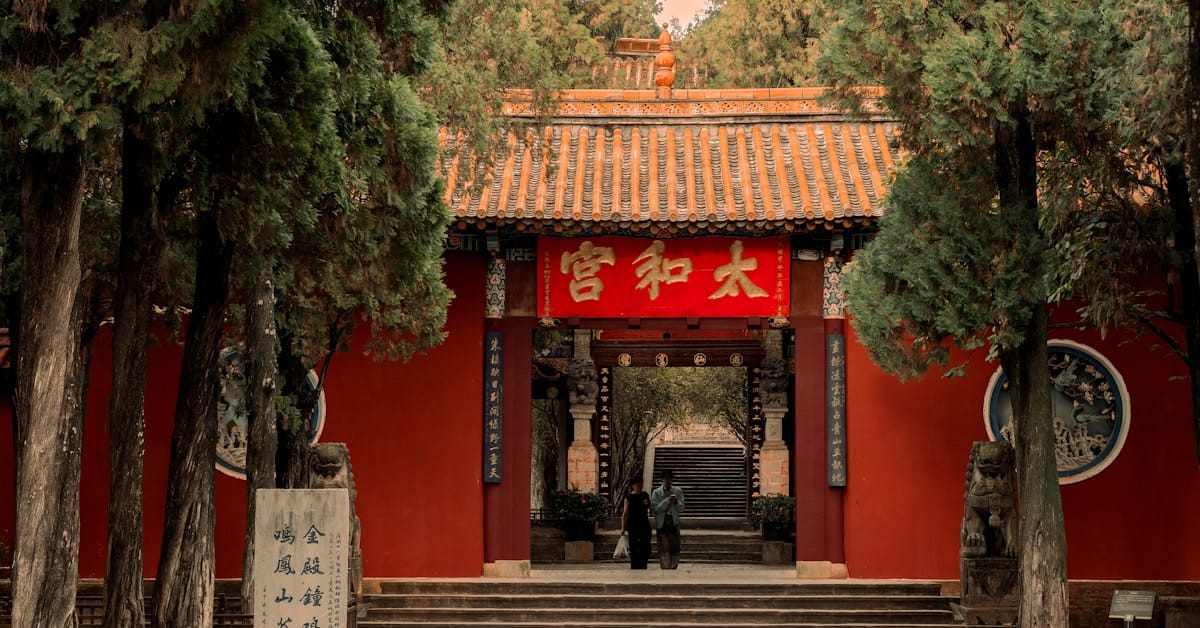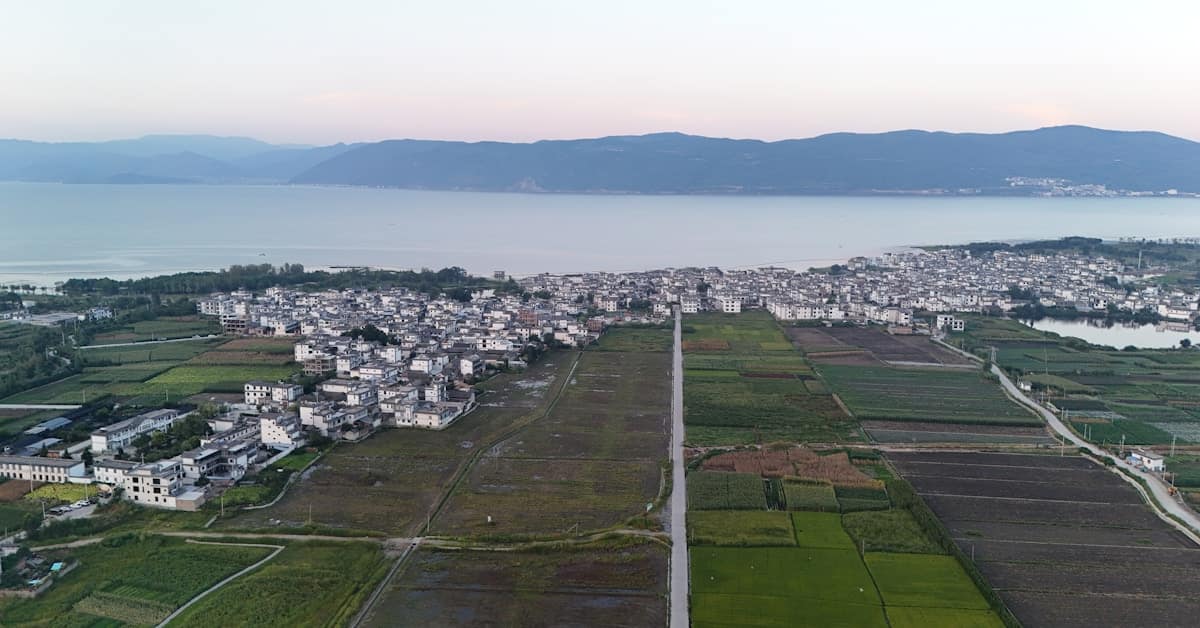
Dali is what Kunming wants to be when it grows up — smaller, more walkable, and with a lake that actually justifies the hype. Most travelers pass through on the Kunming–Lijiang route, spend one night, and leave. That is a mistake. Dali rewards anyone who slows down for two or three days: the old town at dawn before the tour groups arrive, a bike ride around Erhai Lake that takes a full afternoon, and a tea house on the hillside where nobody checks their phone. Here is how to actually use those days.
Erhai Lake: The Reason You Came
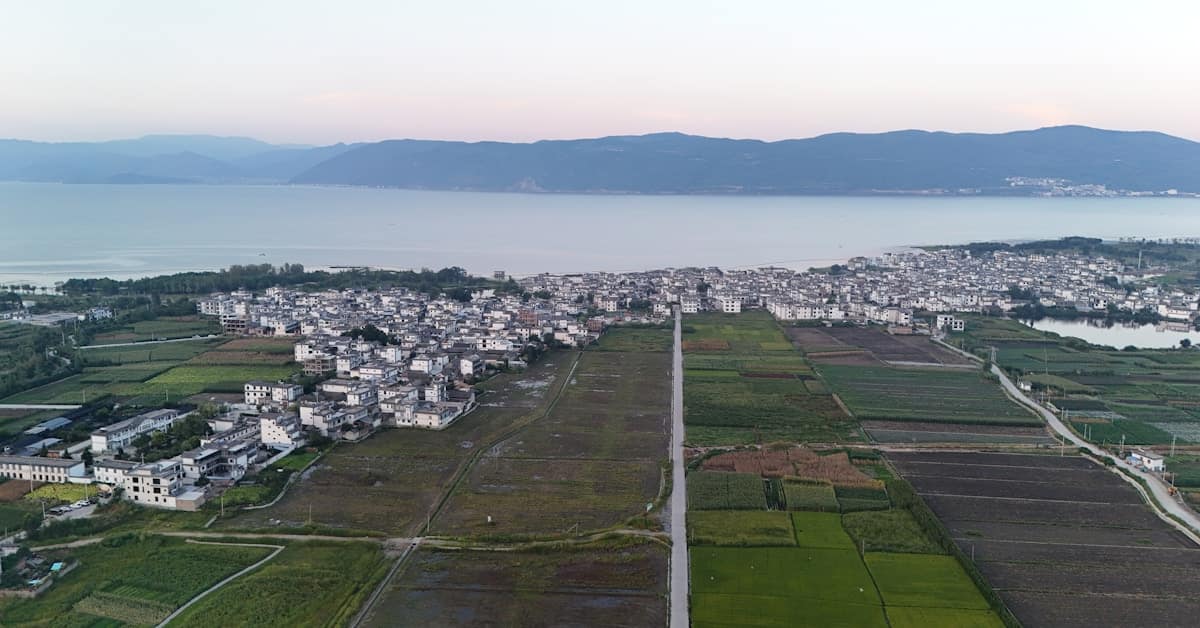
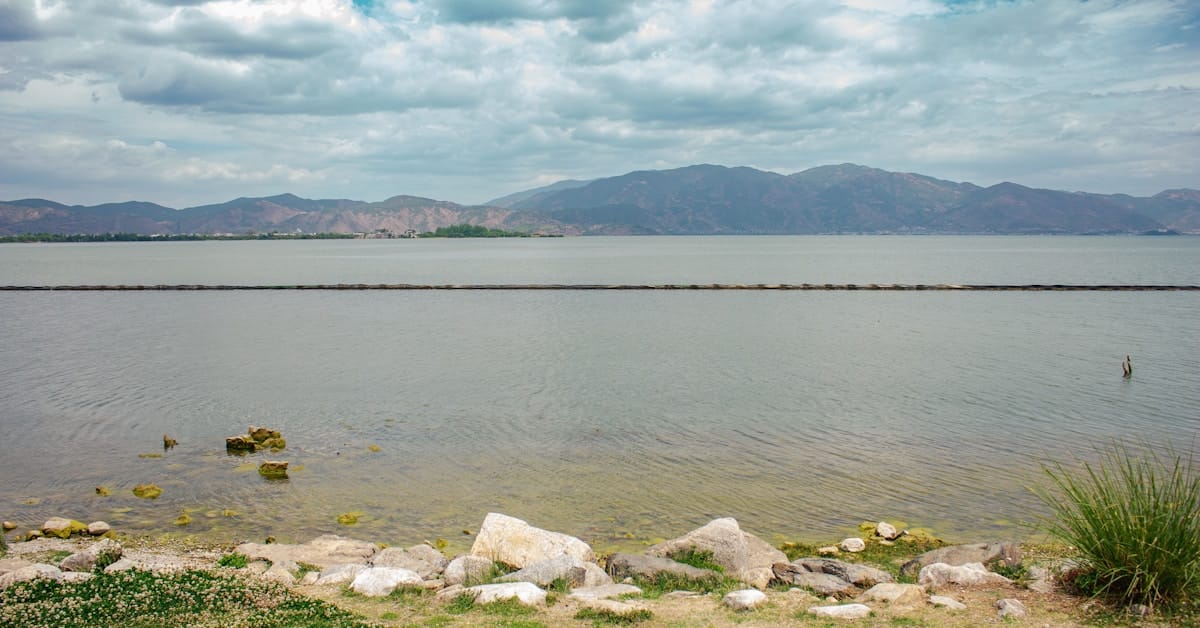
Erhai Lake is 250 square kilometers of water wedged between the Cangshan mountains and Dali Old Town. It is the geographic center of everything you will do here. The lake supports a 130km ring road that you can bike, drive, or scooter around in a day, though most people do the southern half (about 40km) and call it done.
The Bike Loop: What to Expect
Electric bikes rent for 60–80 yuan per day from shops along Renmin Road in the old town. You do not need a license. The battery lasts 50–70km on a charge — enough for the southern loop. Start before 9am to beat the heat and the domestic tour groups on rented e-bikes.
The south route passes through Xizhou Village (Bai minority architecture, worth a 30-minute stop) and ends at the Caicun peninsula viewpoint. The road is flat, paved, and has a dedicated bike lane for most of the way. Stop at any village along the shore for lunch — grilled fish from the lake, 30–50 yuan per person.
Do not try the full 130km loop on an electric bike. The battery will die on the north side, where there are fewer charging stations and the road climbs. If you want the full loop, rent a car or take a bus to Shuanglang on the east side and explore from there.
Dali Old Town: Go Early, Leave by Noon
Dali Old Town is a grid of cobblestone streets inside a medieval wall, and it follows the same pattern as every restored old town in China: charming at 7am, crowded by 11am, and unrecognizable by 3pm. The difference is that Dali actually has things worth seeing beyond the souvenir shops.
What to Actually Do in the Old Town
- Walk the city wall at sunrise. The wall runs about 6km around the perimeter. The eastern section faces the lake and is empty before 8am. Entrance is free before 8:30am; after that, you pay 30 yuan at the South Gate.
- Renmin Road for breakfast. The street food vendors set up by 6:30am. Erkuai (rice cakes grilled on a flat iron), 5 yuan. Soy milk, 2 yuan. By 9am the street food gives way to jewelry shops and the whole thing loses its appeal.
- Catholic Church on Renmin Road. Built in 1927 by French missionaries in a Chinese architectural style. It is a 10-minute visit and nobody else is there because it looks like a temple from the outside.
The Three Pagodas and Cangshan Mountain
The Three Pagodas are Dali’s postcard image — three tapering brick towers at the foot of Cangshan, the tallest built in the 9th century. The site costs 75 yuan and takes about 90 minutes if you walk briskly. Honestly, the best view of the pagodas is not from inside the park — it is from the reflecting pool across the street, which is free.

Cangshan Cable Car and Hiking
The Cangshan range rises 2,000m above the lake. The cable car (Zhonghe Temple line, 90 yuan round trip) takes you to 3,900m, where a 6km boardwalk trail runs along the ridge. The air is cool at that altitude — 12–18°C even in July — and the views down to the lake are unobstructed. The boardwalk is well-maintained and takes about 2 hours one way. Bring a jacket; the wind on the ridge is persistent.
There is also a second cable car (Gantong Temple line) further south, which accesses a different section of the ridge. Either works; the Zhonghe line is more popular and has better infrastructure.
Xizhou Village and Bai Culture
Xizhou is 18km north of Dali on the Erhai lake road. It is a Bai minority village with traditional courtyard houses, a morning market that starts at 6am, and none of the tourist infrastructure that makes Dali Old Town feel like a theme park after noon.
The Xizhou morning market runs until about 9am and sells everything from fresh tofu to live poultry. The Bai tie-dye workshops in the village center let you watch the entire process — tying, indigo dyeing, and rinsing — for free. A small tie-dye scarf costs 30–50 yuan and is about the only souvenir worth buying in the Dali area.
Getting to Xizhou: take bus C2 from Dali Old Town (8 yuan, 30 minutes). It runs every 20 minutes until 6pm.
Where to Stay: Old Town vs. Erhai Shore
Two distinct options, and the right one depends on what you want from Dali:
- Old Town (inside the wall): Walkable to everything, but noisy at night. Guesthouses run 100–250 yuan for a basic room. Pick one on a side street, not on Renmen Road or Fuxing Road.
- Erhai shore (Caicun/Shuanglang): Quieter, lake views from the room, but you need an e-bike or taxi to reach the old town (15 minutes, 15 yuan by DiDi). Guesthouses with lake views run 200–500 yuan. Shuanglang has the best sunset views but is 45 minutes from the old town.
Getting to Dali and Moving On
Dali has a high-speed rail station (Dali Station) with direct connections to Kunming (2 hours, 145 yuan) and Lijiang (1.5 hours, 80 yuan). The high-speed train network makes Dali an easy add-on to any Yunnan itinerary.
From the station to the old town: taxi 40 yuan, or bus 8 yuan (30 minutes). Do not let drivers talk you into a “scenic route” — it is a straight shot down Cangshan Road.
How Long to Stay
Two nights minimum. One night gives you an afternoon and a morning, which is not enough for both the lake loop and Cangshan. Three nights is the sweet spot — day one for the old town and lake bike ride, day two for Cangshan and Xizhou, day three for a slow morning before the train to Lijiang or back to Kunming.
The travelers who enjoy Dali most are the ones who cancel their onward plans and stay an extra day. I have seen this happen enough times that it is worth mentioning: book your first two nights, and do not prepay for the third until you know how you feel about the place. Most guesthouses accept walk-ins, especially outside Chinese holidays.